
CNC Machining Blog For
Engineers & Product Teams
Real-world guidance on cost, tolerance, materials, and DFM—written to help North American buyers move from “research” to “RFQ-ready” with fewer surprises.
Engineer-to-engineer DFM
Get design feedback that prevents rework, not generic suggestions.
Inspection-first Mindset
Define critical features early so tolerance risk doesn’t hit late.
Built For Buyer Intent
Filters + starter paths help you find the right answer fast.
High-impact entry points
All Articles
- Designed to capture the top intent patterns: cost, tolerance, and DFM.

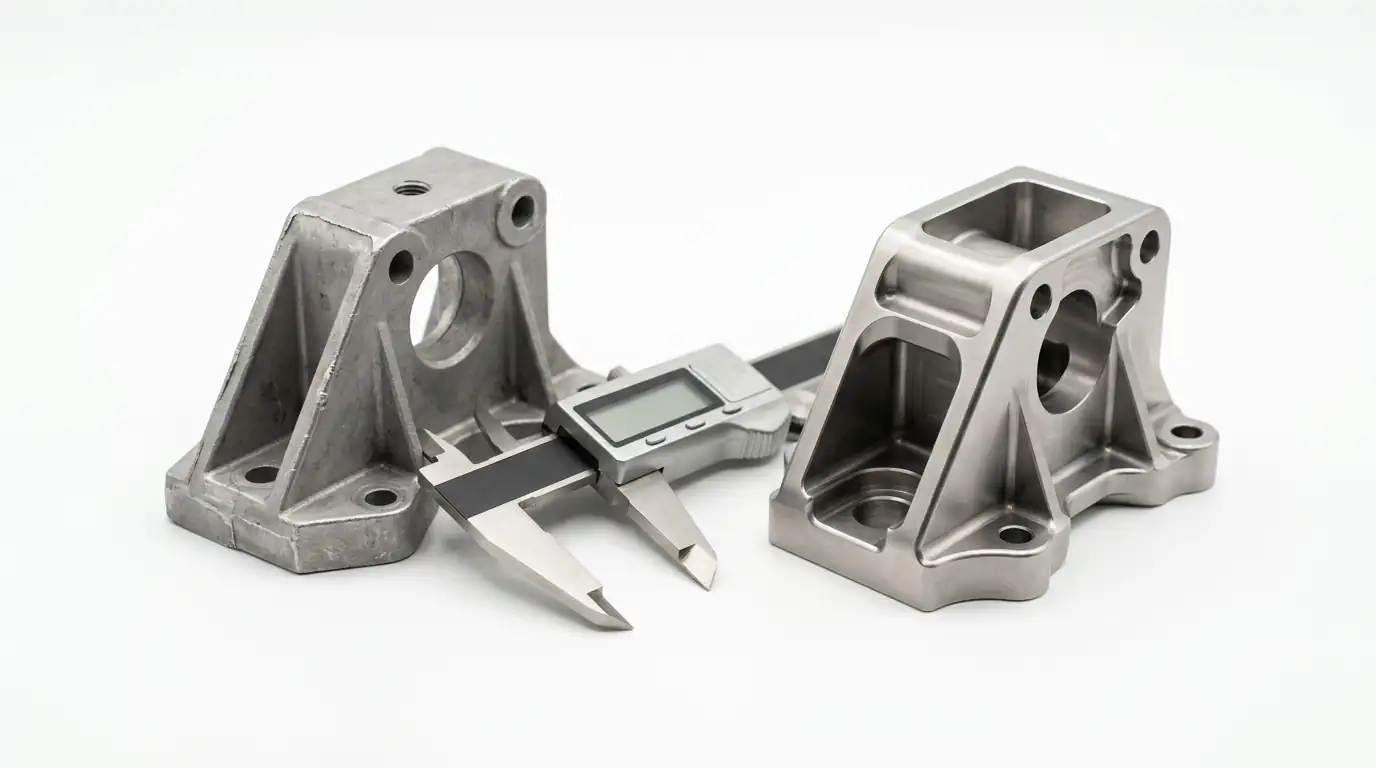
Why is CNC Machining Important in Manufacture?
Compared with conventional machining, CNC machining is always a better option in many ways, that’s because it has bigger benefits.
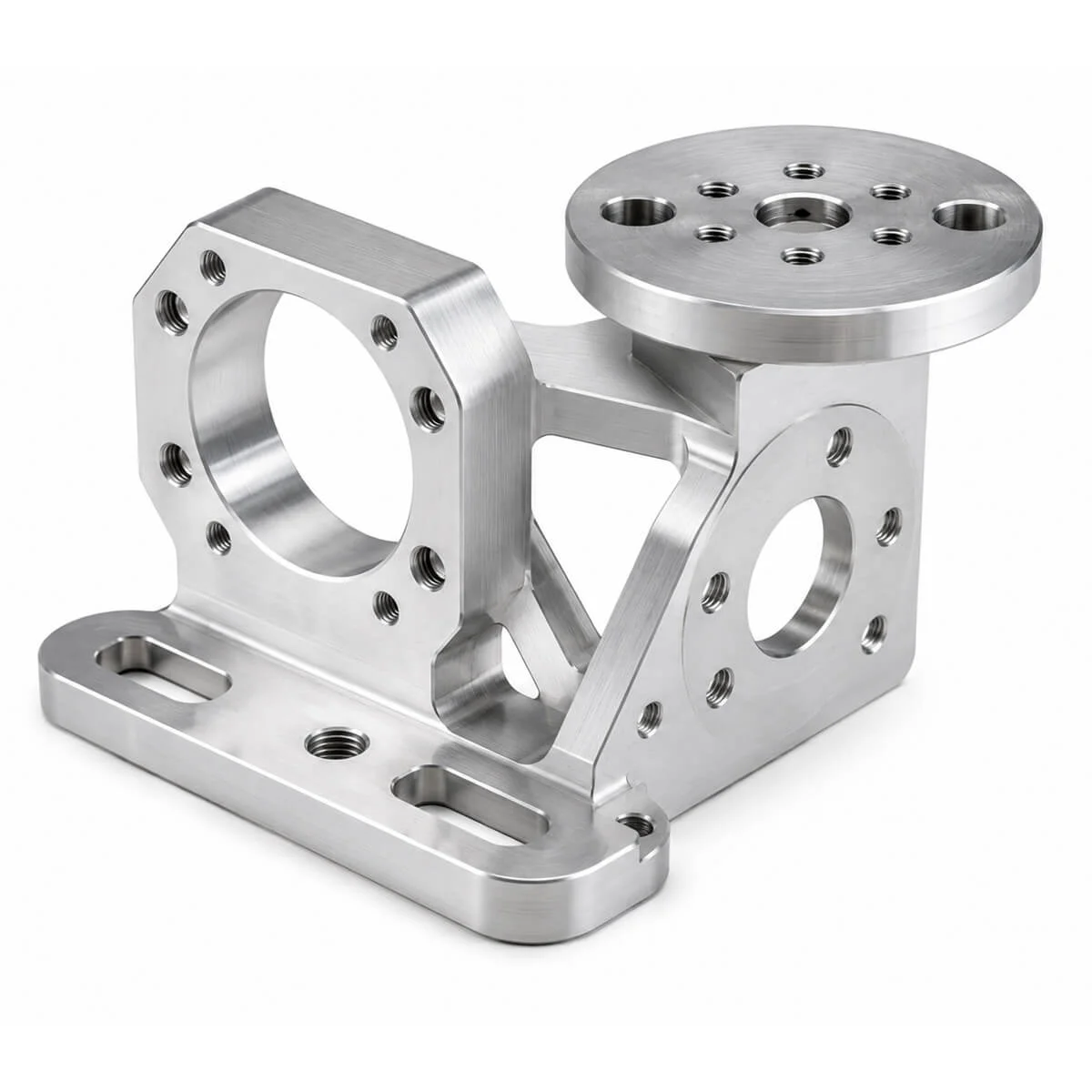
CNC Machining Manufacture Types and Materials?
What are CNC Machining Manufacture Types? 1. CNC machining Ordinary lathe is the most commonly used machine for turning parts. Turning is the removal of
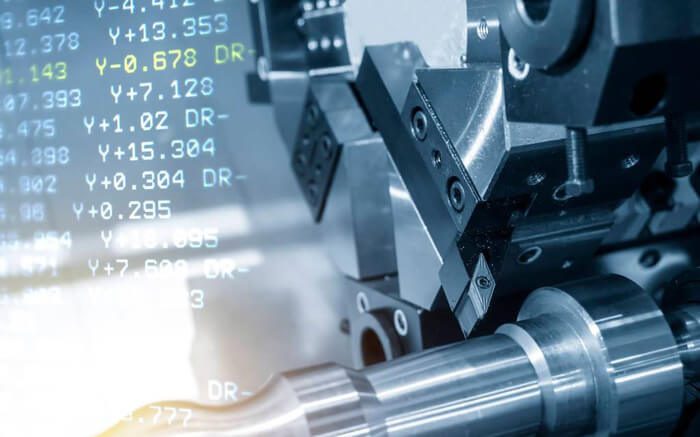
Why CNC Machining Is Best Way For Customized Products?
CNC machining is the most suitable processing method for low volume, high precision, and customized products. This is due to some special advantages of CNC
Structural Design And Industrial Design?
What are structural design and industrial design? What is the difference or relationship? Industrial design, for mass-produced products, endows materials, structure, structure, shape, color, surface

Polishing Methods And Technical Points Of High Gloss Mold
1. Mechanical Polishing Mechanical polishing is a polishing method to obtain a smooth surface by cutting and removing the convex part after polishing due to
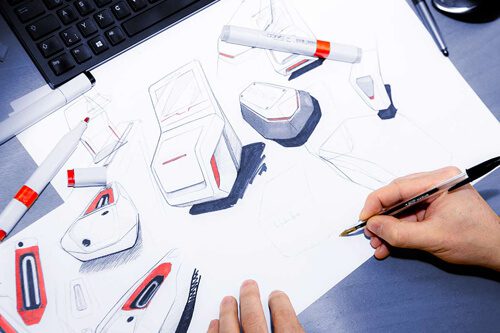
Relationship Between Industrial Design And Product Manufacturing
As a modern design theory and method, the research content of industrial design not only includes the product function, structure, materials, manufacturing technology, product form,
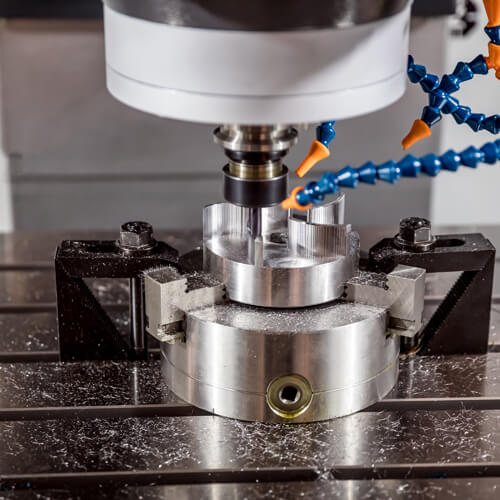
What factors affect the stability of CNC machining?
CNC machining is realized by CNC machine tools. Therefore, the stability of CNC machine tools directly affects the effect of CNC machining. What factors affect
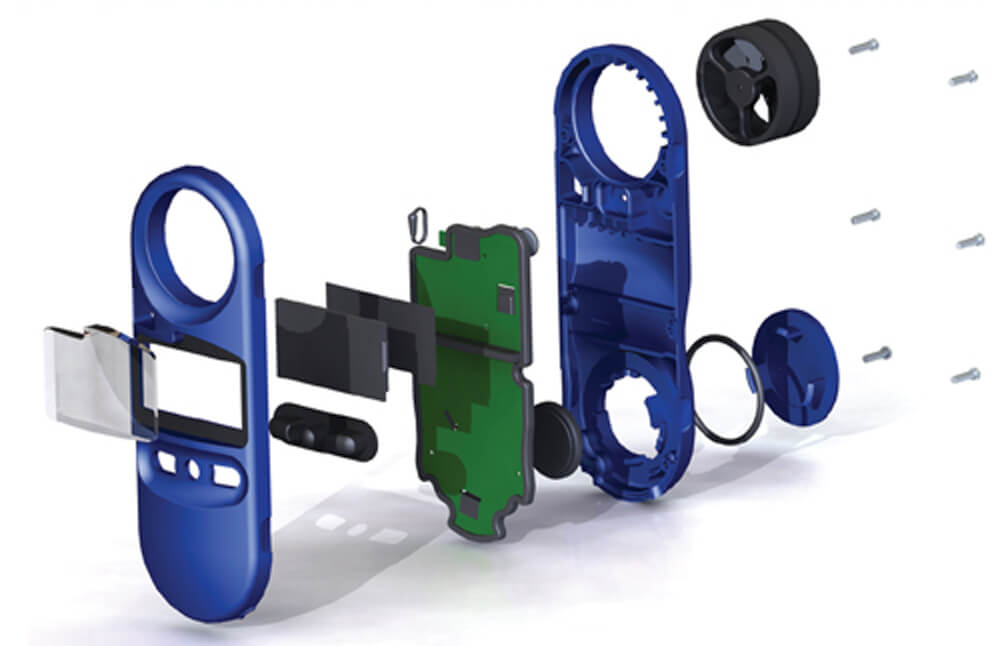
General Ideas Of Product Waterproof Structure Design
Most products are mainly waterproof for upper and lower shells, keys, battery doors and sensor leads. Common waterproof methods include gluing, ultrasonic, secondary injection molding,
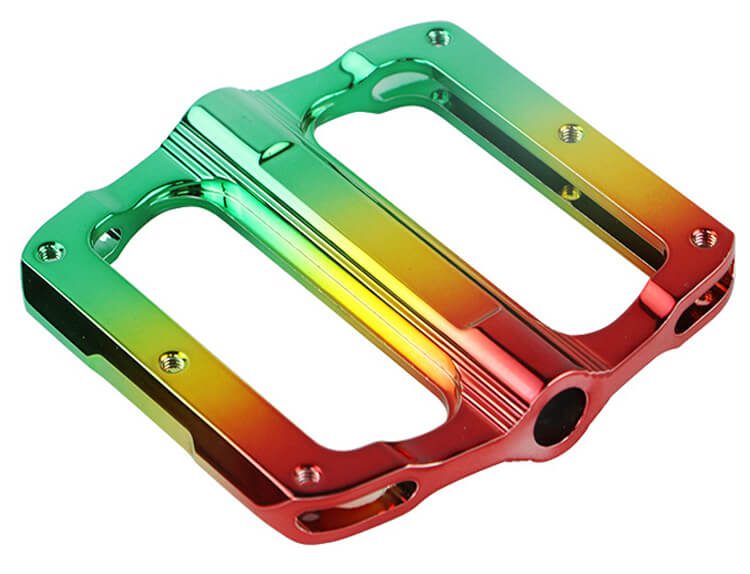
Surface treatment process of aluminum alloy
The surface treatment methods of aluminum alloy include anodic oxidation, electroplating, infiltration, surface spraying, shot peening and vacuum spraying. 1. Anodizing Anodizing method is a
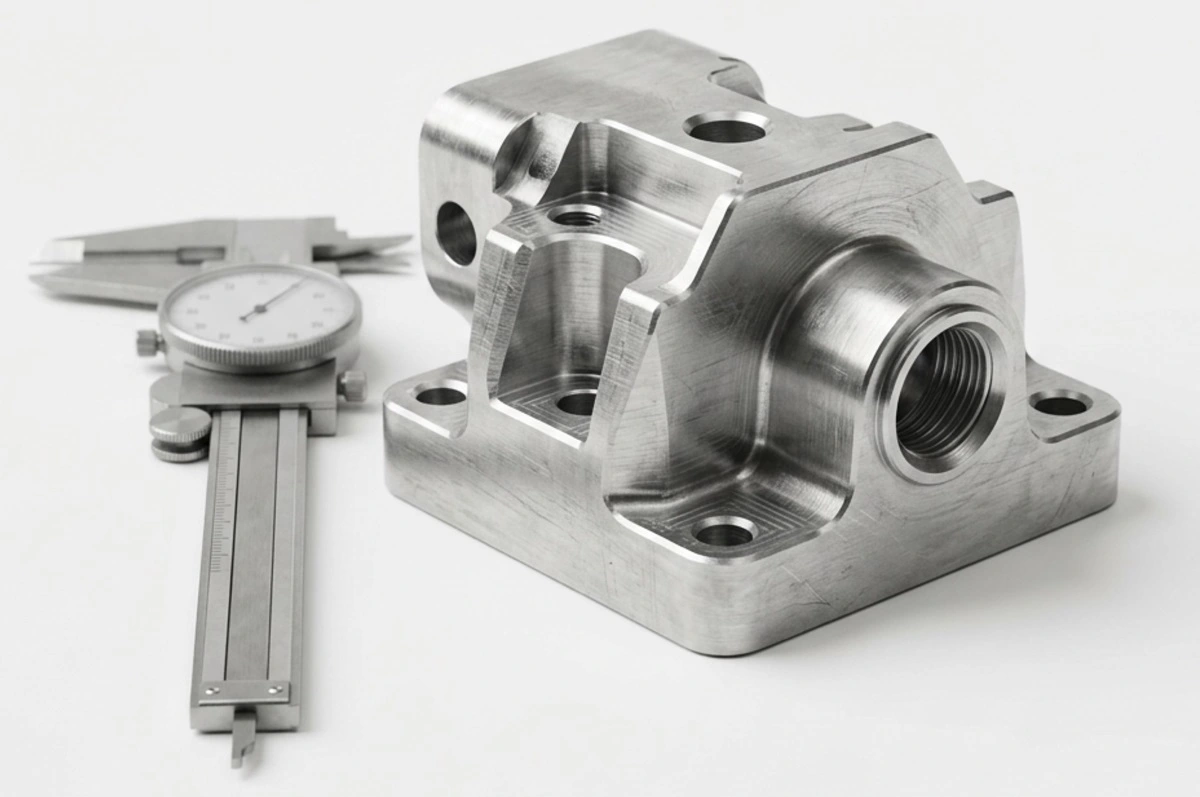
Precision vs Standard: Use Both, Not One Everywhere
Precision CNC machining and standard CNC machining are not opposites. The best manufacturing strategy often uses both on the same part: tight control for features that affect fit, motion, sealing, alignment, or safety, and standard tolerances for non-critical surfaces that do not change product performance.
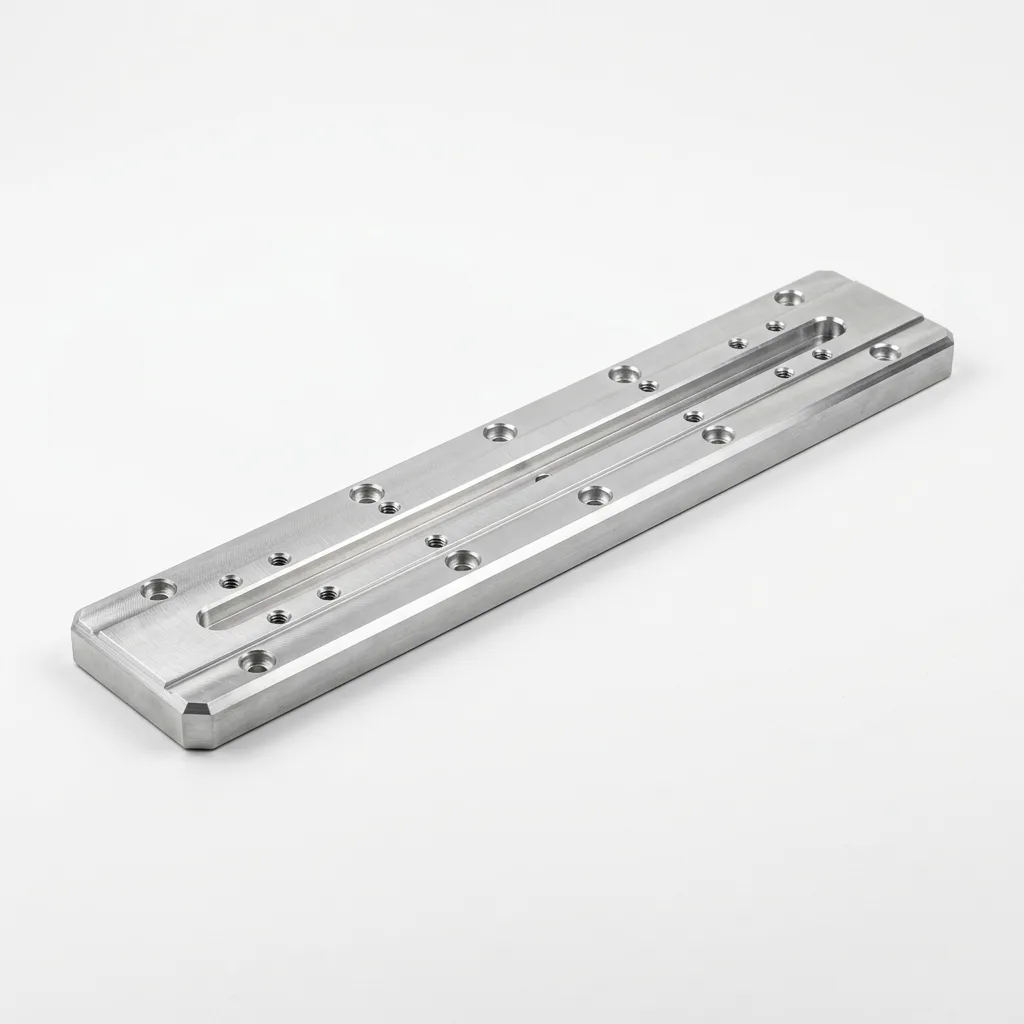
CNC Machining RFQ Checklist: What Serious Buyers Verify Before They Trust a Quote
1. Practical CNC machining RFQ checklist for serious buyers: what to include, what suppliers assume, and what to verify before trusting a quote.
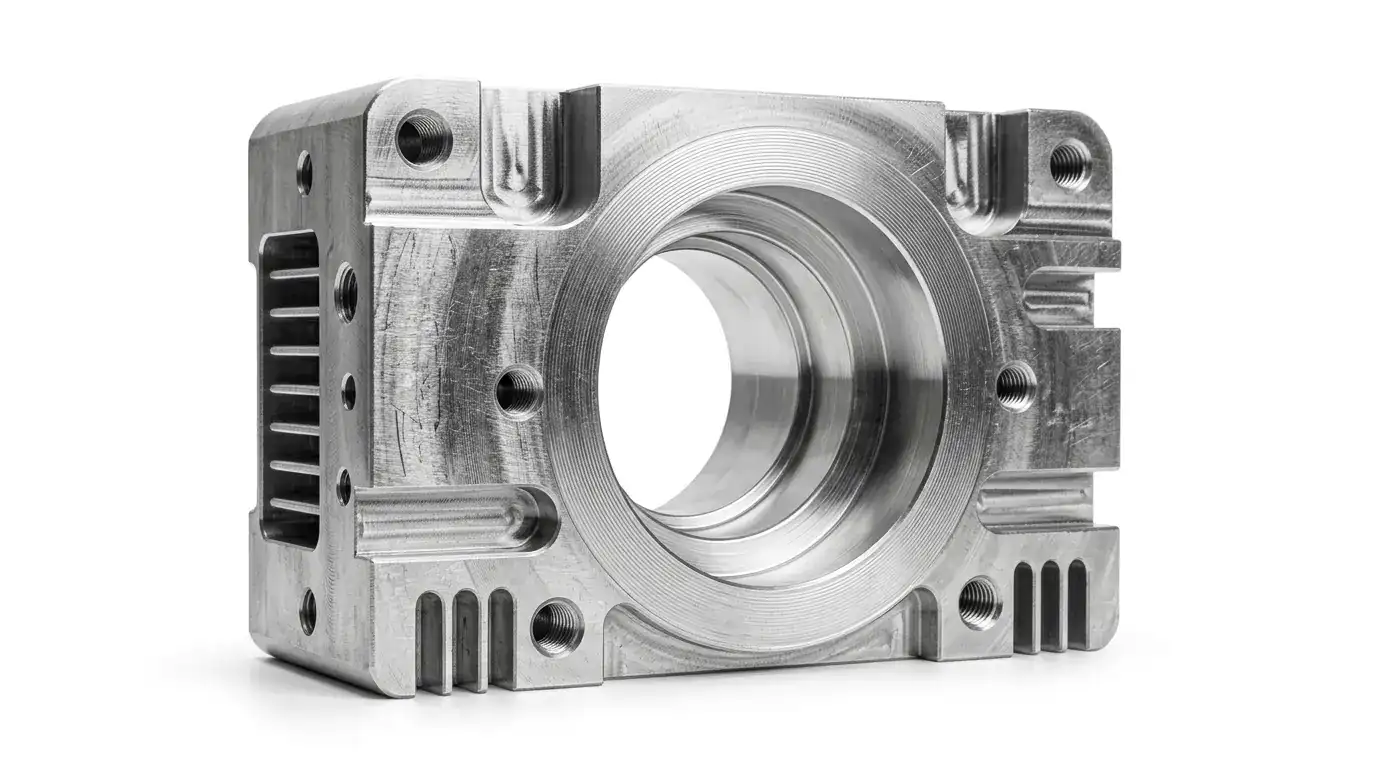
Why One Bore Can Stop a Production Line?
One bore looks trivial on a drawing.
In production, it can be the stumbling block feature in the whole part.
I’ve seen teams spending weeks on which machine to choose, spindle hours, even coating.
Find What You Need — Fast
Engineers and buyers don’t search by “topics”—they search by problems. Start with what you’re facing, get a clear answer, and move forward with confidence.
- Solve The Problem First Jump directly to issues like tolerance, cost drivers, surface finish, or machining limits—no digging required.
- Get RFQ-Ready Faster Each guide includes practical details—datums, finishes, inspection notes—so your quote comes back accurate the first time.
- Built For Real Workflows Content is structured to match how parts move from design → review → production, not just theory.
Reduce RFQ surprises and design for predictable pricing.
Call out tolerances that protect function—without paying for over-spec.
Turn CAD into manufacturable geometry with fewer setups and less risk.
Choose materials that meet strength, corrosion, and finish requirements.
Pick the right process (3-axis, 5-axis, turning, Swiss) for geometry and volume.
Diagnose fit, finish, and tolerance failures before they burn schedule.
Classifications
Balanced for SEO and buyer progress: traffic foundations, conversion playbooks, and authority deep-dives.
Why Tiny Errors Cause Big Problems?
In a critical assembly, a part might look to be clean, shiny, and visually perfect, but fail when it goes into real work.
Precision Is Defined by Function, Not by a Fancy Machine
Precision CNC machining might be regarded as using a better machine to cut out tighter measurements. That seems to be logical, but it’s one-sided and misses the actual truth.
Precision CNC Machining: Most Buyers Ask the Wrong Question
Precision CNC machining is not defined by the tightest tolerance. Learn how fit, motion, alignment, materials, and inspection determine real-world precision and cost.
Why is CNC Machining Important in Manufacture?
Compared with conventional machining, CNC machining is always a better option in many ways, that’s because it has bigger benefits.
CNC Machining Manufacture Types and Materials?
What are CNC Machining Manufacture Types? 1. CNC machining Ordinary lathe is the most commonly used machine for turning parts.
Why CNC Machining Is Best Way For Customized Products?
CNC machining is the most suitable processing method for low volume, high precision, and customized products. This is due to
Why Tiny Errors Cause Big Problems?
In a critical assembly, a part might look to be clean, shiny, and visually perfect, but fail when it goes into real work.
Precision Is Defined by Function, Not by a Fancy Machine
Precision CNC machining might be regarded as using a better machine to cut out tighter measurements. That seems to be logical, but it’s one-sided and misses the actual truth.
Precision CNC Machining: Most Buyers Ask the Wrong Question
Precision CNC machining is not defined by the tightest tolerance. Learn how fit, motion, alignment, materials, and inspection determine real-world precision and cost.
Why is CNC Machining Important in Manufacture?
Compared with conventional machining, CNC machining is always a better option in many ways, that’s because it has bigger benefits.
CNC Machining Manufacture Types and Materials?
What are CNC Machining Manufacture Types? 1. CNC machining Ordinary lathe is the most commonly used machine for turning parts.
Why CNC Machining Is Best Way For Customized Products?
CNC machining is the most suitable processing method for low volume, high precision, and customized products. This is due to
Why Tiny Errors Cause Big Problems?
In a critical assembly, a part might look to be clean, shiny, and visually perfect, but fail when it goes into real work.
Precision Is Defined by Function, Not by a Fancy Machine
Precision CNC machining might be regarded as using a better machine to cut out tighter measurements. That seems to be logical, but it’s one-sided and misses the actual truth.
Precision CNC Machining: Most Buyers Ask the Wrong Question
Precision CNC machining is not defined by the tightest tolerance. Learn how fit, motion, alignment, materials, and inspection determine real-world precision and cost.
Why is CNC Machining Important in Manufacture?
Compared with conventional machining, CNC machining is always a better option in many ways, that’s because it has bigger benefits.
CNC Machining Manufacture Types and Materials?
What are CNC Machining Manufacture Types? 1. CNC machining Ordinary lathe is the most commonly used machine for turning parts.
Why CNC Machining Is Best Way For Customized Products?
CNC machining is the most suitable processing method for low volume, high precision, and customized products. This is due to
Why Tiny Errors Cause Big Problems?
In a critical assembly, a part might look to be clean, shiny, and visually perfect, but fail when it goes into real work.
Precision Is Defined by Function, Not by a Fancy Machine
Precision CNC machining might be regarded as using a better machine to cut out tighter measurements. That seems to be logical, but it’s one-sided and misses the actual truth.
Precision CNC Machining: Most Buyers Ask the Wrong Question
Precision CNC machining is not defined by the tightest tolerance. Learn how fit, motion, alignment, materials, and inspection determine real-world precision and cost.
Why is CNC Machining Important in Manufacture?
Compared with conventional machining, CNC machining is always a better option in many ways, that’s because it has bigger benefits.
CNC Machining Manufacture Types and Materials?
What are CNC Machining Manufacture Types? 1. CNC machining Ordinary lathe is the most commonly used machine for turning parts.
Why CNC Machining Is Best Way For Customized Products?
CNC machining is the most suitable processing method for low volume, high precision, and customized products. This is due to
Why Tiny Errors Cause Big Problems?
In a critical assembly, a part might look to be clean, shiny, and visually perfect, but fail when it goes into real work.
Precision Is Defined by Function, Not by a Fancy Machine
Precision CNC machining might be regarded as using a better machine to cut out tighter measurements. That seems to be logical, but it’s one-sided and misses the actual truth.
Precision CNC Machining: Most Buyers Ask the Wrong Question
Precision CNC machining is not defined by the tightest tolerance. Learn how fit, motion, alignment, materials, and inspection determine real-world precision and cost.
Why is CNC Machining Important in Manufacture?
Compared with conventional machining, CNC machining is always a better option in many ways, that’s because it has bigger benefits.
CNC Machining Manufacture Types and Materials?
What are CNC Machining Manufacture Types? 1. CNC machining Ordinary lathe is the most commonly used machine for turning parts. Turning is the removal of
Why CNC Machining Is Best Way For Customized Products?
CNC machining is the most suitable processing method for low volume, high precision, and customized products. This is due to some special advantages of CNC
Filter By Intent Stage
Learn → Plan → Quote.
When Precision Machining Is Necessary
Precision CNC machining is necessary when specific features control assembly performance or when finishing processes can change final geometry. This guide explains where tight tolerance matters and why precision should be applied by function, not appearance.
Precision vs Standard: Use Both, Not One Everywhere
Precision CNC machining and standard CNC machining are not opposites. The best manufacturing strategy often uses both on the same part: tight control for features that affect fit, motion, sealing, alignment, or safety, and standard tolerances for non-critical surfaces that do not change product performance.
When Precision Machining Is Necessary
Precision CNC machining is necessary when specific features control assembly performance or when finishing processes can change final geometry. This guide explains where tight tolerance matters and why precision should be applied by function, not appearance.
Precision vs Standard: Use Both, Not One Everywhere
Precision CNC machining and standard CNC machining are not opposites. The best manufacturing strategy often uses both on the same part: tight control for features that affect fit, motion, sealing, alignment, or safety, and standard tolerances for non-critical surfaces that do not change product performance.
When Precision Machining Is Necessary
Precision CNC machining is necessary when specific features control assembly performance or when finishing processes can change final geometry. This guide explains where tight tolerance matters and why precision should be applied by function, not appearance.
Precision vs Standard: Use Both, Not One Everywhere
Precision CNC machining and standard CNC machining are not opposites. The best manufacturing strategy often uses both on the same part: tight control for features that affect fit, motion, sealing, alignment, or safety, and standard tolerances for non-critical surfaces that do not change product performance.
When Precision Machining Is Necessary
Precision CNC machining is necessary when specific features control assembly performance or when finishing processes can change final geometry. This guide explains where tight tolerance matters and why precision should be applied by function, not appearance.
Precision vs Standard: Use Both, Not One Everywhere
Precision CNC machining and standard CNC machining are not opposites. The best manufacturing strategy often uses both on the same part: tight control for features that affect fit, motion, sealing, alignment, or safety, and standard tolerances for non-critical surfaces that do not change product performance.
Popular Tags
What Is Machining Precision Really Controlled by …
Most CNC precision problems are not caused by the machine alone. This article explains why datum strategy, fixturing, material stress, geometry, tool wear, inspection alignment, and post-processing often decide whether a machined part actually holds tolerance in assembly.
When Precision Machining Is Necessary
Excerpt Option 1
Precision CNC machining becomes necessary when a feature directly controls assembly behavior or when finishing processes can change final geometry. This article explains where tight tolerance matters, what can go wrong, and how to judge precision by function instead of appearance.
When Precision Machining Is Necessary
Precision CNC machining is necessary when specific features control assembly performance or when finishing processes can change final geometry. This guide explains where tight tolerance matters and why precision should be applied by function, not appearance.
Precision vs Standard: Use Both, Not One Everywhere
Precision CNC machining and standard CNC machining are not opposites. The best manufacturing strategy often uses both on the same part: tight control for features that affect fit, motion, sealing, alignment, or safety, and standard tolerances for non-critical surfaces that do not change product performance.
When Precision Machining Is Necessary
Precision CNC machining is necessary when specific features control assembly performance or when finishing processes can change final geometry. This guide explains where tight tolerance matters and why precision should be applied by function, not appearance.
Precision vs Standard: Use Both, Not One Everywhere
Precision CNC machining and standard CNC machining are not opposites. The best manufacturing strategy often uses both on the same part: tight control for features that affect fit, motion, sealing, alignment, or safety, and standard tolerances for non-critical surfaces that do not change product performance.
When Precision Machining Is Necessary
Precision CNC machining is necessary when specific features control assembly performance or when finishing processes can change final geometry. This guide explains where tight tolerance matters and why precision should be applied by function, not appearance.
Precision vs Standard: Use Both, Not One Everywhere
Precision CNC machining and standard CNC machining are not opposites. The best manufacturing strategy often uses both on the same part: tight control for features that affect fit, motion, sealing, alignment, or safety, and standard tolerances for non-critical surfaces that do not change product performance.
When Precision Machining Is Necessary
Precision CNC machining is necessary when specific features control assembly performance or when finishing processes can change final geometry. This guide explains where tight tolerance matters and why precision should be applied by function, not appearance.
Precision vs Standard: Use Both, Not One Everywhere
Precision CNC machining and standard CNC machining are not opposites. The best manufacturing strategy often uses both on the same part: tight control for features that affect fit, motion, sealing, alignment, or safety, and standard tolerances for non-critical surfaces that do not change product performance.
When Precision Machining Is Necessary
Precision CNC machining is necessary when specific features control assembly performance or when finishing processes can change final geometry. This guide explains where tight tolerance matters and why precision should be applied by function, not appearance.
Precision vs Standard: Use Both, Not One Everywhere
Precision CNC machining and standard CNC machining are not opposites. The best manufacturing strategy often uses both on the same part: tight control for features that affect fit, motion, sealing, alignment, or safety, and standard tolerances for non-critical surfaces that do not change product performance.
Precision vs Standard: Use Both, Not One Everywhere
Precision CNC machining and standard CNC machining are not opposites. The best manufacturing strategy often uses both on the same part: tight control for features that affect fit, motion, sealing, alignment, or safety, and standard tolerances for non-critical surfaces that do not change product performance.
When Precision Machining Is Necessary
Precision CNC machining is necessary when specific features control assembly performance or when finishing processes can change final geometry. This guide explains where tight tolerance matters and why precision should be applied by function, not appearance.
Precision vs Standard: Use Both, Not One Everywhere
Precision CNC machining and standard CNC machining are not opposites. The best manufacturing strategy often uses both on the same part: tight control for features that affect fit, motion, sealing, alignment, or safety, and standard tolerances for non-critical surfaces that do not change product performance.
When Precision Machining Is Necessary
Precision CNC machining is necessary when specific features control assembly performance or when finishing processes can change final geometry. This guide explains where tight tolerance matters and why precision should be applied by function, not appearance.
Precision vs Standard: Use Both, Not One Everywhere
Precision CNC machining and standard CNC machining are not opposites. The best manufacturing strategy often uses both on the same part: tight control for features that affect fit, motion, sealing, alignment, or safety, and standard tolerances for non-critical surfaces that do not change product performance.
Need A Fast Answer?
Send your CAD + critical requirements. We reply with a DFM + risk snapshot.
Tip: include quantity, material, finish, and which features are tolerance-critical.
Cost, Lead Time, And Risk—visualized
The Tolerance Cost Curve (Concept Model)
Cost is rarely linear. Past a point, you pay for stability + inspection.
Lead Time Usually Comes From 5 Places
If you optimize these, quotes get faster and schedules stabilize.
A Practical Tolerance Reference (Metric)
Not a substitute for your drawing—use it to decide when *custom* callouts are worth it.
| Nominal size (mm) | Typical “standard” metal tolerance | Typical “standard” plastic tolerance | When you should specify tighter |
|---|---|---|---|
| 0.5–3 | about ±0.05 mm | about ±0.10 mm | Press fits, sealing, bearing seats, alignment features |
| 3–6 | about ±0.05 mm | about ±0.10 mm | Mating features and parts with stack-up sensitivity |
| 6–30 | about ±0.10 mm | about ±0.20 mm | Multi-part assemblies and repeated datum references |
| 30–120 | about ±0.15 mm | about ±0.30 mm | Large plates, alignment rails, and cosmetic zones with fit constraints |
| 120–400 | about ±0.20 mm | about ±0.50 mm | Long spans where warping or thermal drift can matter |
New to CNC? Start Here
This path is designed for progress: learn the basics, apply a DFM checklist, then validate cost + tolerance risk before production.
Know which features drive setups, tool reach, and inspection effort.
Catch deep pockets, sharp corners, thin walls, and unreachable faces.
Estimate cost with setups, batch size, and finish—then optimize.
Decide which features deserve tight tolerances—and which don’t.
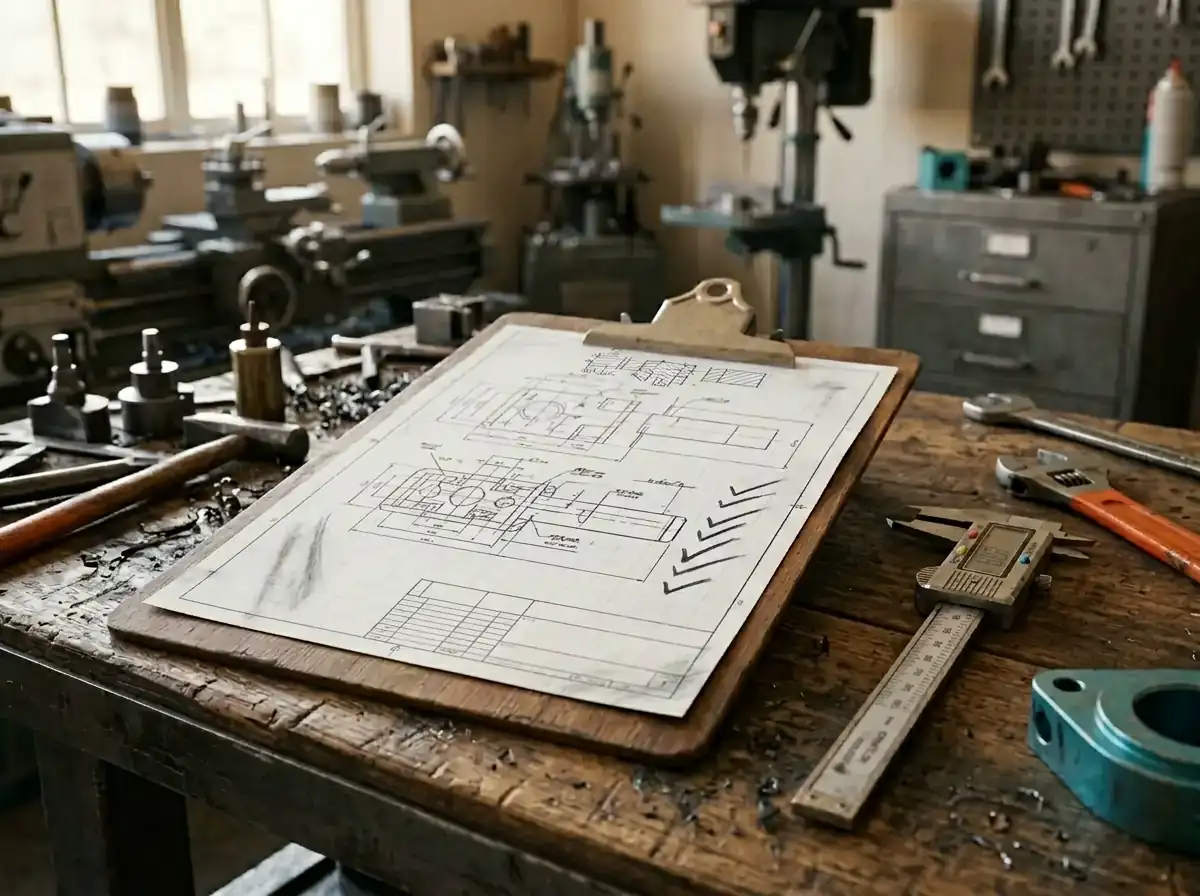
Download Tools That Make Your Next RFQ Smoother
Built for real workflows—CAD handoff, drawing notes, and risk control. Use them internally, or attach them to your RFQ.
Pocket depth, radii, wall thickness, tool access, finish zones.
Standard vs custom, pre/post finishing notes, inspection hints.
A one-page checklist for what to send: CAD, drawing, quantity, finish.
Design changes that move price without breaking function.
Want these tailored to your internal standards? We can build a project-specific checklist as part of your first order onboarding.
Upload Your CAD → Get DFM + Cost + Risk Review
If you’re looking for precision CNC machining services, speed comes from clarity. Send your CAD and mark what matters. We’ll respond with a focused manufacturability review.
What You’ll Get
A fast de-risking snapshot.
- DFM notes (setups, tool reach, geometry risks)
- Cost levers (what changes actually move price)
- Tolerance + inspection risk flags
What To Send
So we can quote accurately.
- STEP/IGES + drawing for critical features
- Material + finish + quantity
- Which faces are functional/cosmetic

FAQ
Quick answers buyers use when turning research into an RFQ-ready package.