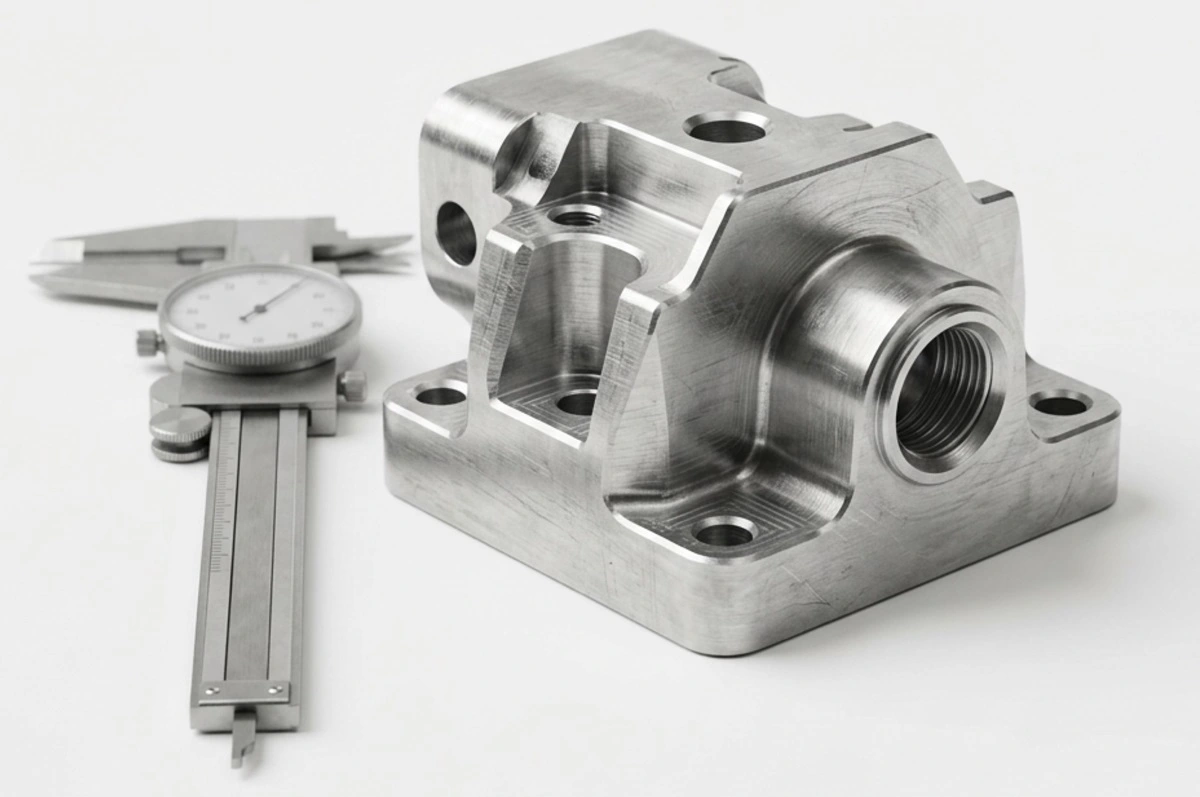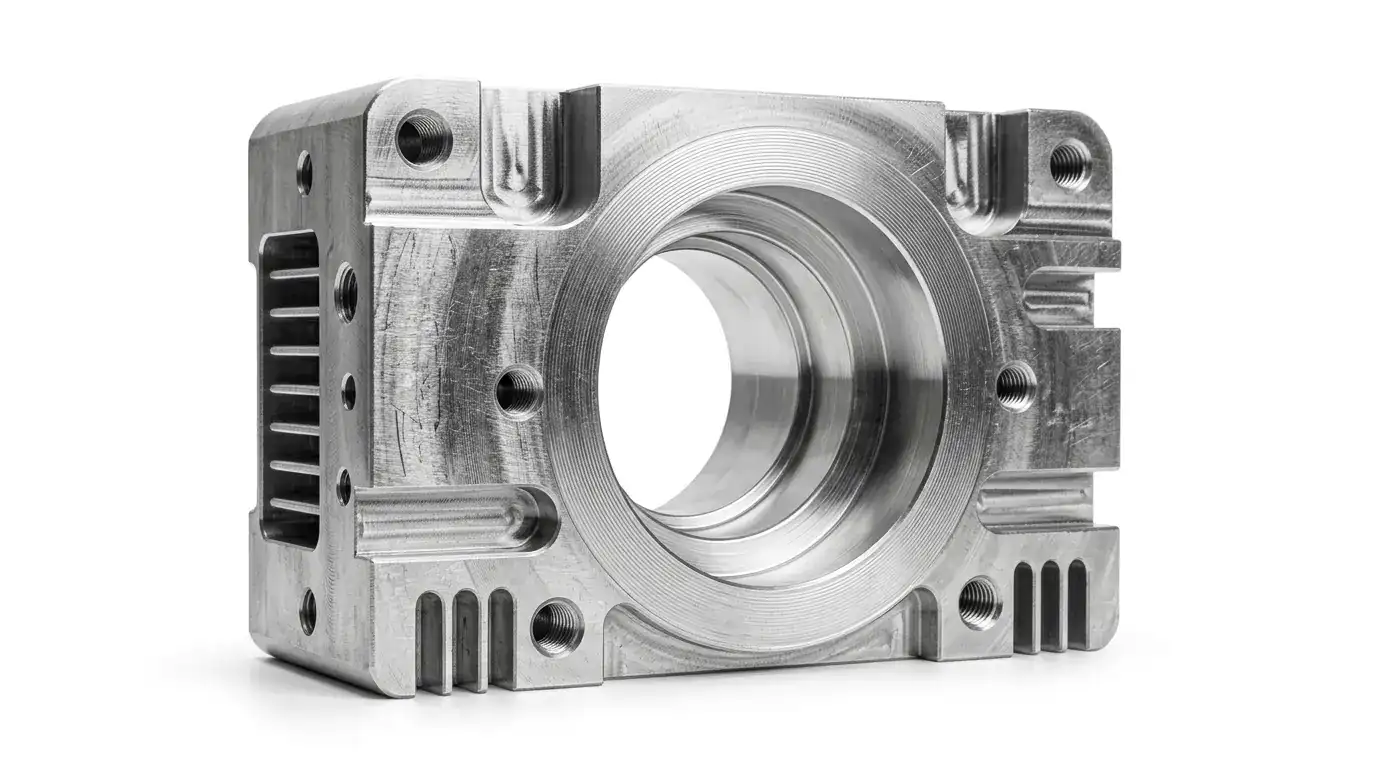
In a critical assembly, a part might look to be clean, shiny, and visually perfect, but fail when it goes into real work. This is why precision plays a key role in aerospace, medical devices, robotics, automation, and semiconductor equipment—because these assemblies do not tolerate small unfi.
The difference becomes clearer when you compare a general bracket to a bearing seat (or a robotic joint fitting surface, a valve body sealing feature, or a locating datum). If a bracket hole is slightly off, the assembly may still go together with some adjustment. But when the feature controls fit, alignment, motion, or sealing, a tiny drift is not“minor”any more. It becomes vibration, leakage, misalignment, accelerated wear, or functional failure.
So precision is not about looking impressive. It is risk elimination.
Tight tolerances are not valuable because they sound advanced. They are valuable only when the assembly can not work well without them. One undersized bore, one shifted locating feature, or one out-of-position pattern can stop a production line, trigger rework, or escalate into expensive quality disputes—especially when multiple suppliers and inspection methods are involved.
As a buyer, when evaluating part requirements, the right question is not “does it look perfect?”but “what happens if this feature is drift a little?” If it directly drives performance, then even a very small error can become a very high cost.