
Precision CNC Machined Parts For Machines That Must Move, Align, And Repeat
Explore the structural, motion, alignment, enclosure, and fixture components Batnon manufactures for automation equipment, robotics systems, inspection machines, and hardware products.
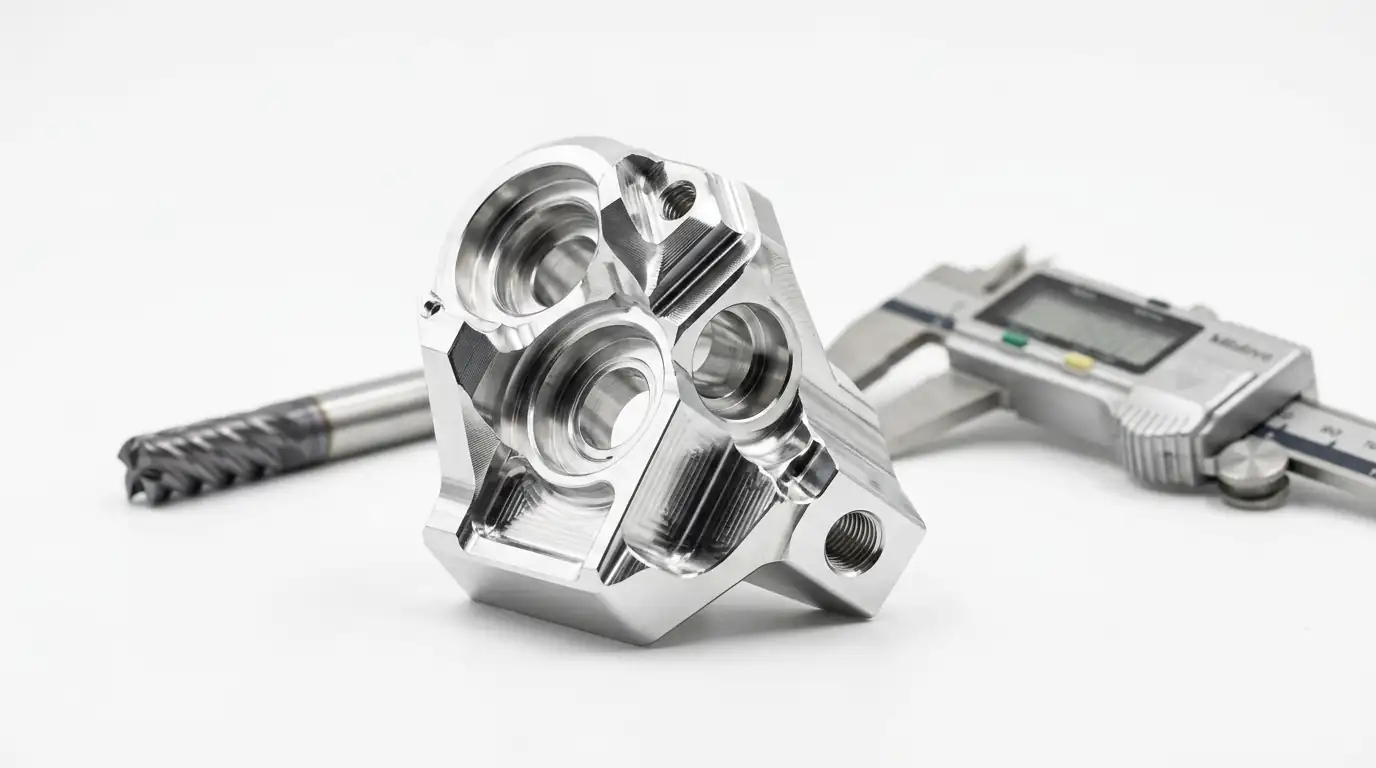
Find The Part Family Behind Your Assembly Requirement
Start with the way the part works in your machine: hold load, transfer motion, control alignment, protect electronics, or make assembly repeatable.
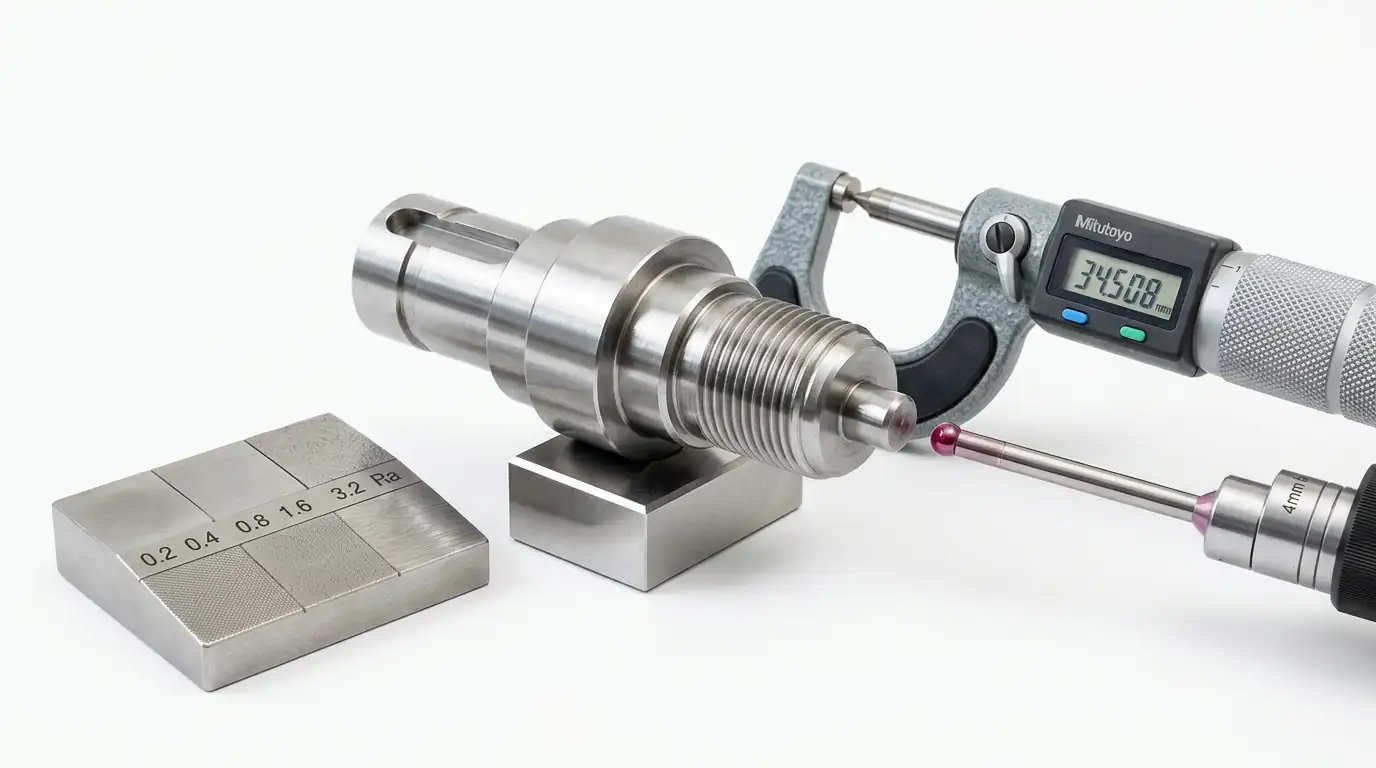
Robot Joint & Gearbox Components
Joint housings, reducer cases, bearing seats, motor interfaces, shafts, output flanges, and torque-transfer structures.
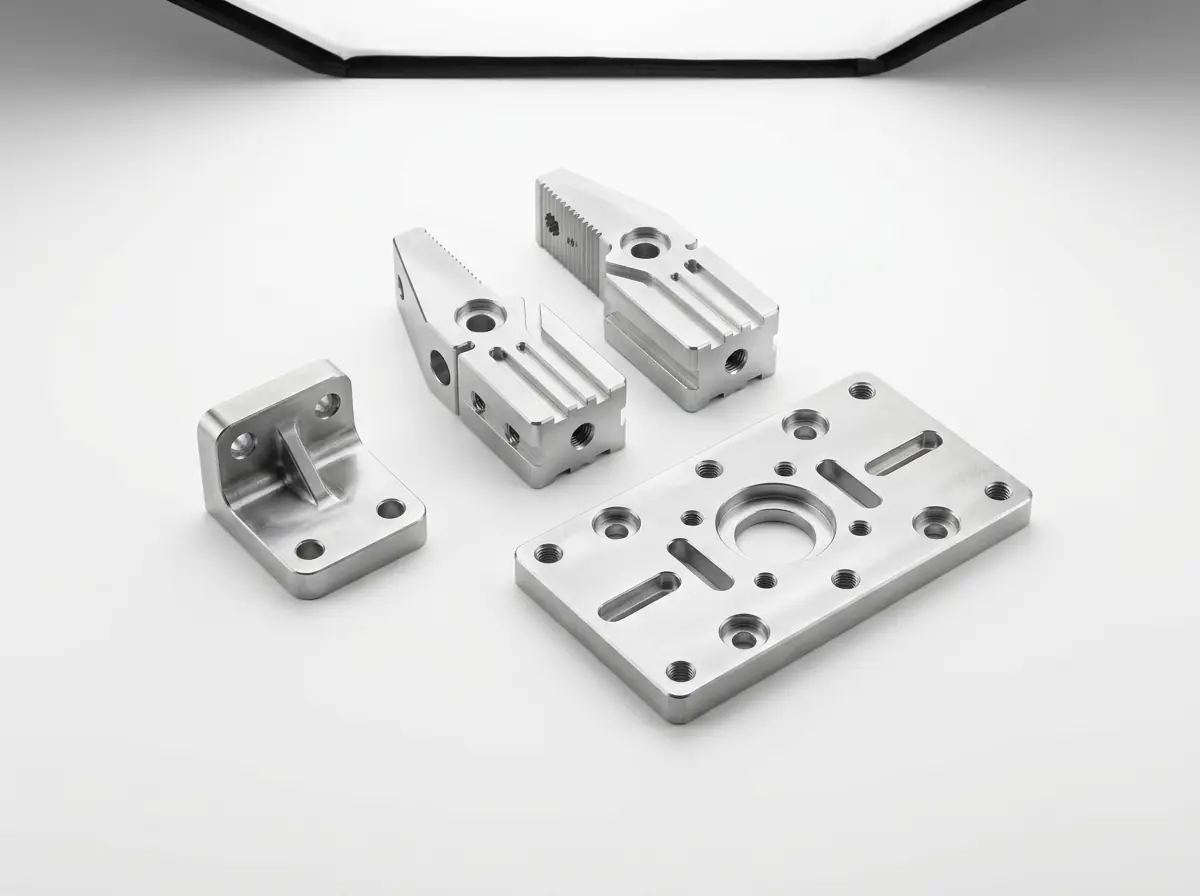
End-Of-Arm Tooling (EOAT) & Gripper Parts
Gripper fingers, adapter plates, vacuum tool mounts, wrist brackets, sensor brackets, and end-effector components.
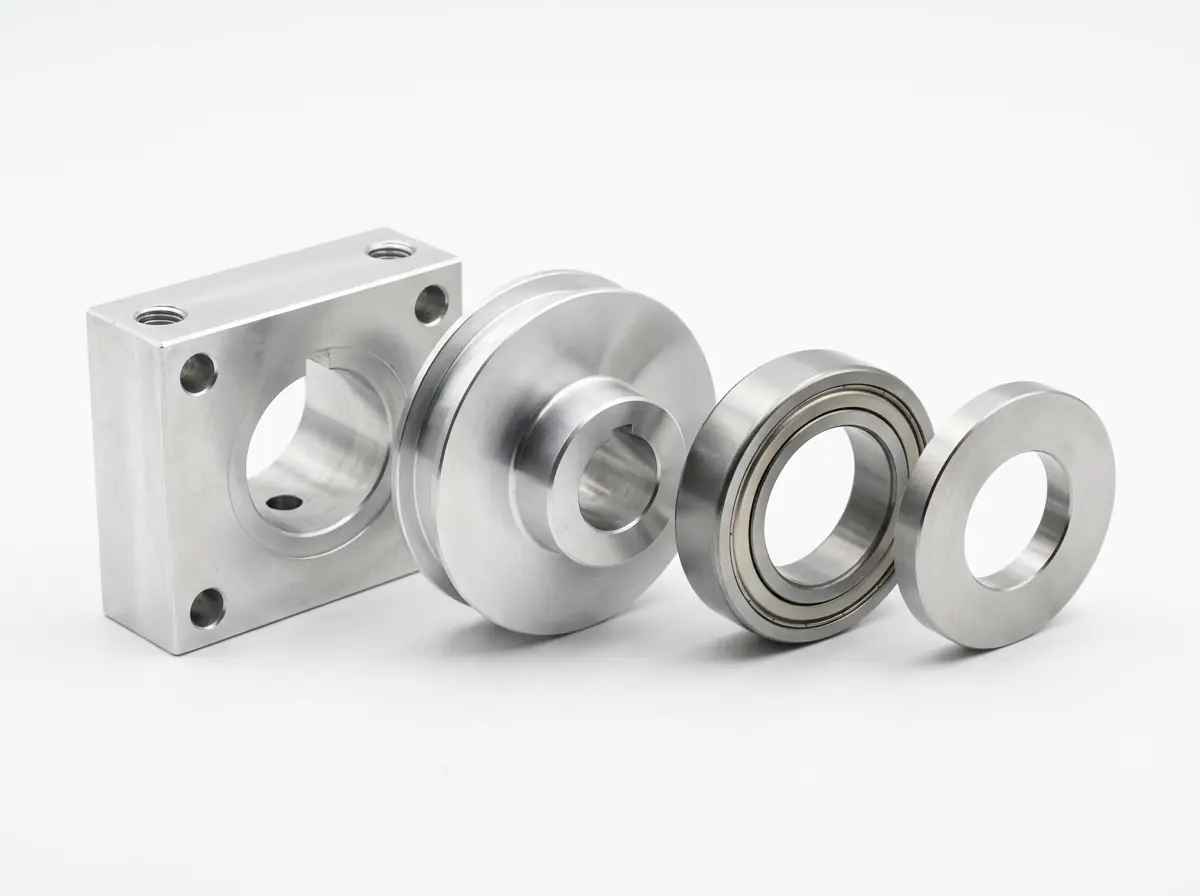
Precision Motion & Drive Components
Bearing housings, shaft supports, pulley hubs, belt tensioner blocks, motor plates, actuator mounts, and drive parts.
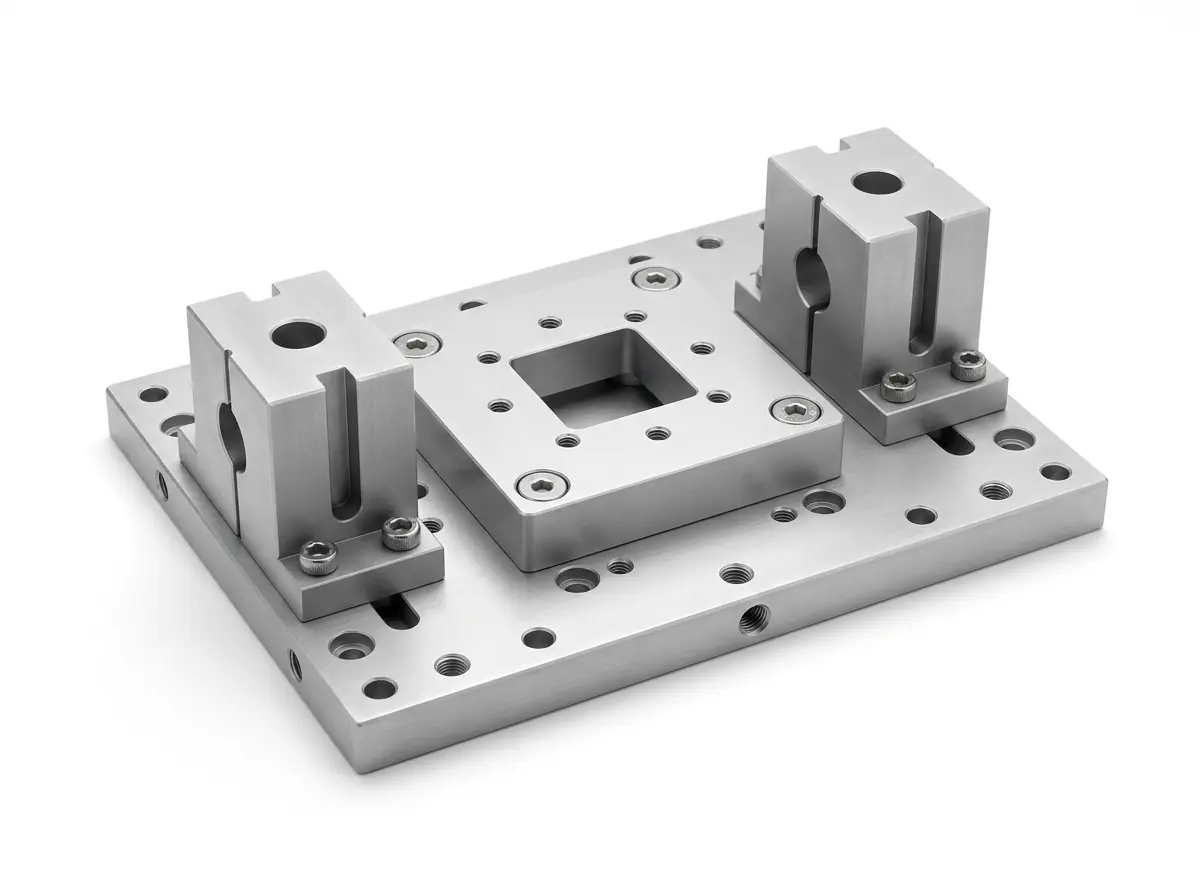
Structural Frames & Alignment Plates
Machine frames, base plates, rail plates, gantry members, support blocks, and datum-controlled alignment plates.
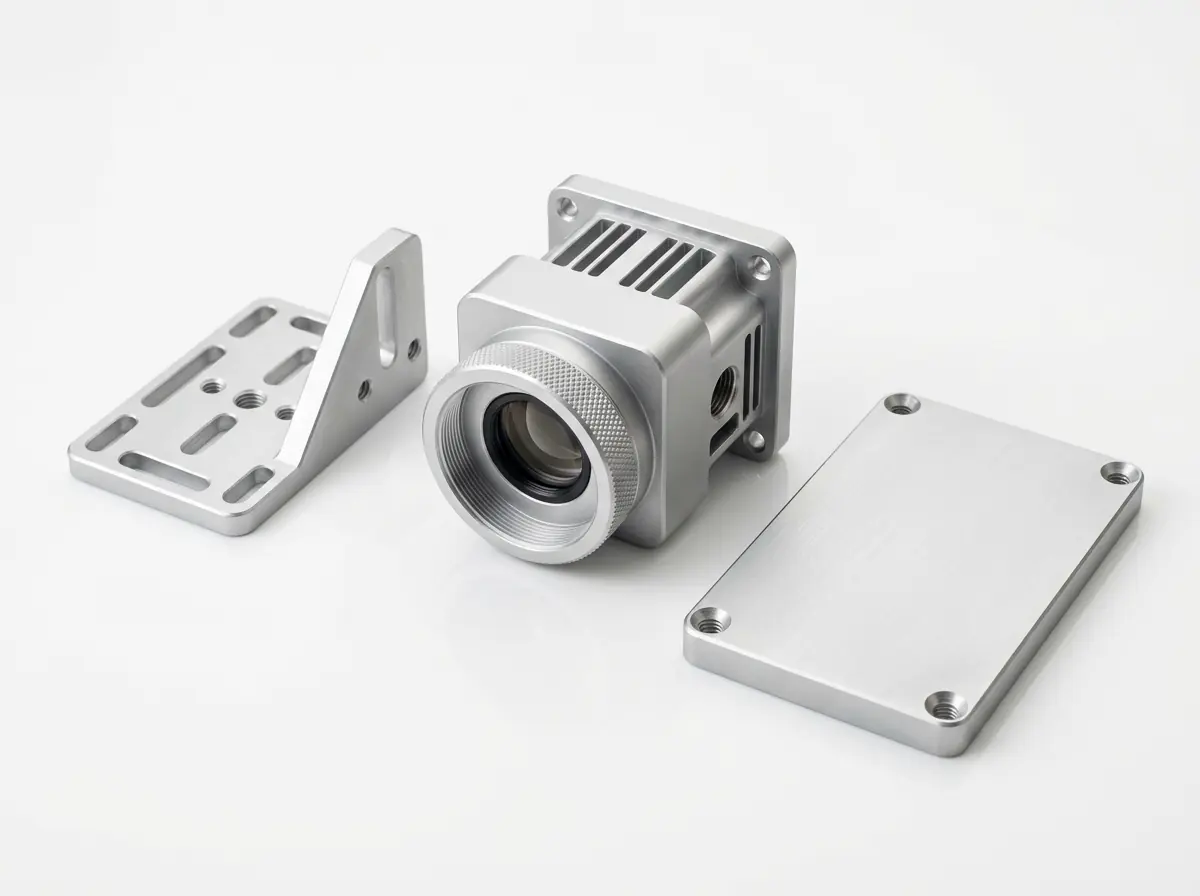
Sensor, Vision & Electronics Housings
Camera housings, sensor mounts, electronics enclosures, panels, connector plates, shielding, and protective covers.
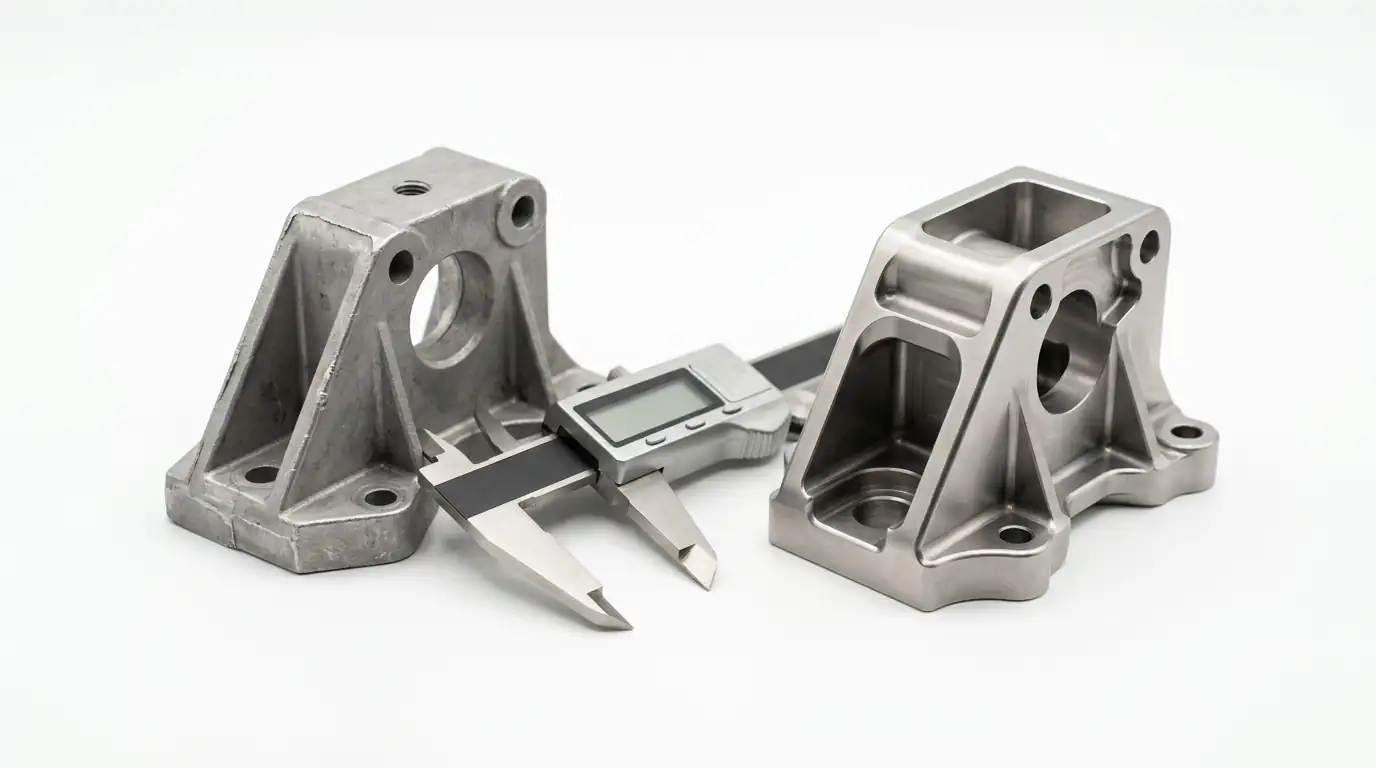
Automation Fixtures & Changeover Tooling
Fixture plates, locator blocks, inspection nests, changeover pallets, datum blocks, and repeatable assembly tooling.
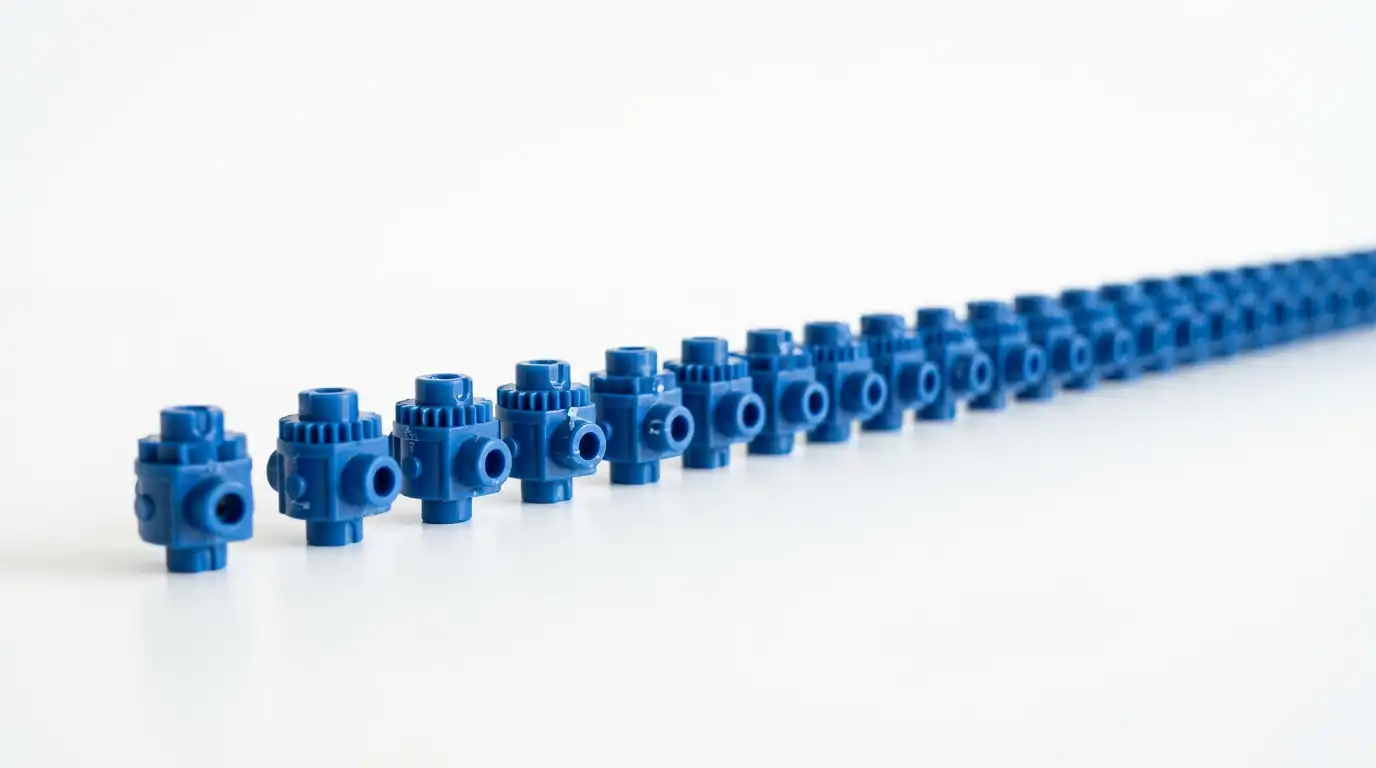
Prototype-To-Production Assemblies
Machined part sets, sub-assemblies, matched plates, hardware-ready components, and repeat-order parts for scaling.
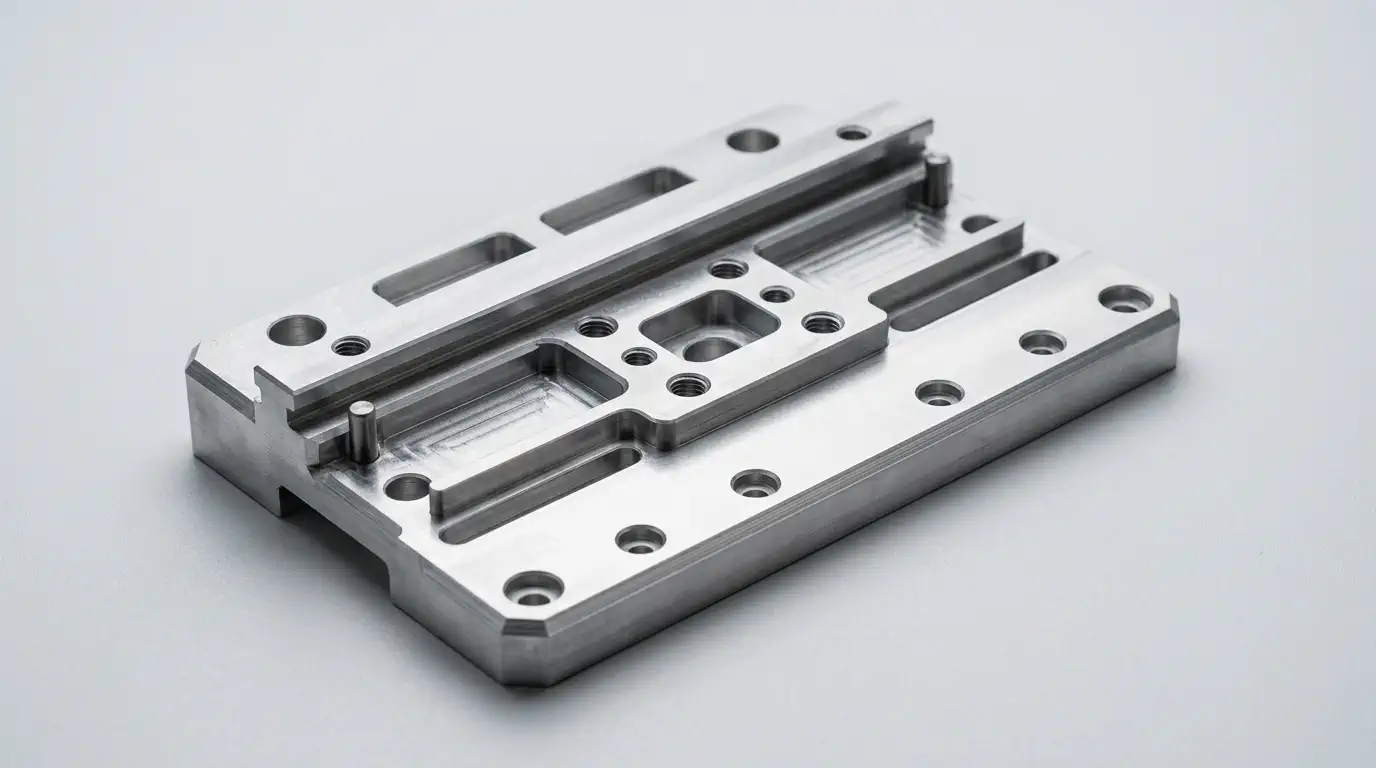
From Simple Plates To Critical Alignment Components
Use this matrix to match your drawing with the part family, common design risks, and the checks that help prevent fit, motion, or assembly issues.
| Part Family | Common Parts | Critical Design Checks | Typical Buyer Concern |
|---|---|---|---|
| Structural CNC Machined Parts | Robot base plates, gantry side plates, frame nodes, stiffener ribs, pocketed plates, alignment plates | Flatness, parallelism, stiffness-to-weight, rib strategy, thread engagement, setup stability | Will the part stay rigid after machining and assembly? |
| Motion Transmission Parts | Bearing housings, shaft supports, pulley hubs, coupler bodies, motor mounts, belt tensioner blocks | Bore tolerance, coaxiality, bearing seat finish, center distance, perpendicular mounting faces | Will motion remain smooth under repeated cycles? |
| Fixture & Alignment Parts | Datum blocks, fixture plates, locator nests, calibration plates, inspection jigs, rail mounting plates | Datum reference frame, hole position, dowel pin fit, rail straightness, repeatable clamping | Will every assembly locate the same way? |
| Enclosures & Machine Covers | Electronics housings, front panels, cover plates, sealing flanges, sensor covers, protective guards | Cosmetic faces, gasket grooves, mating edges, coating allowance, assembly clearance | Will it protect the system and still assemble cleanly? |
| Inspection / Metrology Parts | Camera brackets, optical mounts, probe holders, metrology plates, sensor blocks, test fixtures | Vibration control, angular alignment, CTQ inspection plan, anti-reflective finishing needs | Will measurement accuracy remain stable? |
| Hardware Product Parts | Device housings, knobs, brackets, spacers, adapter plates, heatsink-like bodies | Finish quality, hand-feel edges, toleranced interfaces, batch consistency, packaging protection | Will the part feel finished, not just machined? |
The Hidden Risks Are Usually In Datum, Setup, Finish, And Inspection
For custom CNC machined parts used in automation and robotics, the drawing dimension is only one layer. Real reliability depends on how functional features are located, clamped, machined, finished, inspected, packed, and assembled.
1. Datum Control
Confirm which surfaces, bores, pins, slots, or edges define the assembly relationship. Misaligned datums can create perfect-looking parts that fail during installation.
2. Setup Strategy
Multi-face parts need a clear machining sequence. Each setup can add location error, especially on thin plates, tall brackets, and parts with multiple precision features.
3. Finish Allowance
Anodizing, e-coating, plating, bead blasting, painting, and passivation can change fit, appearance, conductivity, and sealing behavior. Finish must be planned before machining starts.
4. Inspection Evidence
Critical bores, bearing seats, dowel holes, rail faces, and mating surfaces should be measured against the drawing intent, not only checked as isolated dimensions.
Engineering Review, CNC Machining, Finishing, And Inspection In One Workflow
Your drawing is reviewed together with material, finish, quantity, tolerance intent, and assembly function so potential fit issues can be addressed before production.
Drawing Intake
CAD, 2D drawing, material, finish, quantity, and part function are checked together.
DFM Review
Risk areas are flagged: datum logic, tolerance stack, tool access, clamping stability, and finish allowance.
Process Plan
Machining sequence, fixture approach, inspection points, and packing method are aligned before production.
CNC + Finish
Milling, turning, finishing, and simple sub-assembly support can be managed in one path.
Inspection Pack
Critical features can be supported with inspection data, photos, and review notes before shipment.

Guide Rail Mounting Plate For A Repeatable Motion Assembly
Problem: The plate looked simple, but rail hole patterns, datum edges, and bearing block interfaces created assembly sensitivity. Small location shifts caused binding during installation.
Solution: Batnon reviewed the datum structure, controlled the machining sequence, protected the rail reference face, and set inspection points for hole true position and flatness.
Result: The assembly located consistently with less manual adjustment during build.
Impact: Faster installation, fewer fit surprises, clearer inspection evidence, and a more repeatable path from prototype parts to small-batch production.

A Better RFQ Starts With The Details That Affect Price, Lead Time, And Fit
Use this checklist to help Batnon review your precision CNC machined parts faster and more accurately.
Upload Or Share
3D CAD file: STEP, STP, X_T, SLDPRT, or equivalent
2D drawing for tolerances, threads, GD&T, finish, and inspection notes
Material grade, surface treatment, and color requirement
Quantity range: prototype, small batch, or repeat production
Part function: structural, motion, fixture, enclosure, or inspection-related
Clarify If Applicable
Which features are critical to assembly, motion, sealing, or calibration?
Which surfaces must stay cosmetic after finishing and packing?
Which dimensions need inspection data before shipment?
Should sharp edges, burrs, or tool marks be controlled for hand-contact areas?
Will the part be assembled with bearings, rails, shafts, dowel pins, seals, or sensors?
Frequently Asked Questions About Precision CNC Machined Parts
What Types Of Automation And Robotics Parts Can Batnon Machine?+
Batnon machines structural plates, motion and drive parts, bearing housings, motor mounts, shaft supports, fixture plates, datum blocks, guide rail mounting plates, enclosure panels, covers, and custom hardware components based on your CAD and drawings.
Can Batnon Hold Tight Tolerances For Critical Features?+
Yes, selected critical features can be reviewed for tolerance capability down to ±0.005 mm. Actual feasibility depends on geometry, material, feature size, setup access, finish allowance, and inspection method.
Do You Review Drawings Before Quoting?+
Yes. Batnon reviews drawings for manufacturability, datum logic, tolerance risk, tool access, clamping stability, surface treatment allowance, and inspection needs before providing a practical quotation.
Which Materials Are Common For These Parts?+
Common materials include 6061-T6 and 7075 aluminum, stainless steels, alloy steels, brass and copper, plus engineering plastics for covers, spacers, or low-friction parts—selected based on stiffness, weight, corrosion resistance, conductivity, wear, or appearance.
Can You Support Finishing After CNC Machining?+
Yes. Batnon can support anodizing, hard anodize, e-coating, plating, bead blasting, polishing, passivation, and painting depending on material and function. Finish allowance should be confirmed before production so fits stay correct.
What Files Should I Send For A Faster Quote?+
Please send a 3D CAD file, 2D drawing, quantity, material, finish, and a clear CTQ list. If the part interfaces with rails, bearings, shafts, dowel pins, seals, or sensors, include that mating information.
Can Batnon Help From Prototype To Small-Batch Production?+
Yes. Batnon supports prototypes, small-batch production, and repeat orders. The same drawing-review approach is used to prevent fit issues before quantity scales.
How Do You Reduce Assembly Risk For Motion And Alignment Parts?+
Batnon focuses on datum planning, stable fixturing, machining sequence, tolerance stack review, critical-feature inspection, and surface treatment control so the final parts support real assembly function—not only isolated dimensions.
Batnon Manufactures Critical CNC Machined Components For Equipment Builders Who Need Fit, Motion, Protection, And Repeatability
Batnon makes custom CNC machined parts such as robot joint housings, gearbox / reducer cases, bearing seats, shafts, motor plates, guide rail mounting plates, fixture bodies, datum blocks, inspection nests, electronics enclosures, machine covers, and precision hardware components. Before production, we review more than the nominal dimensions: datum logic, tolerance intent, setup strategy, finish allowance, assembly fit, and inspection evidence are aligned to reduce surprises.
Send your CAD file and drawing if the part must carry load, guide motion, locate an assembly, protect electronics, or keep a machine accurate over repeated cycles.