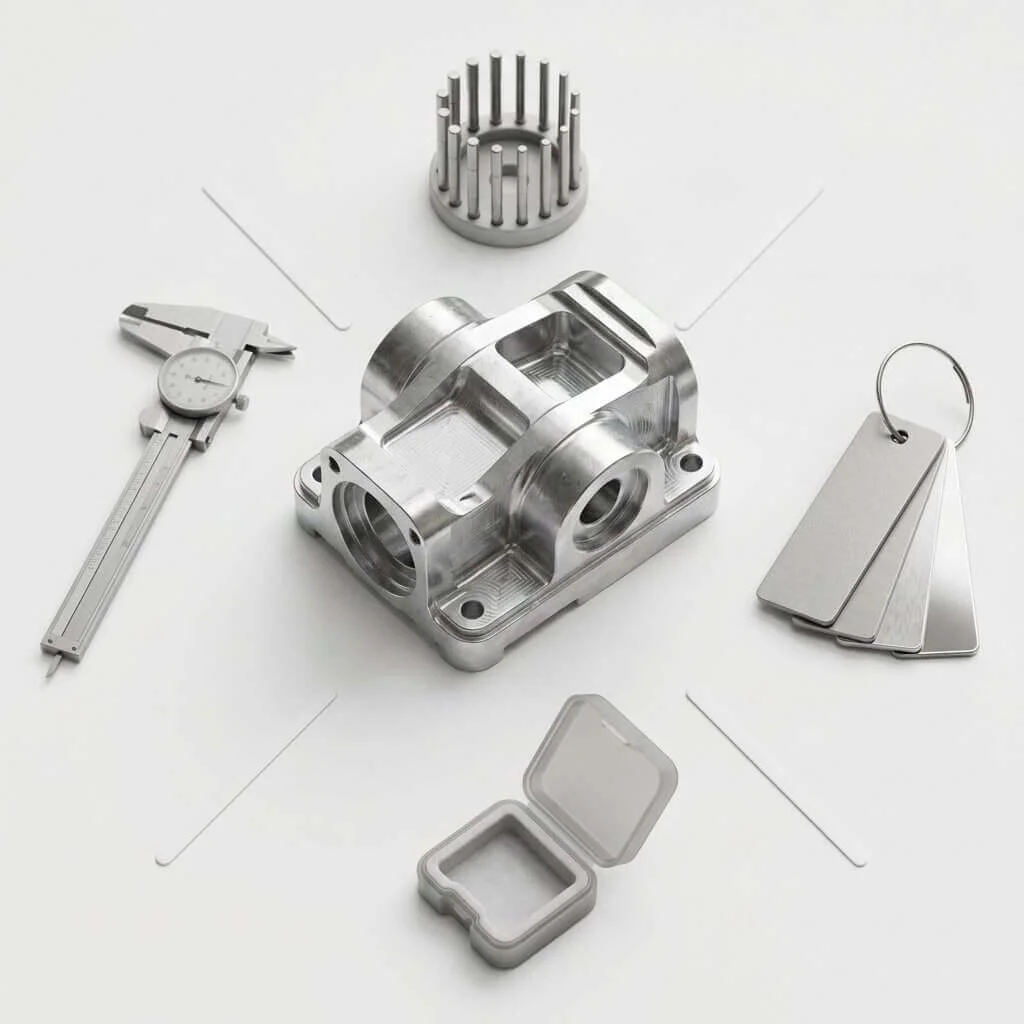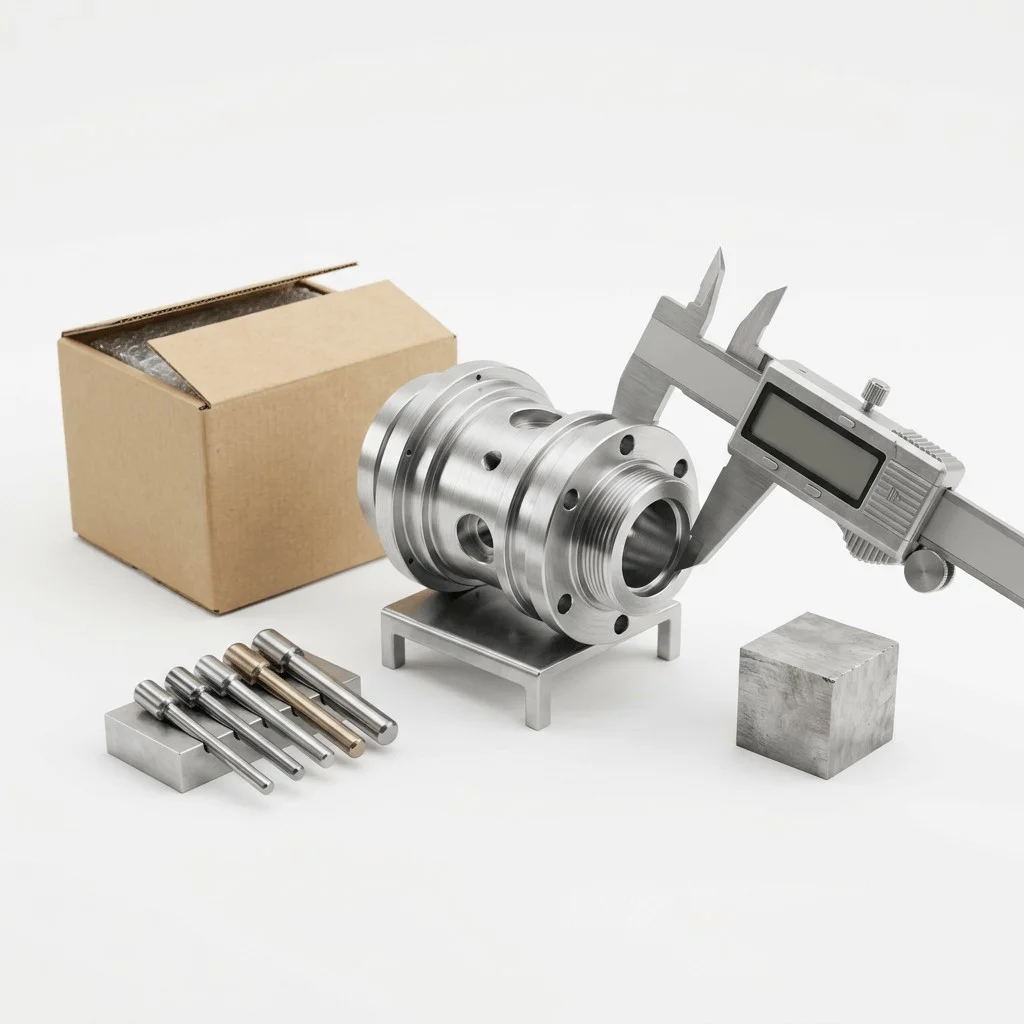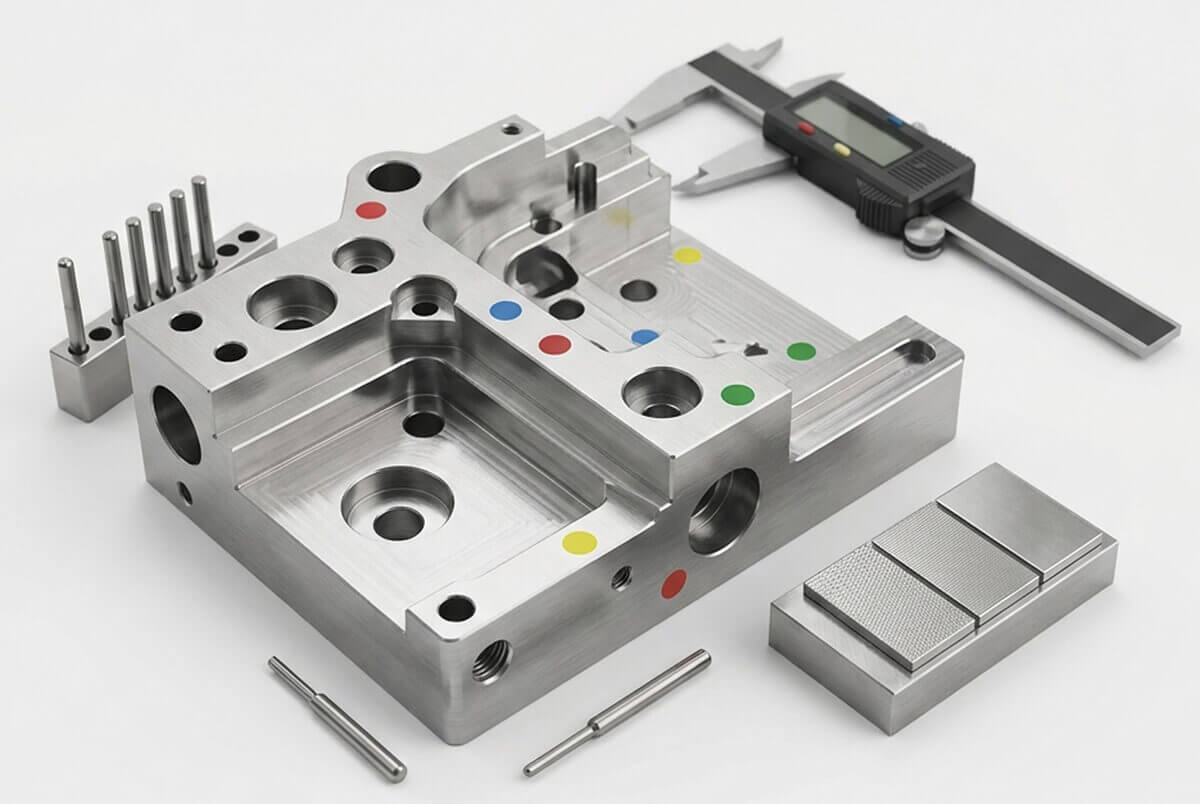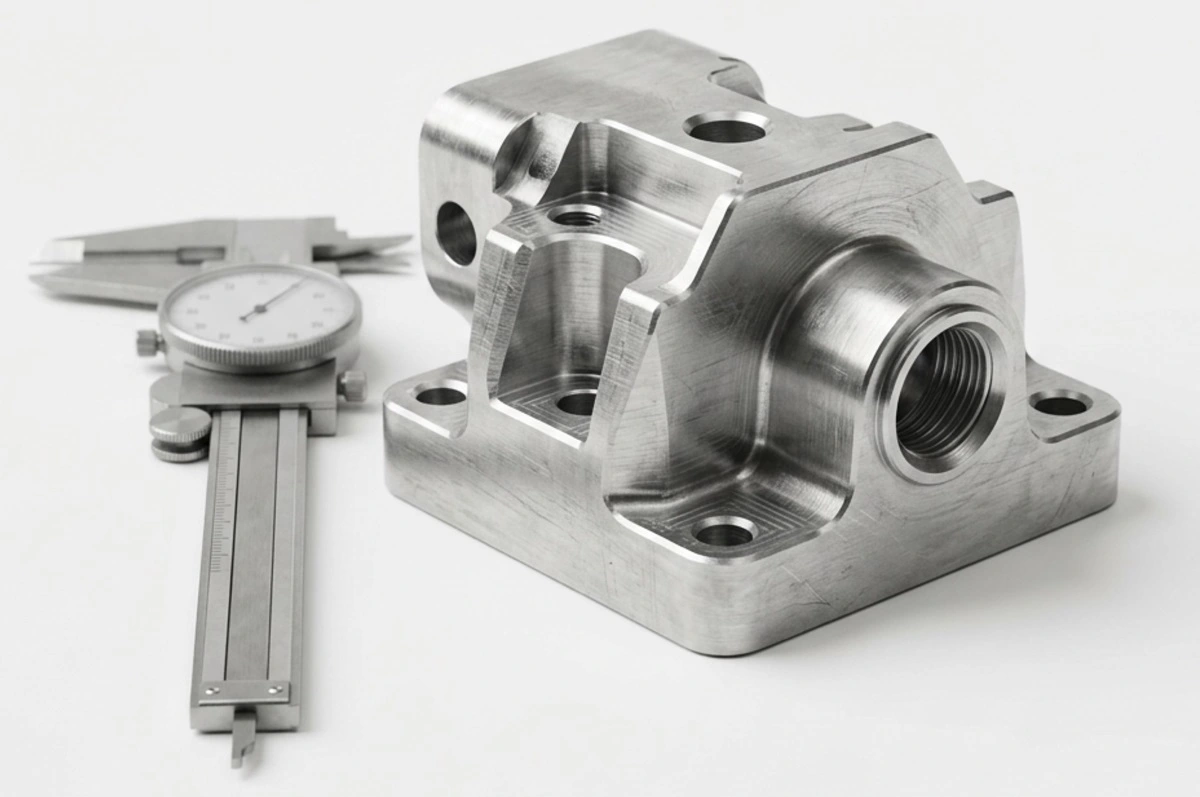
CNC Machining Manufacture Types and Materials?

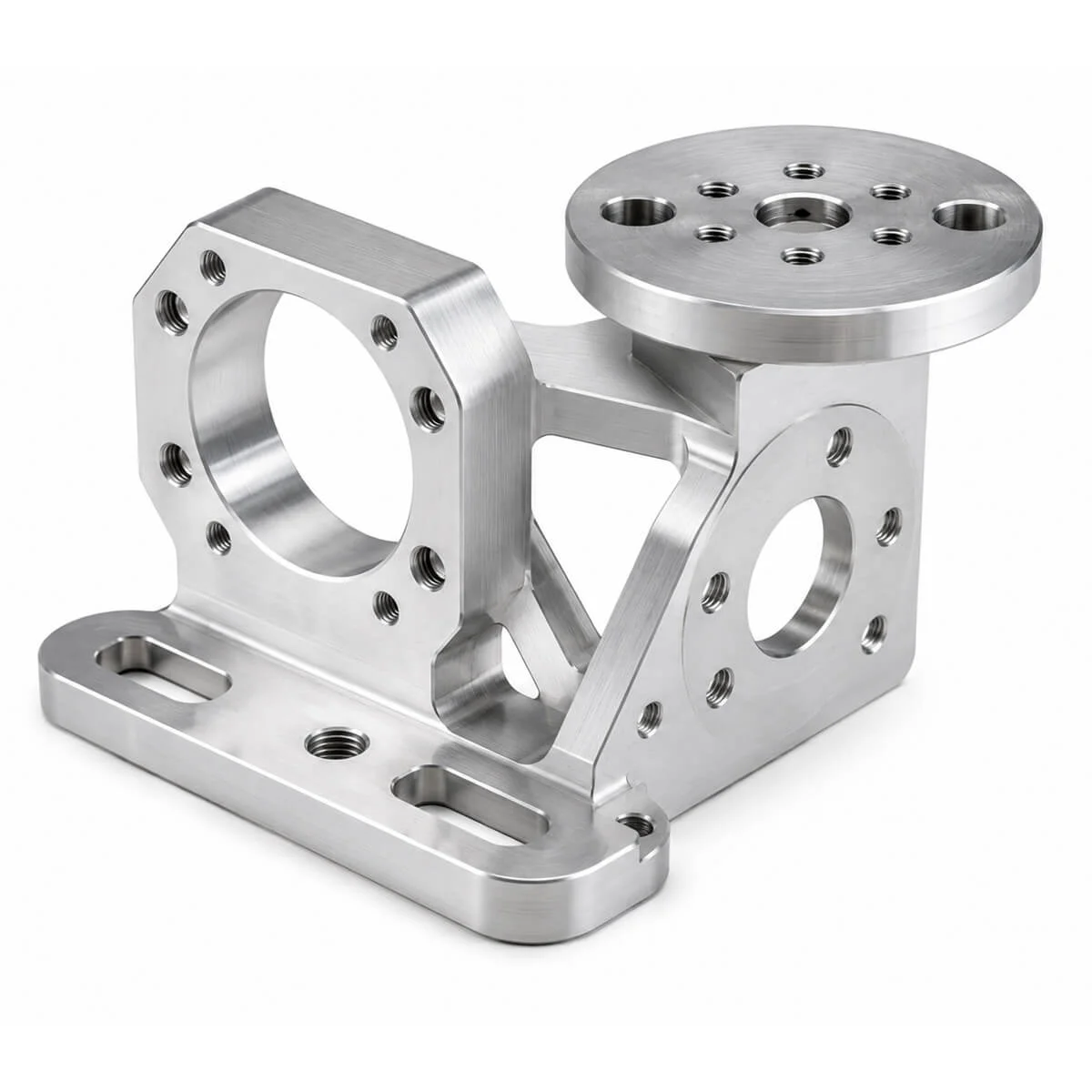
Sensor mounts (LiDAR, proximity, force sensors)

What are CNC Machining Manufacture Types?
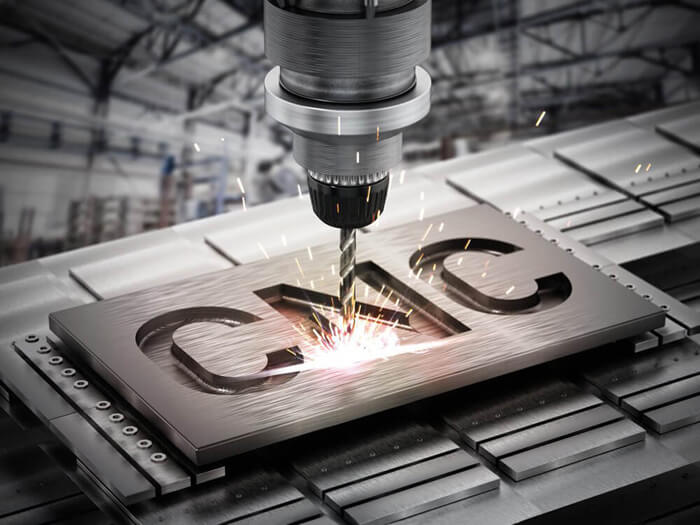
CNC Machining Manufacture Types

1. CNC machining

Ordinary lathe is the most commonly used machine for turning parts. Turning is the removal of metal from the workpiece. When the workpiece rotates, the tool cuts along the workpiece. Boring is a method of enlarging or further machining holes drilled or cast on metal workpieces. Boring on the lathe is completed by a single edge tool, which rotates while feeding to the workpiece.

2. CNC milling
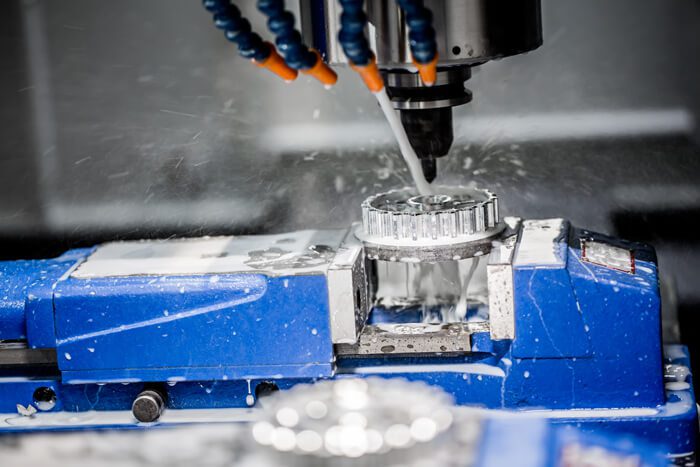
Milling is the process of cutting metal with rotating tools. This kind of cutter has multiple cutting edges, which is called milling cutter

3. CNC drilling
There are many types and specifications of drilling machines. In addition to drilling, the drilling machine can also carry out other processing. When drilling, the workpiece is clamped and fixed. The drill bit rotates into the
workpiece at the same time.

4. CNC grinding
Grinding is a method of removing metal using a grinding wheel called a grinding wheel. The workpiece is finished by grinding. After grinding, the workpiece size is accurate and smooth. When grinding a circular workpiece,
the workpiece rotates and feeds the rotating grinding wheel. When grinding a flat workpiece, the workpiece moves back and forth while the grinding wheel rotates. Grinding process is to finish the hard workpiece after heat
treatment to achieve accurate size.

5. CNC cutting
It is mainly used to cut some types of gears.

What are CNC Machining Materials?
CNC Machining Materials

1. Metal:
Aluminum
Brass
Copper
Stainless Steel
Steel Alloy
Carbon Steel

2. Plastic:
ABS
Acetal
Delrin (POM)
PE (HDPE, LDPE)
Nylon
PEEK
PET
PMMA
PC (Polycarbonate)
PP (Polypropylene)
PPSU
PS
PVC

3. Wood and Bamboo

Picture of Jacky

Jacky

Jacky is BDM at Batnon, writing about CNC machining, custom manufacturing, product development, and practical sourcing decisions.

Related Articles

01-precision-cnc-machining-inspection-parts-batnon

What Is Machining Precision Really Controlled by …

Most CNC precision problems are not caused by the machine alone. This article explains why datum strategy, fixturing, material stress, geometry, tool wear, inspection alignment, and post-processing often decide whether a machined part actually holds tolerance in assembly.

Read More »
Precision S. Steel Multi-port Fluid Control Valve Block for Hydraulics Pneumatics 1

When Precision Machining Is Necessary

Excerpt Option 1
Precision CNC machining becomes necessary when a feature directly controls assembly behavior or when finishing processes can change final geometry. This article explains where tight tolerance matters, what can go wrong, and how to judge precision by function instead of appearance.

Read More »
precision cnc machining fixing plate - batnon (1) (1)

When Precision Machining Is Necessary

Precision CNC machining is necessary when specific features control assembly performance or when finishing processes can change final geometry. This guide explains where tight tolerance matters and why precision should be applied by function, not appearance.

Read More »
Precision-vs-Standard-Use-Both_-Not-One-Everywhere

Precision vs Standard: Use Both, Not One Everywhere

Precision CNC machining and standard CNC machining are not opposites. The best manufacturing strategy often uses both on the same part: tight control for features that affect fit, motion, sealing, alignment, or safety, and standard tolerances for non-critical surfaces that do not change product performance.

Read More »