Many buyers talk about precision CNC machining and standard CNC machining as if they are opposites. One sounds controlled and professional. The other sounds ordinary. But in real manufacturing, the best strategy often uses both on the same part. The real skill is knowing which features need tight control and which only need to be accurate enough to do their job.
If you want the deeper definition first, read What is Precision CNC Machining?. Precision does not mean “make every surface perfect.” It means controlling the features that affect function, assembly, repeatability, or safety. Standard machining still matters because many dimensions do not affect those results.
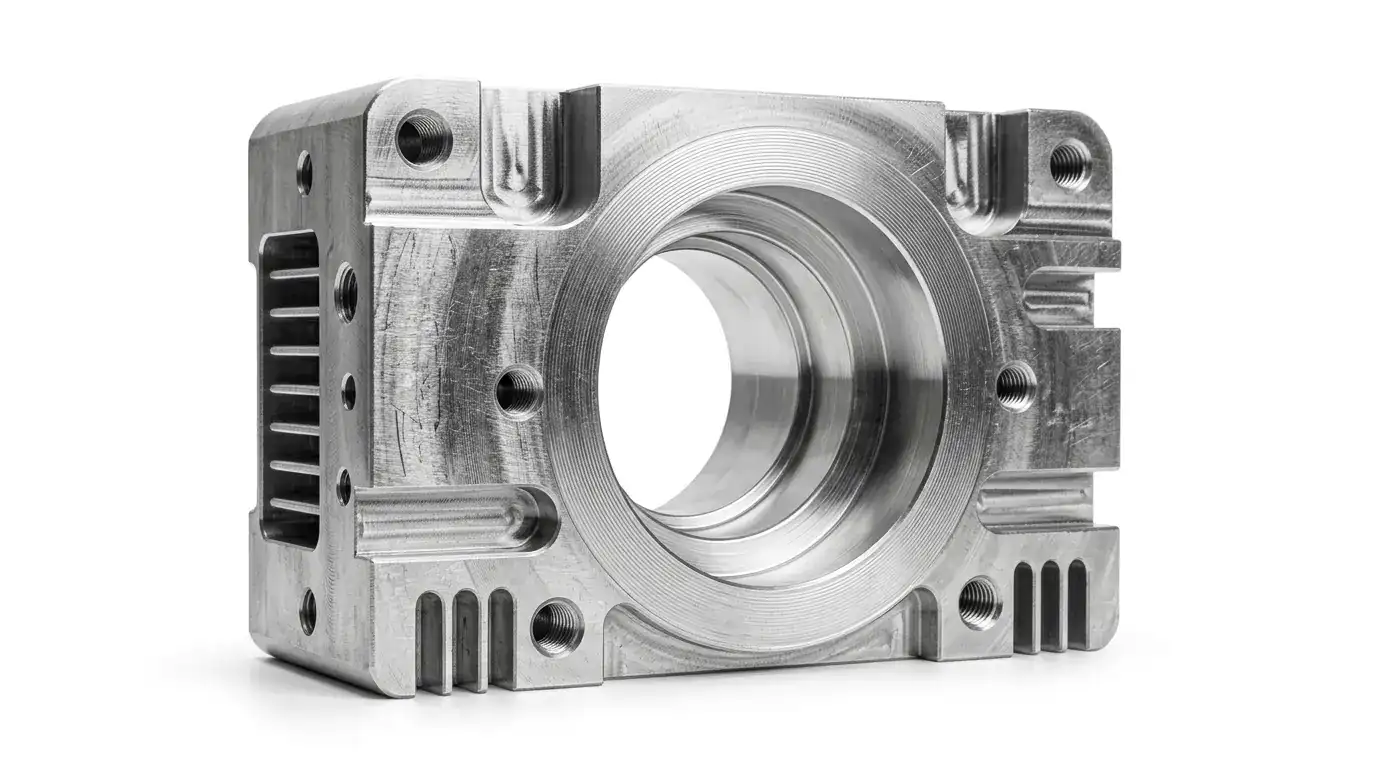
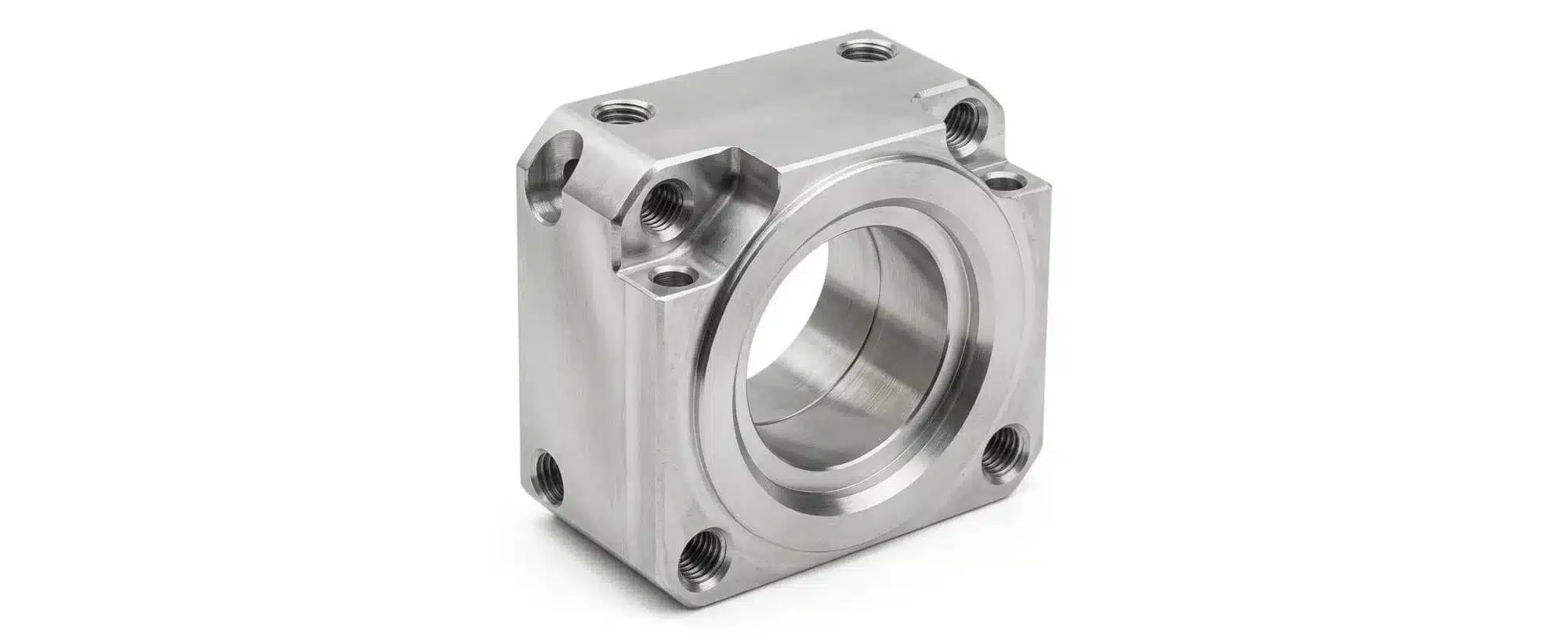
Take a bearing housing as an example. The bore may need tight diameter control, roundness, surface finish, and perpendicularity. If the bore is too loose, the bearing can shift. If it is too tight, assembly becomes difficult. If the bore is slightly angled against the mounting face, the shaft may not run true. That small error can later show up as heat, noise, vibration, or early wear.
But the outside length, width, or overall height may not need that same level of tightness. Maybe those features only help the operator handle the part. Maybe they only clear a bracket with several millimeters of space. In that case, applying the tightest tolerance everywhere does not improve the product. It only adds setup time, inspection time, offset checks, and scrap risk.
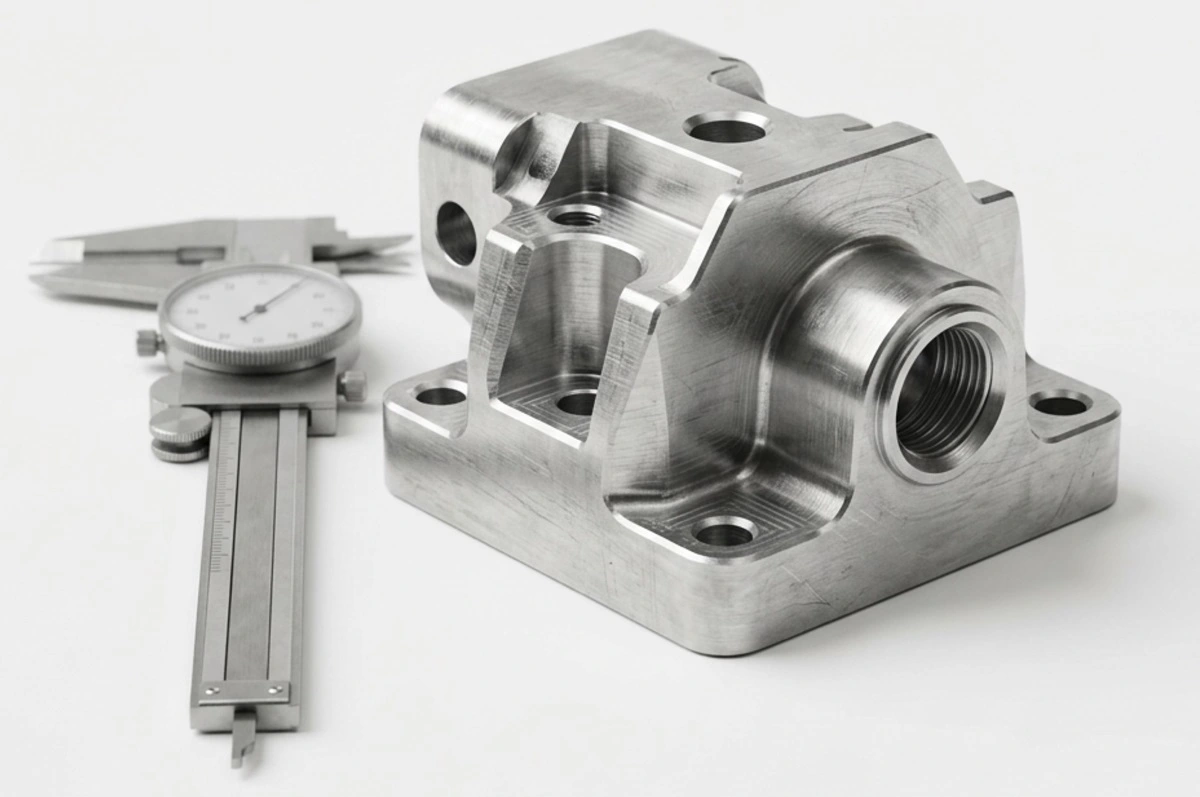
This is where many RFQs become expensive for the wrong reason. A drawing may call out ±0.01 mm on ten dimensions when only two actually control fit or motion. The machinist then has to treat every side face, pocket, and cosmetic edge like a critical feature. Inspection may move from quick caliper checks to CMM reports. Much of that effort adds no functional value.
A smarter question is feature-oriented: does this dimension control fit, motion, sealing, alignment, or safety? If yes, precision is called for. If not, standard tolerances may do the job well. This approach protects performance without paying for unnecessary tightness. It also makes communication with precision CNC machining services much cleaner because the supplier can see what truly matters.
Datum choice is another detail buyers often miss. A tight tolerance means little if the drawing does not show which surface is the reference. For a bearing housing, the bore may need to be controlled against the mounting face, not a random outside wall. That difference affects clamping, machining, and inspection.
This matters even more in custom CNC machining, where the part may not follow a standard catalog pattern. The buyer knows the part’s function. The machinist knows how tolerance, tooling, material movement, and inspection time interact. When both sides talk early, the drawing usually gets better.
For prototype CNC machining, the balance can shift again. Sometimes a prototype needs tight tolerances only on one interface, while the rest can be relaxed to save time. Other times, the prototype must copy production intent because the test result depends on exact fit.
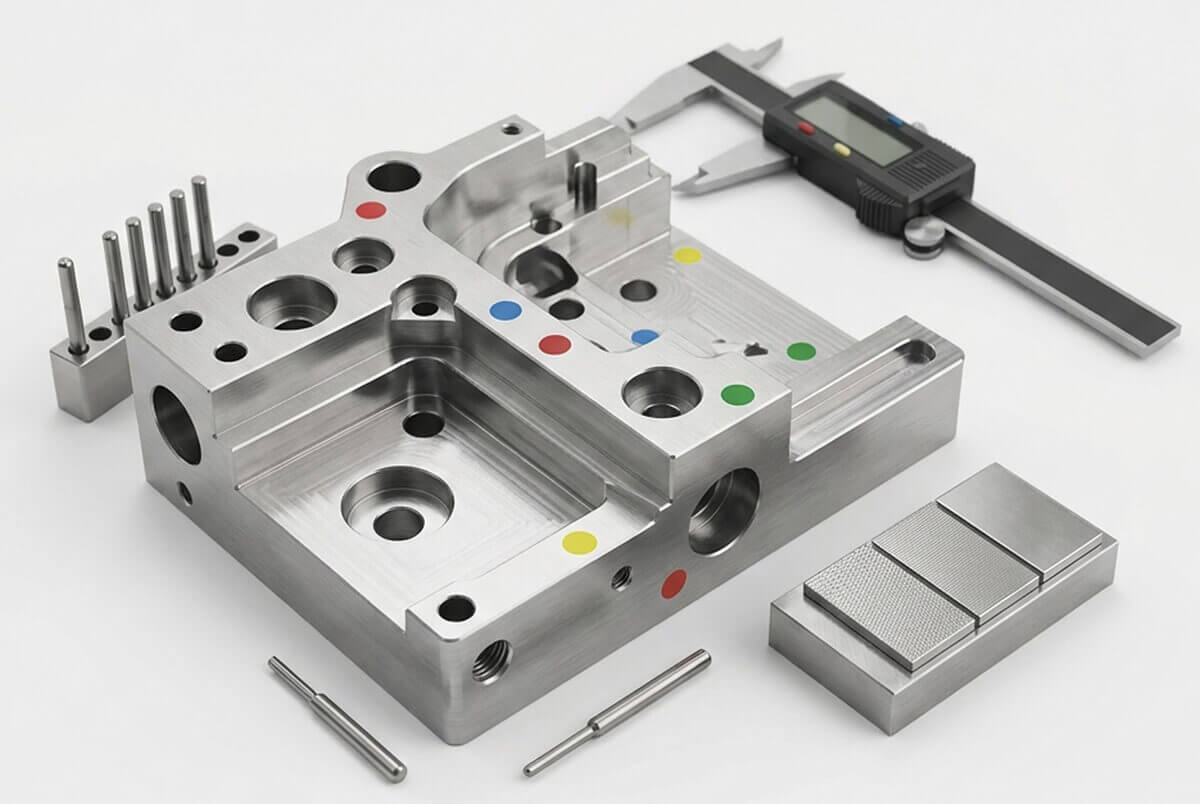
A useful habit is to mark critical-to-function features during RFQ preparation. If the bore, seal groove, thread position, or mating face matters most, say so. If a cosmetic edge has room to vary, say that too. A simple RFQ checklist for precision CNC machining can prevent a lot of back-and-forth.
Tiny tolerance errors can still be expensive when they land in the wrong place. That is why it is worth understanding Why tiny tolerance errors cause expensive assembly failures. The goal is not to loosen everything. The goal is to tighten the right things.
Strong suppliers do not machine every feature to the smallest number on the drawing. They separate critical features from non-critical ones. They balance function, process capability, inspection effort, and cost.