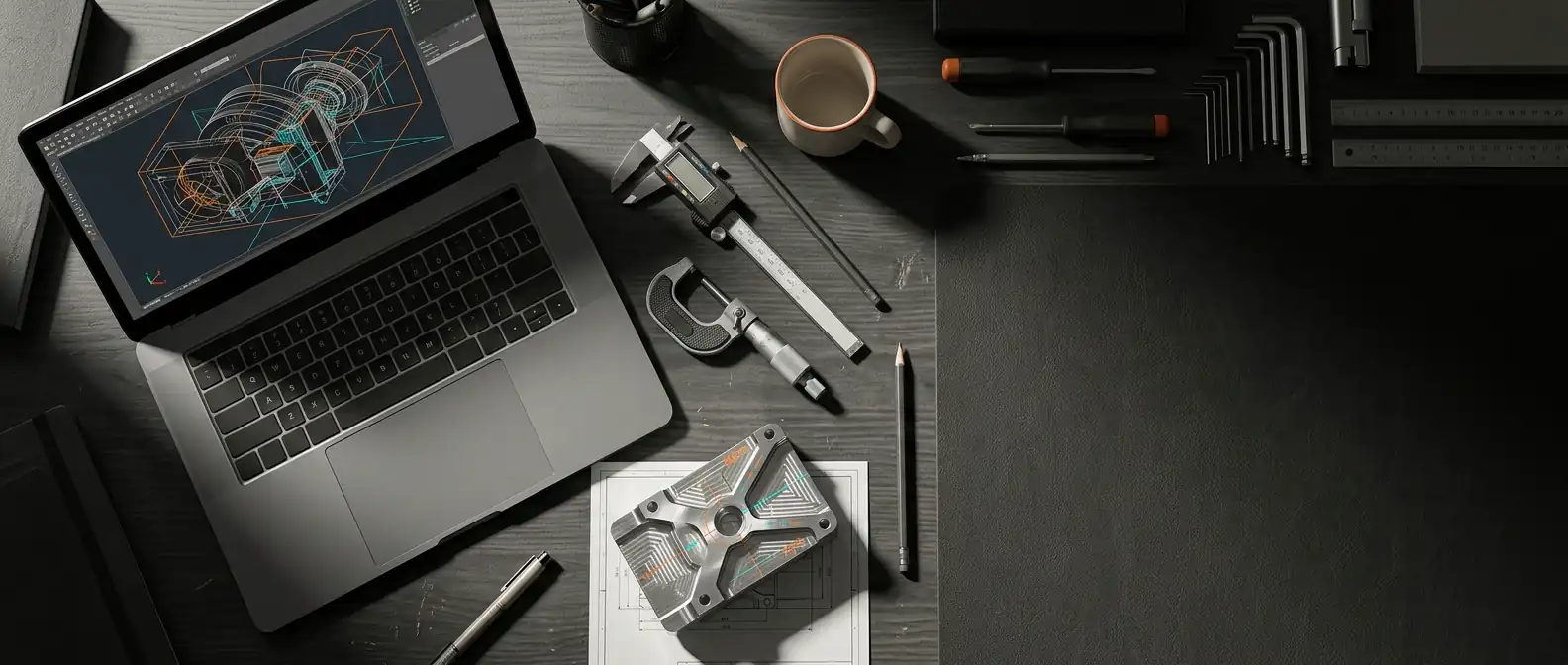
What Is Machining Precision Really Controlled by …
Most CNC precision problems are not caused by the machine alone. This article explains why datum strategy, fixturing, material stress, geometry, tool wear, inspection alignment, and post-processing often decide whether a machined part actually holds tolerance in assembly.
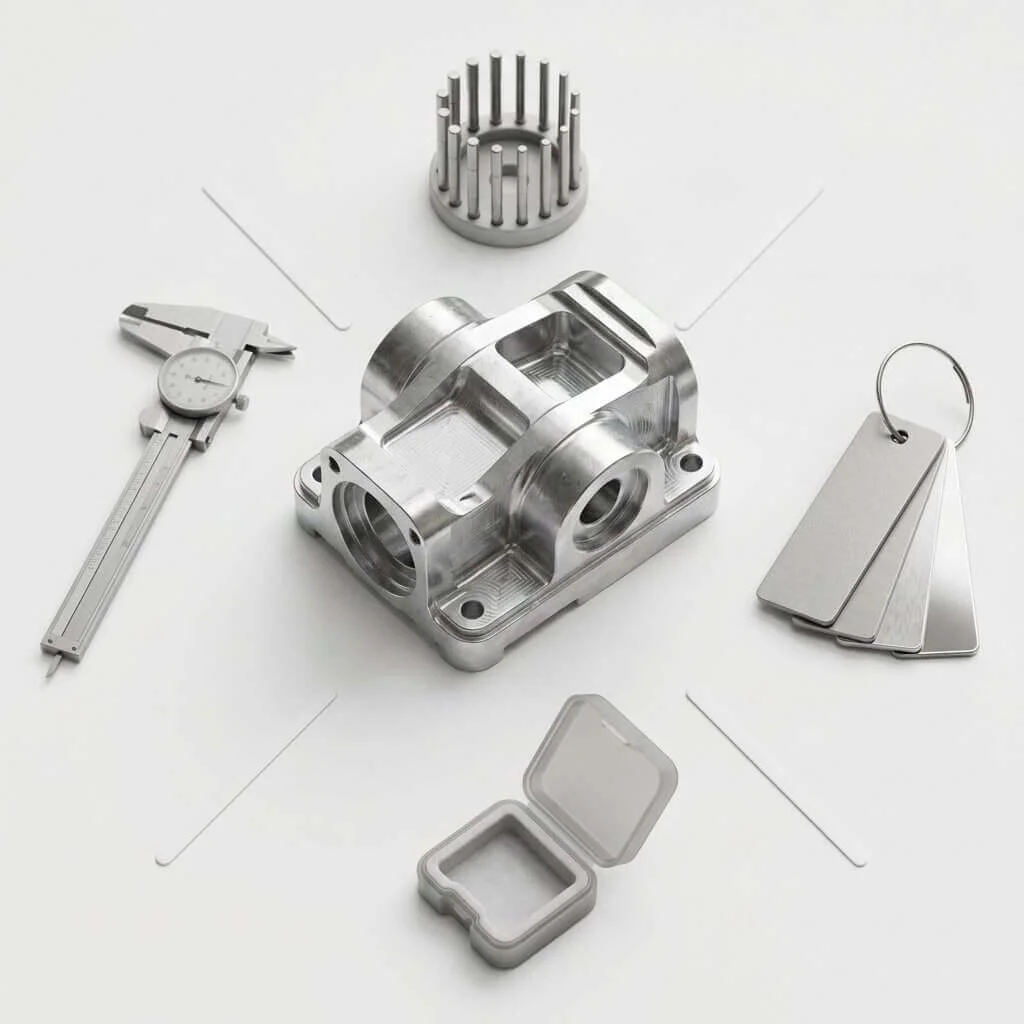
When Precision Machining Is Necessary
Excerpt Option 1
Precision CNC machining becomes necessary when a feature directly controls assembly behavior or when finishing processes can change final geometry. This article explains where tight tolerance matters, what can go wrong, and how to judge precision by function instead of appearance.
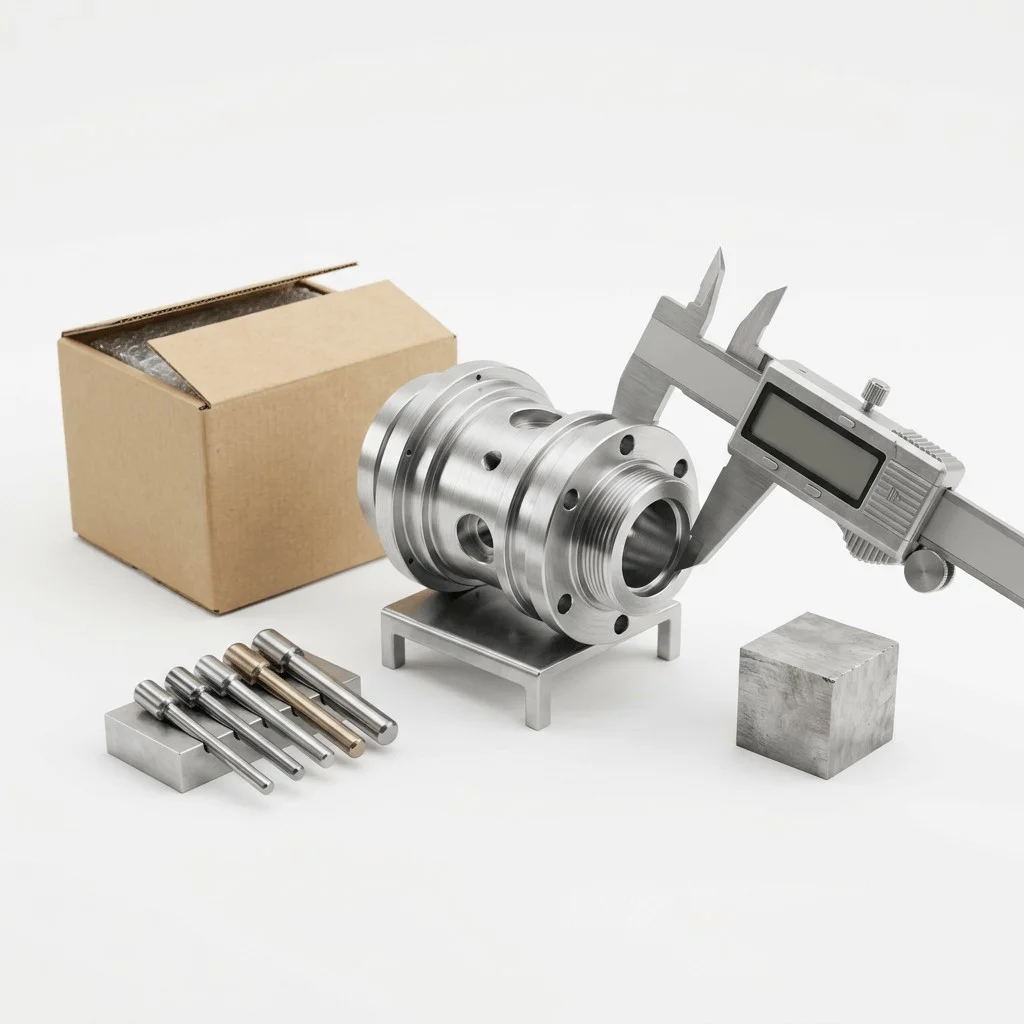
When Precision Machining Is Necessary
Precision CNC machining is necessary when specific features control assembly performance or when finishing processes can change final geometry. This guide explains where tight tolerance matters and why precision should be applied by function, not appearance.
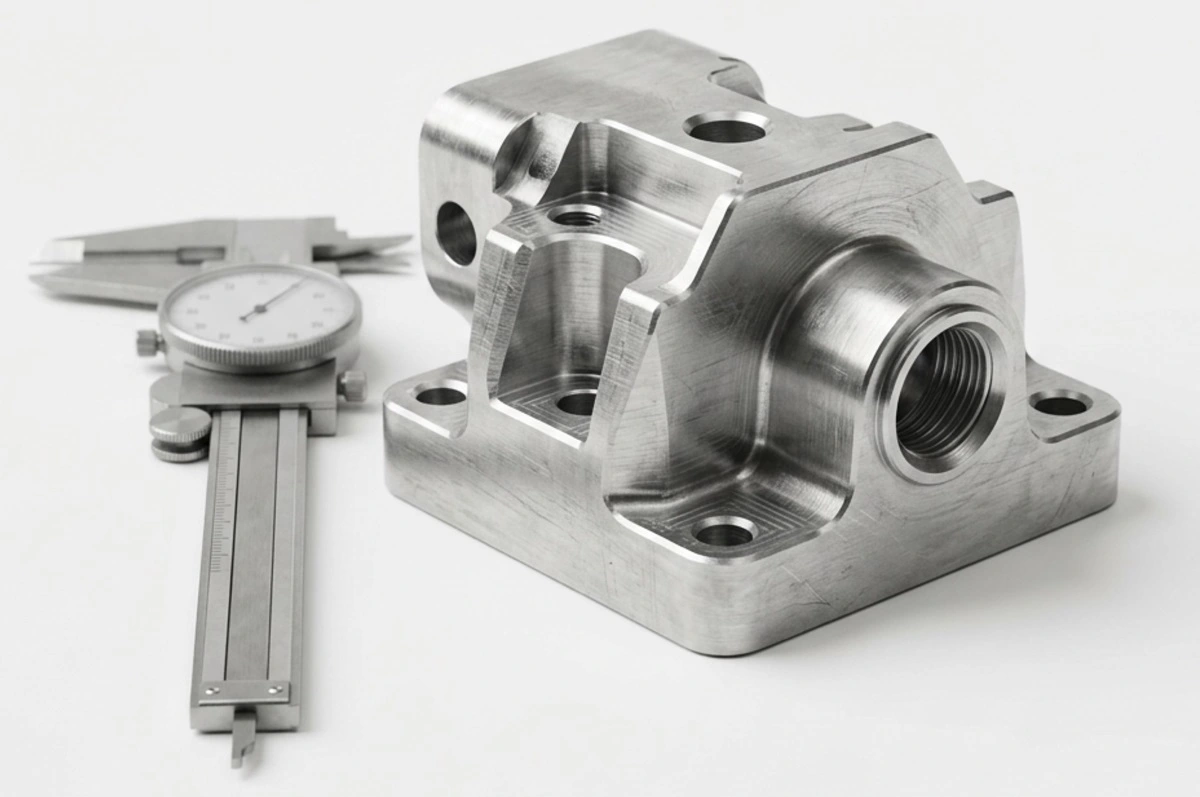
Precision vs Standard: Use Both, Not One Everywhere
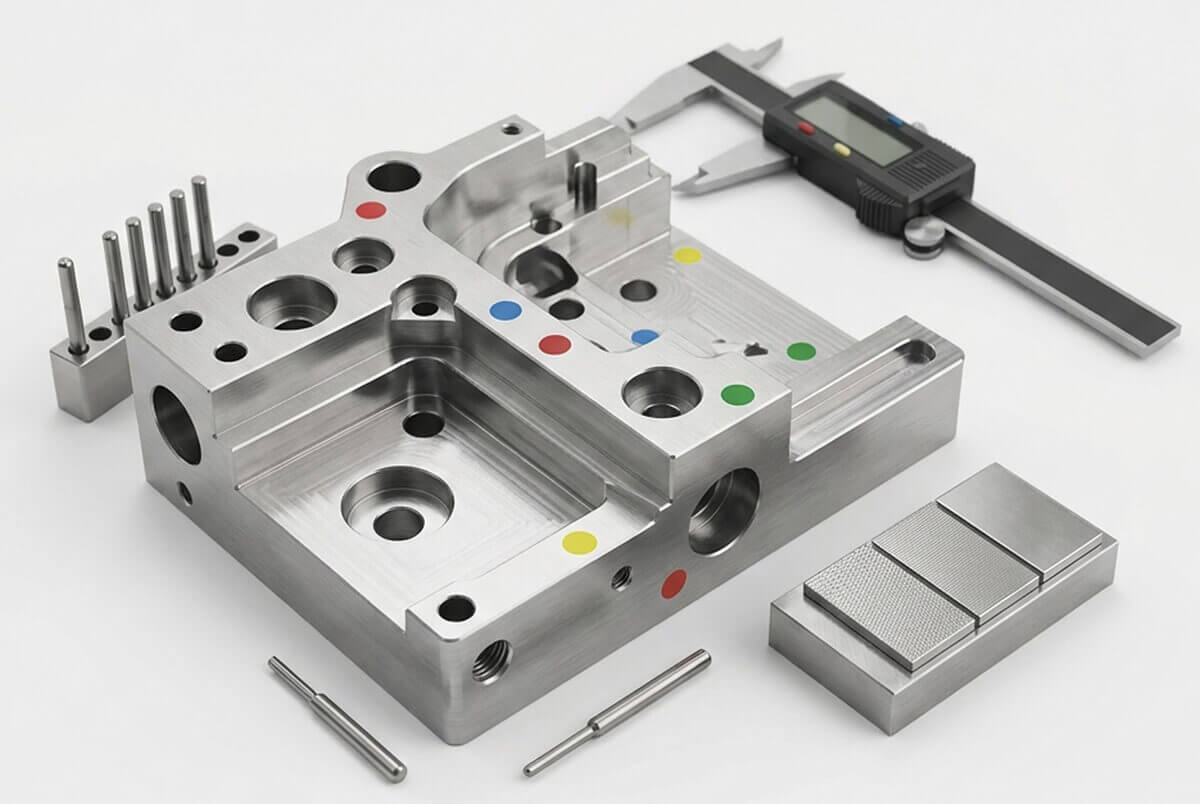
Precision CNC machining and standard CNC machining are not opposites. The best manufacturing strategy often uses both on the same part: tight control for features that affect fit, motion, sealing, alignment, or safety, and standard tolerances for non-critical surfaces that do not change product performance.
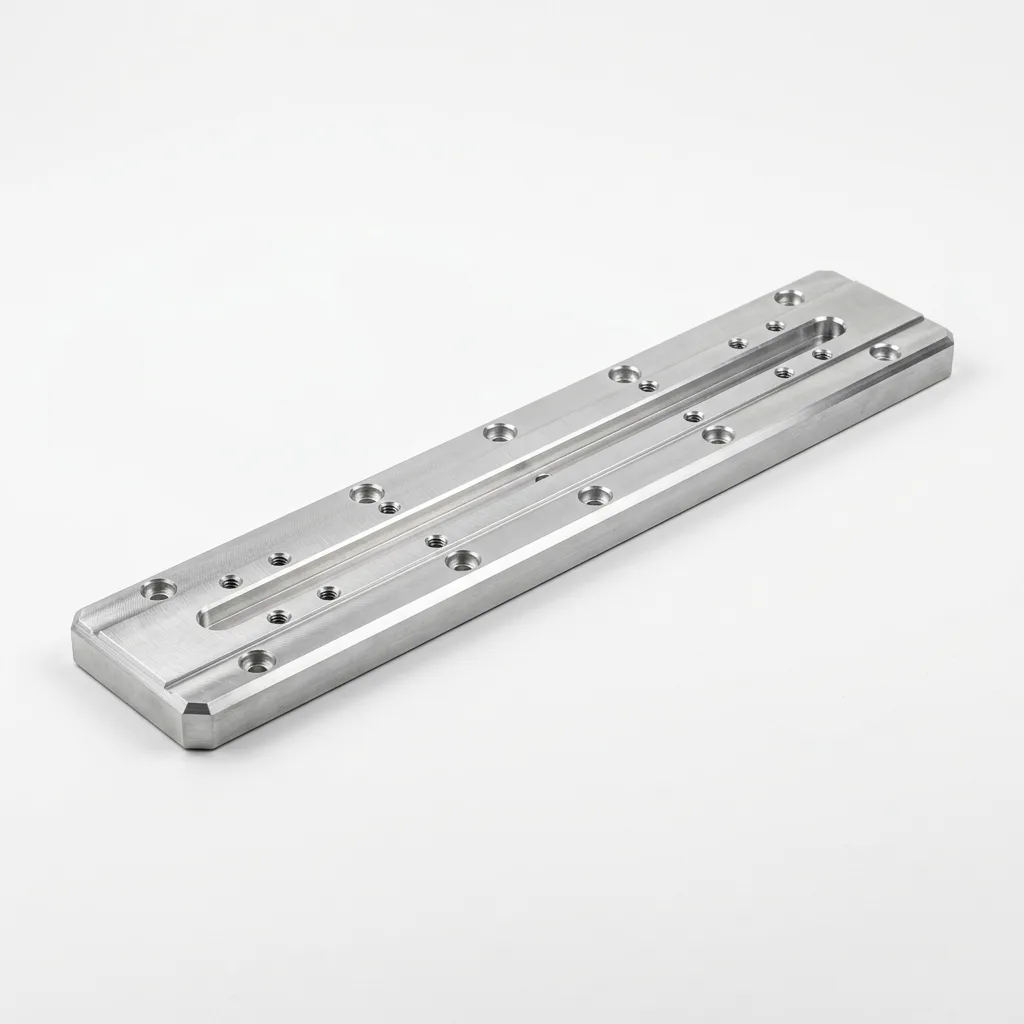
CNC Machining RFQ Checklist: What Serious Buyers Verify Before They Trust a Quote
1. Practical CNC machining RFQ checklist for serious buyers: what to include, what suppliers assume, and what to verify before trusting a quote.
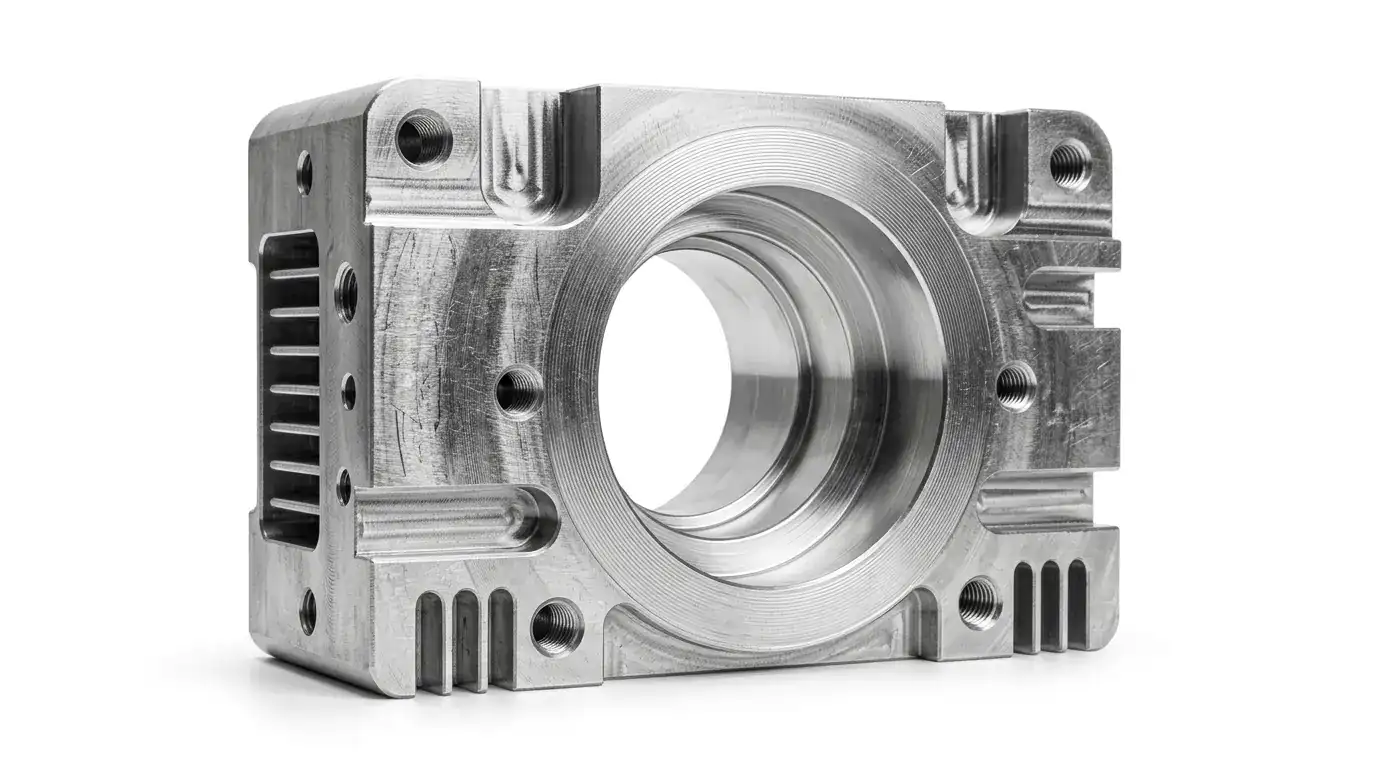
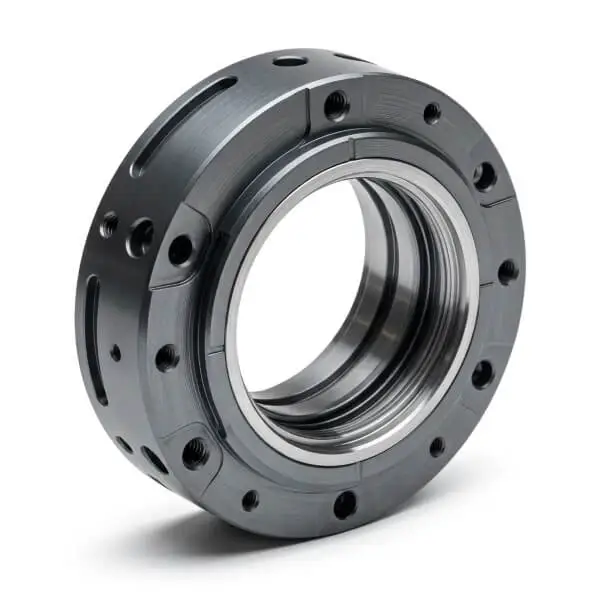
Why One Bore Can Stop a Production Line?
One bore looks trivial on a drawing.
In production, it can be the stumbling block feature in the whole part.
I’ve seen teams spending weeks on which machine to choose, spindle hours, even coating.
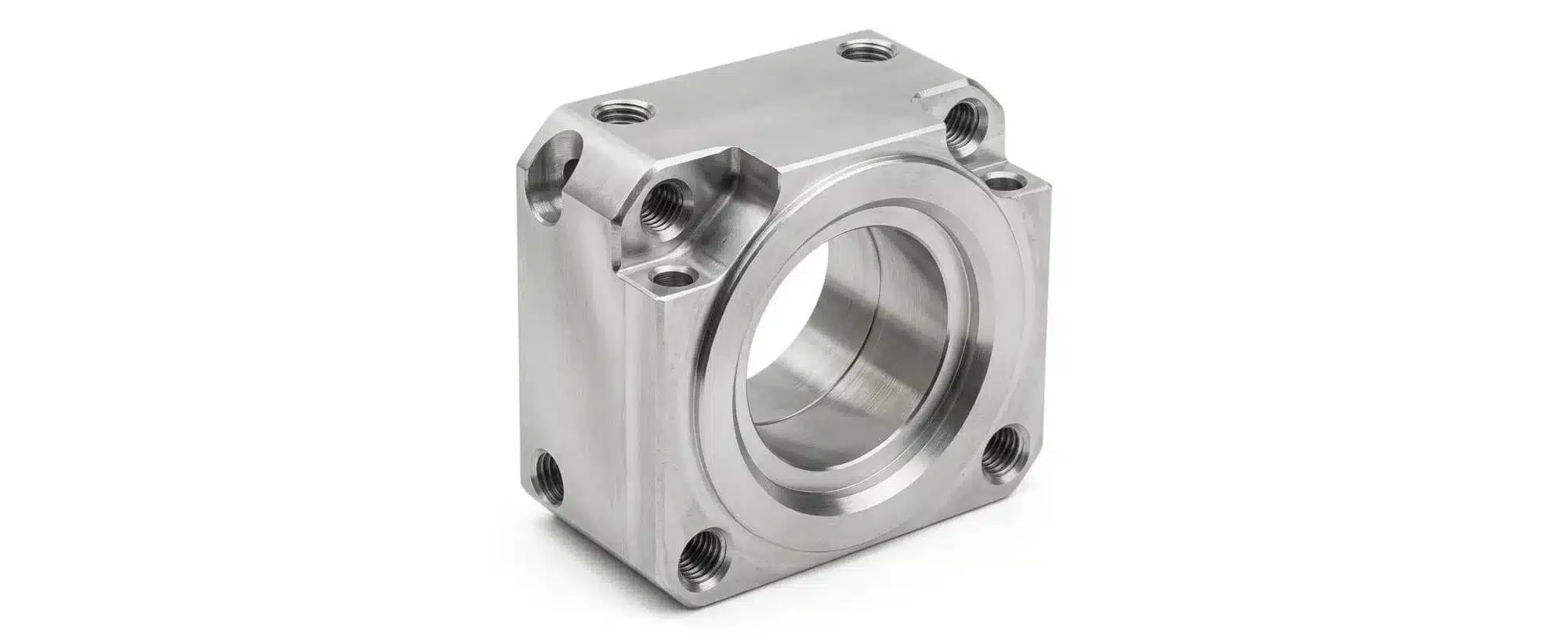
Why Tiny Errors Cause Big Problems?
In a critical assembly, a part might look to be clean, shiny, and visually perfect, but fail when it goes into real work.
Precision Is Defined by Function, Not by a Fancy Machine
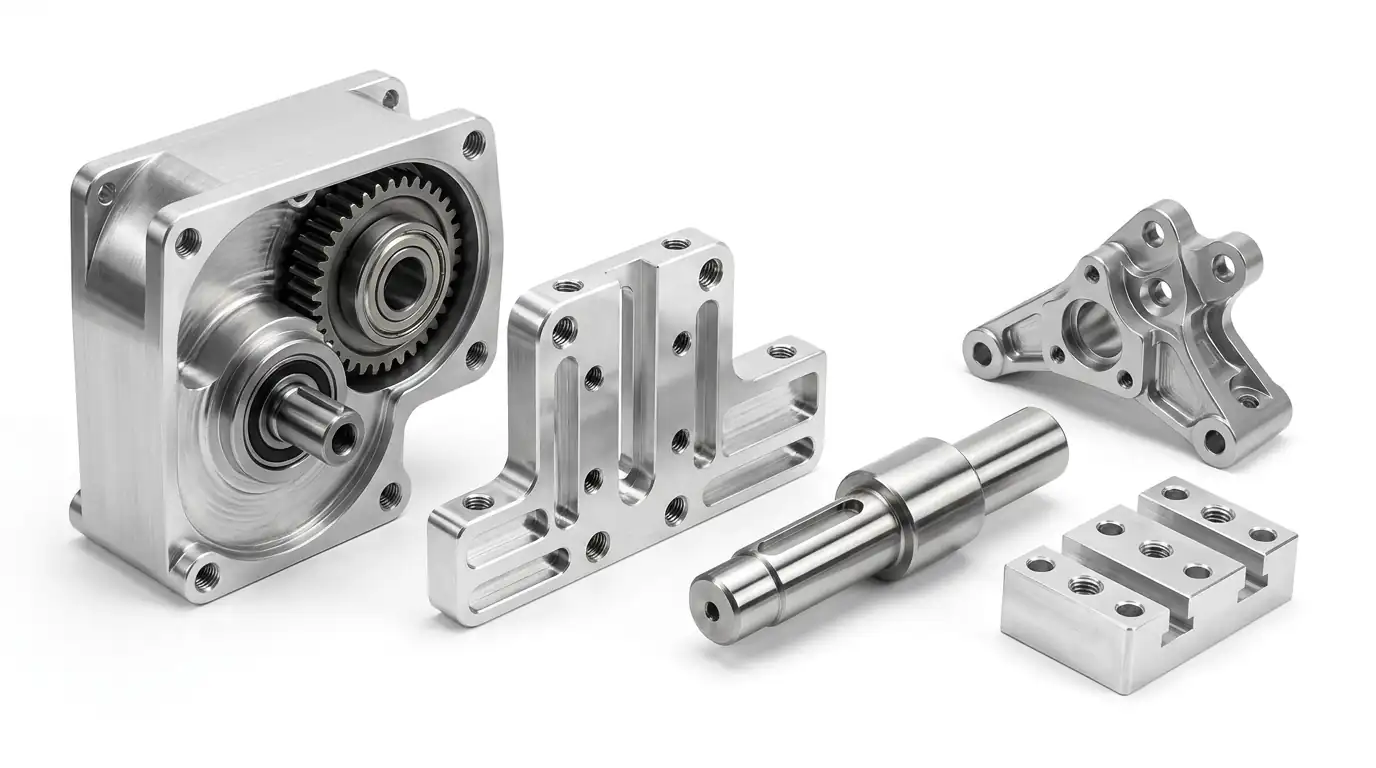
Precision CNC machining might be regarded as using a better machine to cut out tighter measurements. That seems to be logical, but it’s one-sided and misses the actual truth.
Precision CNC Machining: Most Buyers Ask the Wrong Question
Precision CNC machining is not defined by the tightest tolerance. Learn how fit, motion, alignment, materials, and inspection determine real-world precision and cost.
What Is Machining Precision Really Controlled by …
Most CNC precision problems are not caused by the machine alone. This article explains why datum strategy, fixturing, material stress, geometry, tool wear, inspection alignment, and post-processing often decide whether a machined part actually holds tolerance in assembly.
When Precision Machining Is Necessary
Excerpt Option 1
Precision CNC machining becomes necessary when a feature directly controls assembly behavior or when finishing processes can change final geometry. This article explains where tight tolerance matters, what can go wrong, and how to judge precision by function instead of appearance.
When Precision Machining Is Necessary
Precision CNC machining is necessary when specific features control assembly performance or when finishing processes can change final geometry. This guide explains where tight tolerance matters and why precision should be applied by function, not appearance.
New to CNC? Start Here
This path is designed for progress: learn the basics, apply a DFM checklist, then validate cost + tolerance risk before production.
Know which features drive setups, tool reach, and inspection effort.
Catch deep pockets, sharp corners, thin walls, and unreachable faces.
Estimate cost with setups, batch size, and finish—then optimize.
Decide which features deserve tight tolerances—and which don’t.
Download Tools That Make Your Next RFQ Smoother
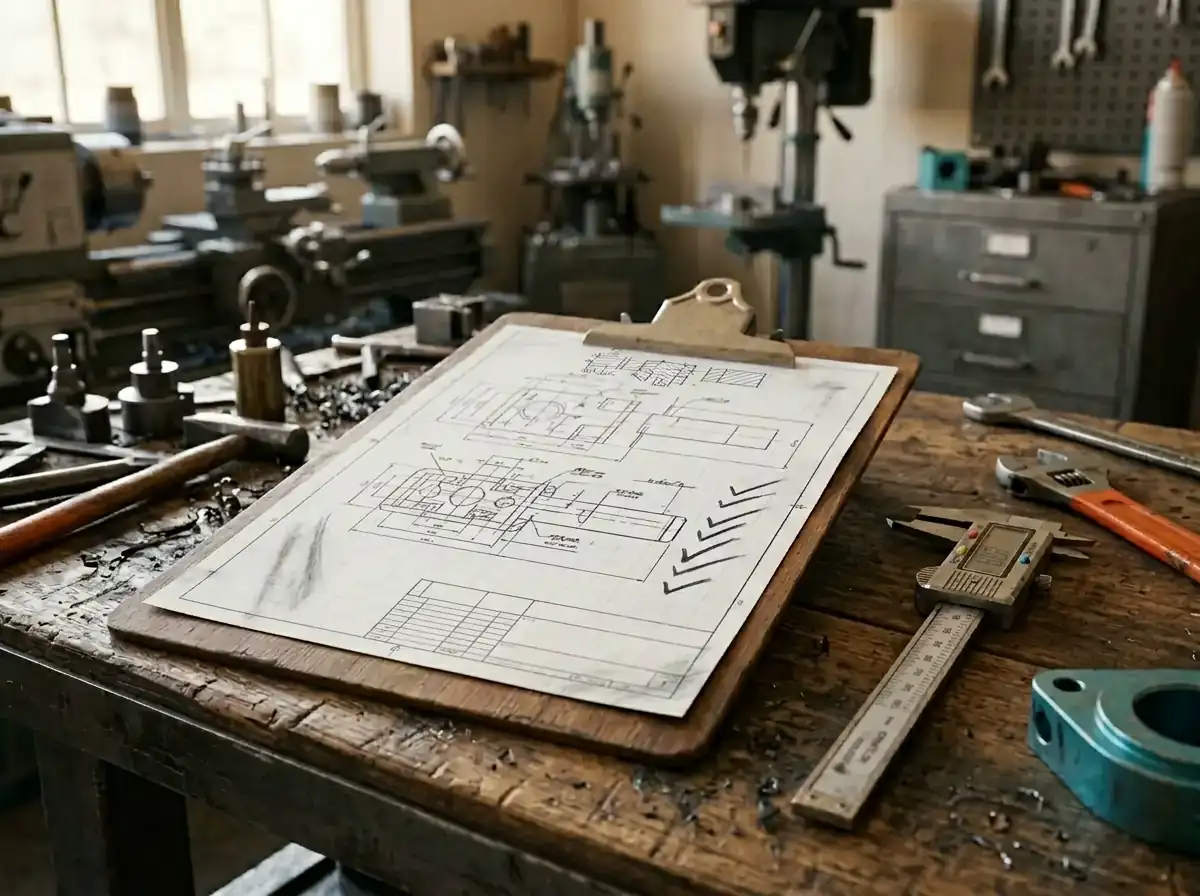
Built for real workflows—CAD handoff, drawing notes, and risk control. Use them internally, or attach them to your RFQ.
Pocket depth, radii, wall thickness, tool access, finish zones.
Standard vs custom, pre/post finishing notes, inspection hints.
A one-page checklist for what to send: CAD, drawing, quantity, finish.
Design changes that move price without breaking function.
Want these tailored to your internal standards? We can build a project-specific checklist as part of your first order onboarding.
Upload Your CAD → Get DFM + Cost + Risk Review
If you’re looking for precision CNC machining services, speed comes from clarity. Send your CAD and mark what matters. We’ll respond with a focused manufacturability review.
What You’ll Get
A fast de-risking snapshot.
- DFM notes (setups, tool reach, geometry risks)
- Cost levers (what changes actually move price)
- Tolerance + inspection risk flags
What To Send
So we can quote accurately.
- STEP/IGES + drawing for critical features
- Material + finish + quantity
- Which faces are functional/cosmetic