



Why Magnesium for CNC Machined Components
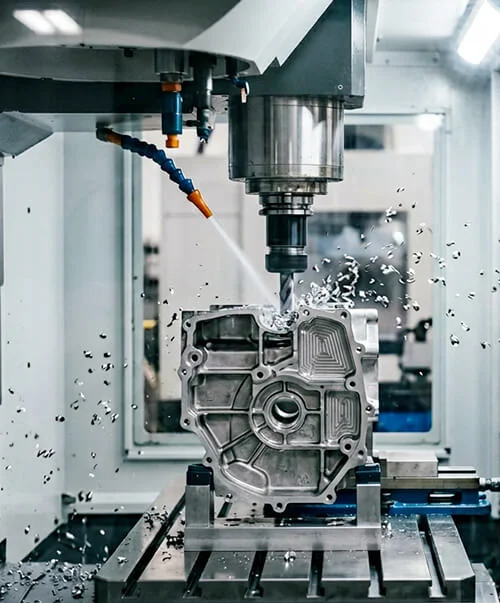
Magnesium is chosen when you need maximum weight reduction without moving to composites. As the lightest commonly used structural metal, it enables rigid housings, brackets, and frames with excellent vibration damping—helpful in aerospace, robotics, portable equipment, and performance vehicles. But great outcomes require process discipline: magnesium chips and dust are readily ignitable, and corrosion protection often depends on the right finish. Batnon’s magnesium cnc machining services are built around safety-first chip management, stable datums, and finish-aware tolerancing so you can achieve precision magnesium machining at competitive cost.
Lightweight Advantage
Industry references cite magnesium’s specific gravity at about 1.74, making it the lightest commonly used structural metal—ideal for housings and brackets where grams turn into battery range, payload, or ergonomic comfort.
Machinability (With the Right Plan)
Magnesium alloys are widely described as having excellent machinability, which can support fast cycle times. The key is planning for safe chip size and consistent edge quality—especially on thin walls and pocketed geometries.
Performance + Safety Together
Magnesium machining safety (Class D) is part of quality. A good process avoids dust, controls chip accumulation, and keeps ignition sources away—so your cnc machining magnesium parts program scales cleanly from prototype to production.
Magnesium at a Glance (Useful Numbers)
These reference values help early selection and DFM. Exact properties vary by alloy and product form; we confirm with material certifications when required.
- Specific gravity (Mg): ~1.74 (NADCA magnesium alloy guidance).
- Density (Mg metal): 1.737 g/cm³ at 20 °C (widely cited reference value).
- AZ91D (cast alloy): density reported as 1.81 g/cm³, noted for excellent castability and corrosion resistance (AZoM).
- Machinability: NADCA notes magnesium alloys exhibit the best machinability of commonly used metal alloy groups, while also noting machining/grinding requires special precautions.
Citations: NADCA Magnesium alloy guide (specific gravity + machinability statement); AZoM AZ91D alloy summary; general magnesium density reference.
Magnesium Alloys We Machine
In custom magnesium machined parts, alloy and product form (wrought plate/extrusion vs cast) drive stiffness-to-weight, machinability, corrosion behavior, and the finishing route. Start with your use case—electronics housings, aerospace brackets, robotics components, or lightweight automotive structures—then we map the right alloy and process so you get consistent dimensions and predictable cost.
| Best For | Material Form | Machining Notes | Typical Parts |
|---|---|---|---|
| Lightweight structural parts from wrought stock | Plate, sheet, extrusion | Great for pocketed housings and stiffness-driven ribs; DFM focuses on wall stability and clean edge break | Electronics housings, brackets, frames, robotic components |
| Best For | Supply Chain | Machining Notes | Typical Parts |
|---|---|---|---|
| Cast-driven parts needing castability + corrosion resistance | Die casting ecosystem | Useful for housings and covers; machining targets datums, threaded features, sealing faces, and assembly bores | Covers, housings, handheld tool bodies, automotive components |
| Best For | Toughness | Machining Notes | Typical Parts |
|---|---|---|---|
| Impact/toughness-focused die cast parts | Higher ductility than high-strength cast grades | Good choice when drop/impact loads matter; keep fillets and avoid sharp section changes for durability | Automotive brackets, housings, structural castings with machined datums |
| Best For | High Performance | Machining Notes | Typical Parts |
|---|---|---|---|
| Premium performance applications | Aerospace and specialty components | Selected when elevated performance is needed; plan finish/coating and inspection around the true CTQs | Aerospace brackets, high-end motorsport parts, specialty housings |
Alloy Selection Snapshot
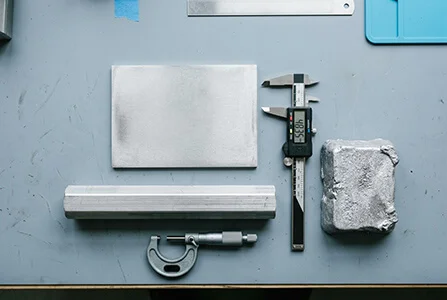
Start with product form: wrought AZ-series alloys for pocketed housings and brackets; cast alloys like AZ91D/AM60 when casting is the primary supply route and machining defines the critical datums.
Chip Control = Safety + Quality
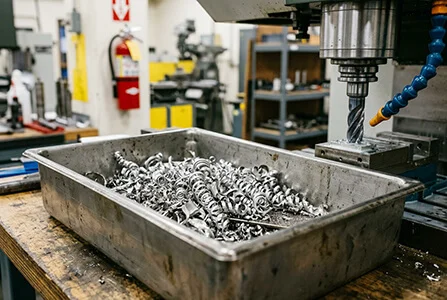
Dust is the hazard. Process plans aim for heavier chips, sharp tools, and clean chip evacuation to reduce ignition risk and improve edge quality.
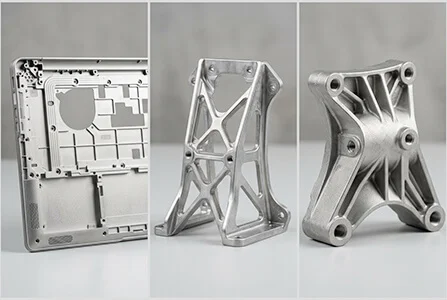
Where Magnesium Wins
Electronics housings, aerospace brackets, and lightweight structural parts benefit from magnesium’s weight advantage—when stiffness, finish, and corrosion needs are engineered together.
AZ31B vs AZ91D (Quick Rule)
If your part starts from plate/extrusion and you’re optimizing stiffness-to-weight, start with AZ31B magnesium machining. If your program is casting-driven and you’re machining datums, threaded features, and sealing faces on a cast part, AZ91D magnesium machining is a common route. Either way, plan corrosion protection early—coatings are often used when environments are corrosive.
- AZ31B: wrought stock, pocketed housings, lightweight brackets
- AZ91D: die castings, housings/covers, castability + corrosion resistance
- AM60: cast parts where ductility/impact matters
- WE43: premium applications; plan finish + inspection carefully
Our Capabilities for Magnesium CNC Machining
We support magnesium CNC milling and magnesium CNC turning for prototypes and production. Our process planning is built around (1) stable workholding for thin walls, (2) chip evacuation and housekeeping, and (3) coating-aware tolerancing—so you receive cnc machining magnesium parts that assemble cleanly and stay cost-competitive.
Thin-Wall Milling + Pocketing
Lightweight housings and frames with ribs/bosses—optimized to protect wall stability, minimize chatter, and reduce edge burr.
Precision Turning
Critical bores, sealing faces, and threaded interfaces—planned to avoid tool dwell and to keep chips manageable for safety.
Secondary Ops + Coatings
Deburr/edge break, bead blast, magnesium anodizing and conversion coating coordination, and paint/powder coat prep—built around your functional surfaces.
DFM Guide: Safety, Thin Walls, and Cost in Magnesium
Magnesium delivers a great strength-to-weight payoff, but DFM must consider both geometry and safe chip handling. The highest ROI typically comes from stiffening ribs, generous radii, fastener standardization, and a process route that avoids creating dust (grinding) whenever possible.
| Design Item | Recommendation | Why It Matters |
|---|---|---|
| Ribs + bosses | Use ribs/bosses to stiffen thin walls; keep smooth transitions and radii | Improves rigidity, reduces chatter, and protects dimensional repeatability on pocketed housings. |
| Edge break intent | Specify “break sharp edges” or controlled chamfer; avoid micro-chamfers | Reduces manual deburr cost; protects cosmetic edges without overworking critical faces. |
| Avoid grinding when possible | Prefer milling/turning strategies over post-grinding; keep chips larger | Dust is more ignitable than large chips; chip-forming machining is safer and more repeatable. |
| Chip evacuation | Design tool access and pockets for chip evacuation; avoid deep, blind chip traps | Chip trapping increases heat, re-cutting, and burr risk; also complicates housekeeping. |
| Coating-aware tolerances | If coating/anodizing is required, identify functional fits and plan allowances/masking | Coatings can change dimensions; planning prevents fit problems after finishing. |
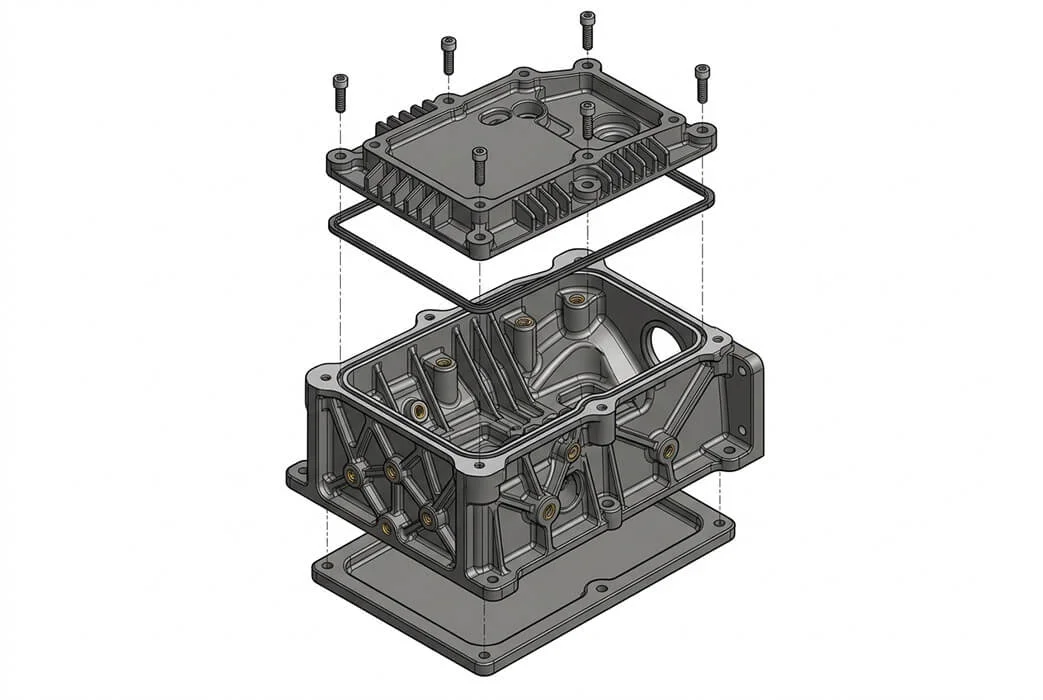
Safety Snapshot (Engineer-Friendly)
Magnesium in finely divided forms (chips, swarf, dust) is readily ignitable. A safe plan focuses on preventing dust, controlling ignition sources, and keeping proper fire suppression resources available.
| Topic | Practical Guidance | Reference Basis |
|---|---|---|
| Fire suppression | Keep a Class D fire extinguisher nearby; avoid water on magnesium fires | Magnesium machining precaution guides commonly call for Class D suppression materials. |
| Coolant choice | Avoid water-based coolants; if needed, use mineral-oil cutting fluids | Machining precaution bulletins recommend avoiding water-containing fluids for magnesium. |
| Chip size strategy | High speeds with heavier feeds/cuts to make heavier chips; avoid tool dwell that creates fines | Machining precaution guidance emphasizes heavier chips to reduce heat and ignition risk. |
| Turning speeds | Guides report turning/boring speeds up to 5,000 ft/min may be appropriate (process dependent) | Magnaloy magnesium machining precautions (turning/boring guidance). |
Sources: International Magnesium Association safety guidance (swarf/dust ignitability + handling principles); Magnaloy “Machining Practices and Precautions” (Class D suppression and machining parameter ranges); NADCA magnesium guide (machining requires special precautions).
Surface Finishes for Magnesium CNC Parts
Magnesium is reactive, so finishes are often part of functional performance—not decoration. Choose a finish that matches your real environment: humidity/salt exposure, handling, cosmetics, and galvanic contact risk with dissimilar metals. In corrosive environments, protective coatings are commonly used to control corrosion of magnesium alloys.
| Finish | What It Does | Best For | Notes |
|---|---|---|---|
| As-machined (Ra target) | Controlled toolpath texture | Internal faces, functional datums | Great for cost; define cosmetic faces if you need a uniform appearance. |
| Bead blasted (matte) | Uniform low-glare appearance | Visible housings and covers | Helps hide machining marks; confirm any dimensional sensitivity on fits. |
| Conversion coating | Improves corrosion resistance + paint adhesion | General corrosion protection, paint base | Common on magnesium; coordinate spec and masking for tight fits. |
| Anodizing / MAO (process dependent) | Harder oxide layer; improved wear/corrosion | Wear faces, premium housings | Plan thickness build-up and final dimensions early. |
| Paint / powder coat | Barrier protection + cosmetics | Outdoor/handling exposure | Best when combined with proper pretreatment/coating stack. |
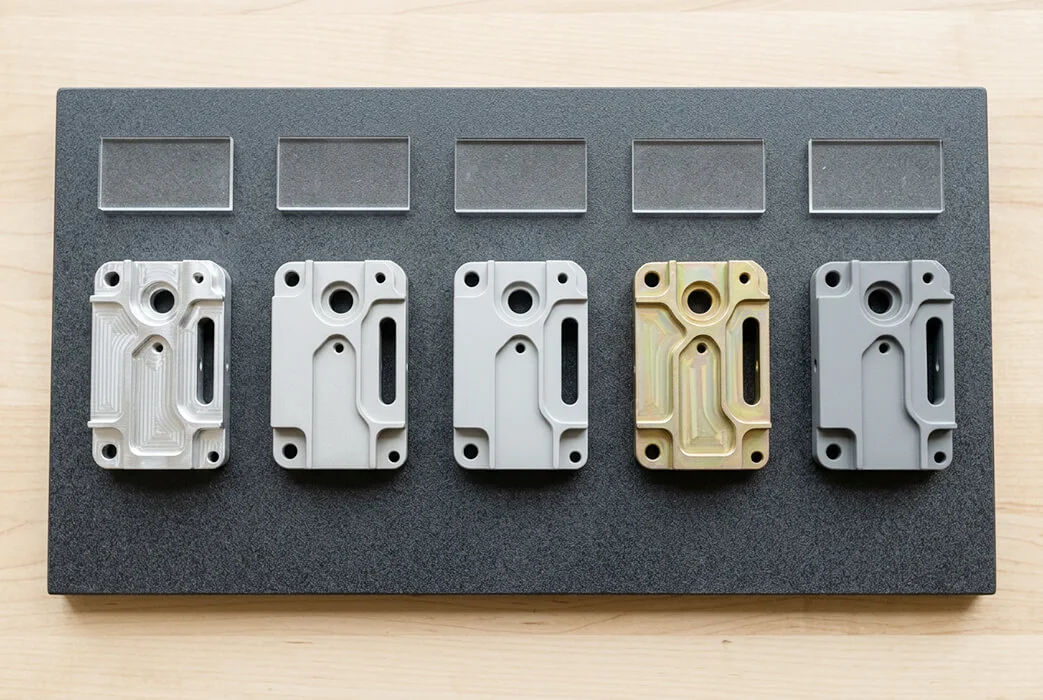
Coating note: NASA corrosion guidance for AZ31B states that in more corrosive environments, a protective coating must be used to control corrosion; coating selection depends on environment and requirements.
Quality Documents for Magnesium Parts
For lightweight housings and structural brackets, quality is measured at the assembly level: fit, flatness, and coating-ready surfaces. We can align inspection and documentation to your CTQs and supplier quality plan.
Material Traceability
Alloy confirmation and material certifications when required (e.g., AZ31B, AZ91D) with lot traceability for controlled programs.
Inspection Evidence
FAI packages, dimensional reports, and CMM/fixture-based measurement tied to critical datums, bores, and assembly interfaces.
Finish / Coating Documentation
Coating/anodizing documentation from approved processors when requested, with masking guidance for fit-critical surfaces.
Case Study: Magnesium Program for Lightweight Housings + Brackets
A customer needed a family of magnesium CNC machined parts spanning a thin-wall electronics housing, an aerospace-style bracket, and a robotics structural component. The goals were weight reduction, precision assembly, and predictable cost. The key was stiffness-aware design, controlled edge break, and an end-to-end chip management plan that avoided dust creation.
| Program Goal | Constraint | Batnon Approach | Outcome |
|---|---|---|---|
| Best part performance at competitive pricing | Thin walls, cosmetic faces, and fit-critical bores | Rib/boss DFM, datum-first machining plan, burr-control strategy, coating-aware tolerances, risk-based inspection | Stable assembly, consistent cosmetics, controlled lead time and cost |
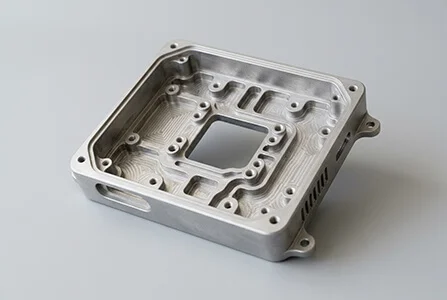
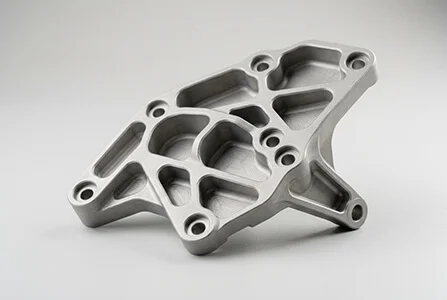
Electronics Housing
Thin-wall pocketing was stabilized with ribs and a controlled edge-break requirement to protect cosmetics and assembly fit.
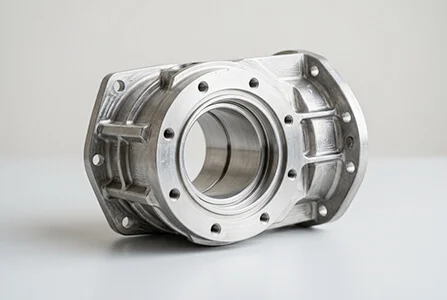
Aerospace-Style Bracket
Fillets and smooth transitions reduced stress risers and improved rigidity while keeping machining cycle time predictable.
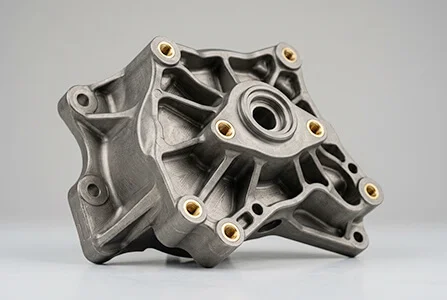
Robotics Structural Component
Critical bores and mounting patterns were measured against CTQs, while non-critical surfaces were optimized for cost.
Lightweight Structural Part
Coating-aware tolerancing kept fit predictable after finishing, supporting repeatable assembly without rework.
What Made It Work (Transferable Lessons)
Magnesium programs win when engineering and manufacturing align on the real CTQs. Competitive pricing came from geometry choices (ribs + radii), a burr-control strategy that reduced handwork, and a safety-focused chip plan that avoided dust creation while improving surface consistency.
- Stiffness-first DFM: ribs/bosses and radii stabilize thin walls
- Edge-break clarity: reduces deburr cost and protects cosmetics
- Coating-aware dimensions: prevents fit surprises after finishing
- Chip management: safer operation + less rework + more predictable cycle time
FAQ: Magnesium CNC Machining
Common questions about AZ31B and AZ91D magnesium machining, safety controls, coolant selection, corrosion protection, and how to keep pricing competitive.
Which magnesium alloy is best for machining—AZ31B or AZ91D?
Pick based on starting form and the true performance gate. AZ31B is a common choice for wrought stock (plate/extrusion) when you want lightweight structural parts and predictable machining. AZ91D is widely used in die castings and is often selected when your supply route is casting-driven and machining defines datums, threads, and sealing/fit features.
Is CNC machining magnesium safe?
Yes—when proper controls are in place. Magnesium chips and dust are readily ignitable, so a safe plan controls ignition sources, keeps tools sharp, manages chip accumulation, and keeps Class D suppression resources available. Dust is more hazardous than larger chips, so process planning aims to avoid creating fines and avoids unnecessary grinding.
Should you use water-based coolant for machining magnesium?
Most machining precaution guides recommend avoiding water-based coolants for magnesium. If a fluid is required, mineral-oil cutting fluids are commonly recommended. The exact plan depends on your part geometry, chip evacuation strategy, and safety requirements.
What finishes are common for magnesium CNC machined parts?
As-machined, bead blasted matte, conversion coatings, anodizing/MAO (process dependent), and paint/powder coat are common. Magnesium is reactive, so coatings are frequently used when parts will see corrosive environments, handling, or cosmetic requirements.
How do you keep magnesium CNC machining services cost-competitive?
We keep costs down by using DFM to reduce setups and handwork: design ribs/bosses for stiffness, avoid fragile thin unsupported walls, standardize fasteners, apply tight tolerances only to CTQ datums/bores, and plan the finishing route (including coating build-up) early.
What should I include to get a fast and accurate magnesium machining quote?
For an accurate quote on precision magnesium machining, include your target alloy (e.g., AZ31B/AZ91D), volume, coating requirements, cosmetic face definition, and the CTQs (datums, flatness, fit bores, and any sealing faces). If safety requirements are specified by your organization, share them early so the process plan aligns from day one.
Magnesium CNC Machining (Global Supply, Local Expectations)
Batnon supports magnesium cnc machining services for engineering teams across North America, Europe, and Asia—shipping prototypes and production parts worldwide. If you’re searching for cnc machining magnesium parts, precision magnesium machining, custom magnesium machined parts, magnesium CNC milling, magnesium CNC turning, AZ31B magnesium machining, AZ91D magnesium machining, magnesium machining safety (Class D), or magnesium anodizing and conversion coating, our quoting workflow is designed for fast engineering alignment: alloy selection, DFM for thin walls and chip evacuation, finish planning, tolerance review, and QA documentation.
- Typical applications: electronics housings, aerospace brackets, robotics components, lightweight structural parts
- Industries served: aerospace supply chain, industrial automation, robotics, consumer electronics, automotive lightweighting
- Common alloys: AZ31B (wrought), AZ91D/AM60 (cast), WE43 (premium)
- Finish options: as-machined Ra targets, bead blast, conversion coating, anodizing/MAO (process dependent), paint/powder coat
- Engineering handoff: DFM for stiffness + chip management, coating-aware tolerances, inspection plan, material/finish documentation
Tip for fast quoting: include alloy + product form, wall thickness targets, cosmetic faces, coating spec, CTQs, and any safety requirements (chip handling rules) so we can lock the process route early.