
Surface finishing for custom machined parts — specified correctly, processed cleanly, delivered with fewer surprises
Batnon supports cnc machining finishing services for buyers who need more than a generic coating list. The right finish affects corrosion resistance, wear life, conductivity, cosmetics, assembly fit, and inspection readiness. This page helps engineers, sourcing teams, and QA teams compare cnc surface finishing services such as anodizing service for cnc machined parts, passivation service for stainless steel machined parts, powder coating for cnc machined parts, chem film, electroless nickel, and as-machined surfaces—so your RFQ is clearer before production starts.
Buyers comparing hard coat anodizing for aluminum CNC parts or electroless nickel plating for machined parts usually want guidance, not just a menu.
Will this finish change dimensions, hide tool marks, keep conductive areas open, or create issues at assembly?
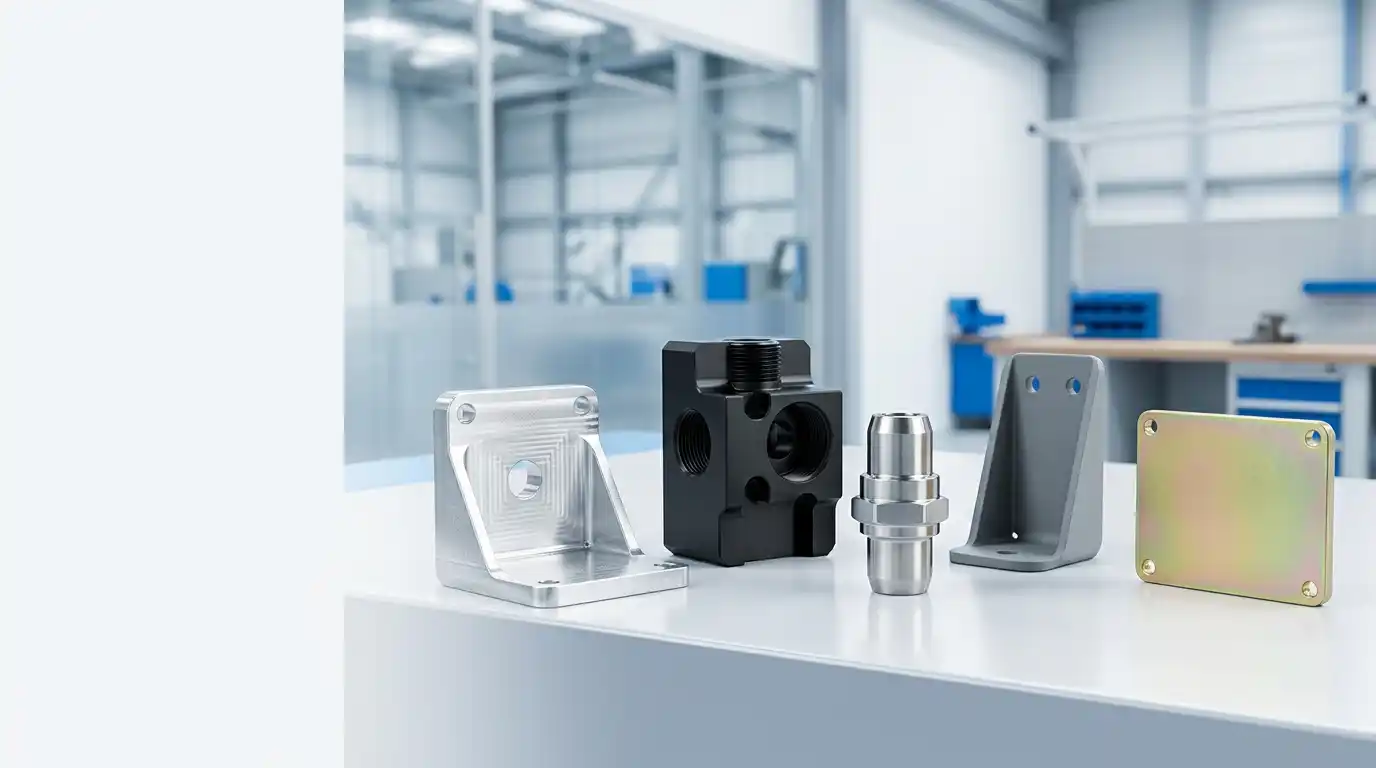
Compare the finish options buyers ask about most
Most RFQs are not delayed because the buyer forgot to ask for a finish. They are delayed because the finish was not matched correctly to the material, environment, tolerance stack, or downstream assembly requirement.
Anodizing
Use anodizing when aluminum parts need corrosion resistance, better wear performance, dyed color, or electrical insulation. Type II is often selected for cosmetic or general protection needs. Type III hard coat anodizing is thicker, harder, and better for more demanding wear conditions. Buyers should still account for dimensional change, masking needs, and visible surface prep quality.
Passivation
Use passivation when stainless steel parts need a cleaner, more corrosion-resistant surface without adding a thick coating. It removes free iron contamination and helps restore the protective oxide layer. It is a practical choice when buyers want corrosion improvement while keeping conductivity and dimensional change under better control than many coatings.
Powder coating
Use powder coating when the priority is cosmetic coverage, strong edge protection, and durable external surfaces on enclosures, frames, brackets, and visible hardware. It can add more thickness than thinner conversion finishes, so threads, bores, grounding faces, and mating features may need masking or extra planning.
Chem film / chromate conversion
Chem film for aluminum machined parts is often selected when corrosion protection is needed but electrical conductivity must still be preserved more effectively than with anodizing. It is especially relevant on housings, brackets, and interfaces where conductive contact or paint adhesion matters.
Electroless nickel plating
Electroless nickel plating for machined parts is often selected where buyers want a uniform metallic finish with strong corrosion and wear resistance across more complex geometry. It can be a better fit than anodize or passivation when performance needs exceed simple cosmetic improvement.
As-machined, bead blast, black oxide, and other baseline options
Not every part needs a complex finish. Some buyers prefer surface finishing for custom machined parts to start with the baseline: as-machined, bead blasted, tumbled, or black oxide where appropriate. The best choice depends on appearance expectations, downstream cleaning, handling, corrosion exposure, and unit economics.
Select by function, not by finish name alone
This helps prevent over-specification, under-specification, and late engineering change requests.
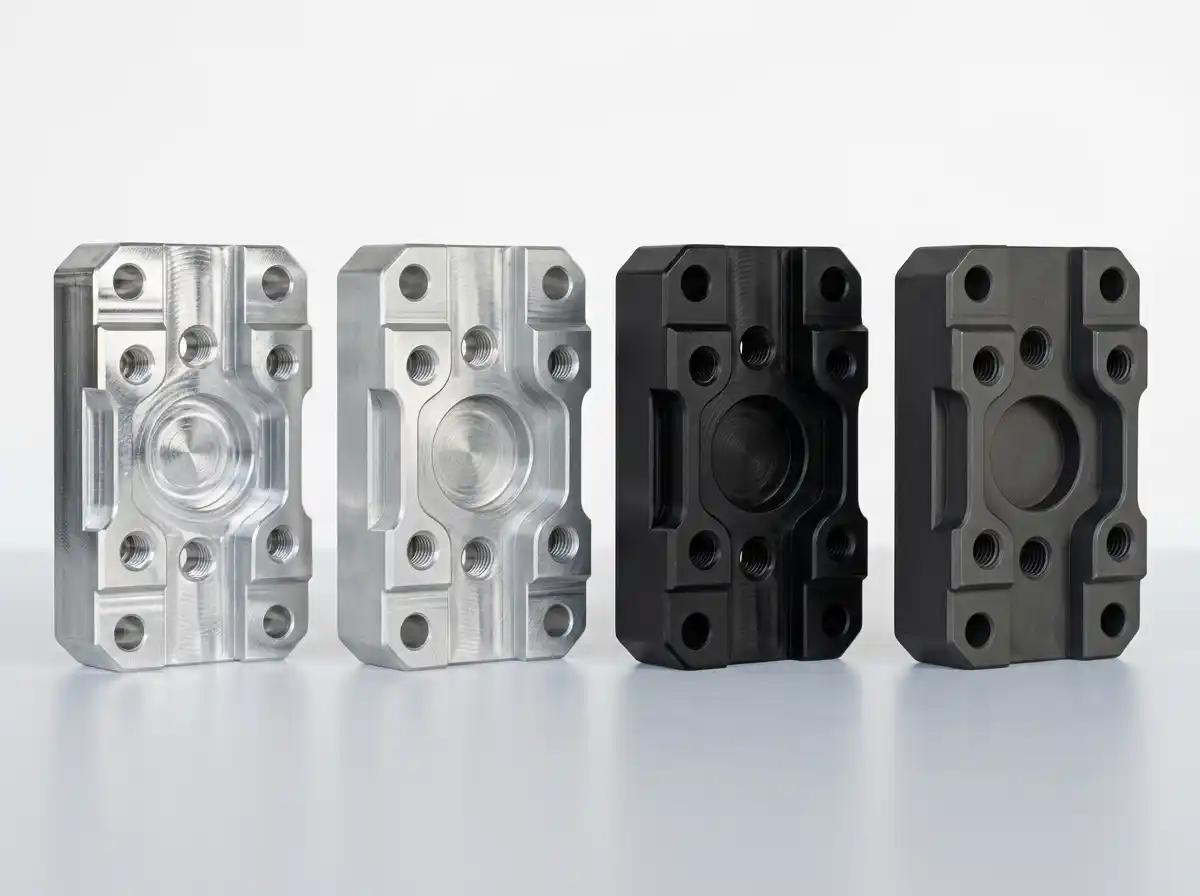
What to confirm before you request a quote
Type II vs Type III anodizing is not just a color or catalog choice. Type III produces a thicker, denser, harder coating and may require more dimensional planning. Passivation improves corrosion resistance on stainless steel without acting like a thick decorative coating. Powder coating is visually powerful and durable, but it can change feature fit, especially on threads, bores, and mating surfaces. A good finishing page should make these tradeoffs easy to understand in buyer language.
What to put on the drawing or RFQ before asking for finishing
This is where conversion improves. Buyers searching cnc machining finishing services near me often need help turning early-stage questions into an RFQ that a supplier can actually quote without multiple clarification loops.
| What to define | Why it matters | Examples |
|---|---|---|
| Finish type and class | Different finish families change corrosion, wear, conductivity, and appearance differently. | Type II anodize, Type III hard coat anodizing, passivation, chem film, electroless nickel, powder coat. |
| Material and alloy | Not every finish behaves the same way on every substrate. | 6061 aluminum, 7075 aluminum, 304 stainless steel, 316 stainless steel, mild steel. |
| Critical masked areas | Threads, bores, contact faces, and grounding pads may need special handling. | Mask tapped holes, keep mating face conductive, protect bearing fit diameter. |
| Cosmetic standard | Visible surfaces and non-visible surfaces may need different expectations. | Define A-side, color expectation, gloss, acceptable rack or contact marks. |
| Inspection / document needs | QA, regulated programs, and customer approval flows often need paperwork. | CoC, FAI, DIR, finish cert references, salt spray requirement, appearance approval sample. |
Standards and documentation buyers often ask about
Official references help buyers align your QA team expectations with supplier communication. For example, MIL-DTL-5541 covers chemical conversion coatings on aluminum and aluminum alloys. ASTM B117 is a widely used salt spray test method for evaluating corrosion resistance of coated and uncoated metallic specimens. Finish pages should explain these standards in plain language without overwhelming non-specialists.
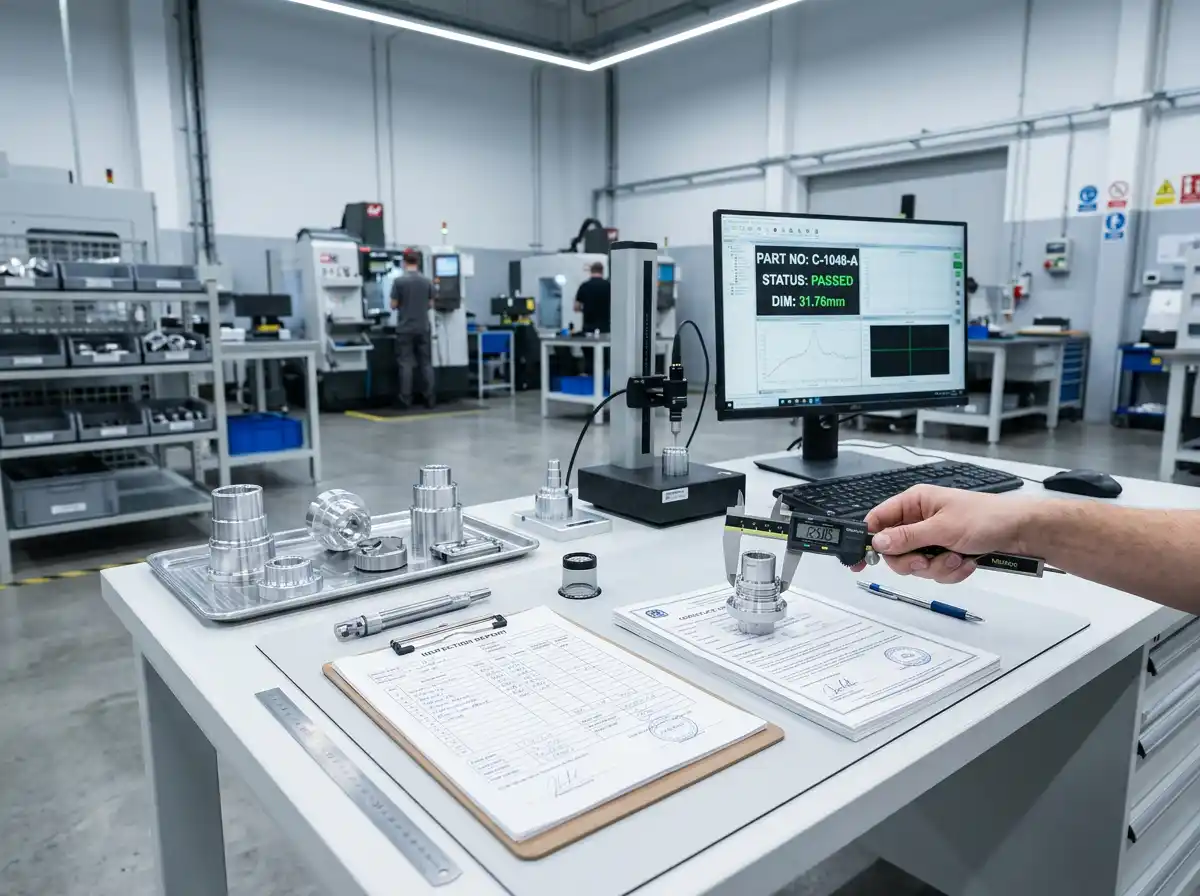
Case section — where finish choice protected function, not just appearance
These examples are original Batnon-style cases, created to mirror the questions buyers actually ask during quoting and approval.
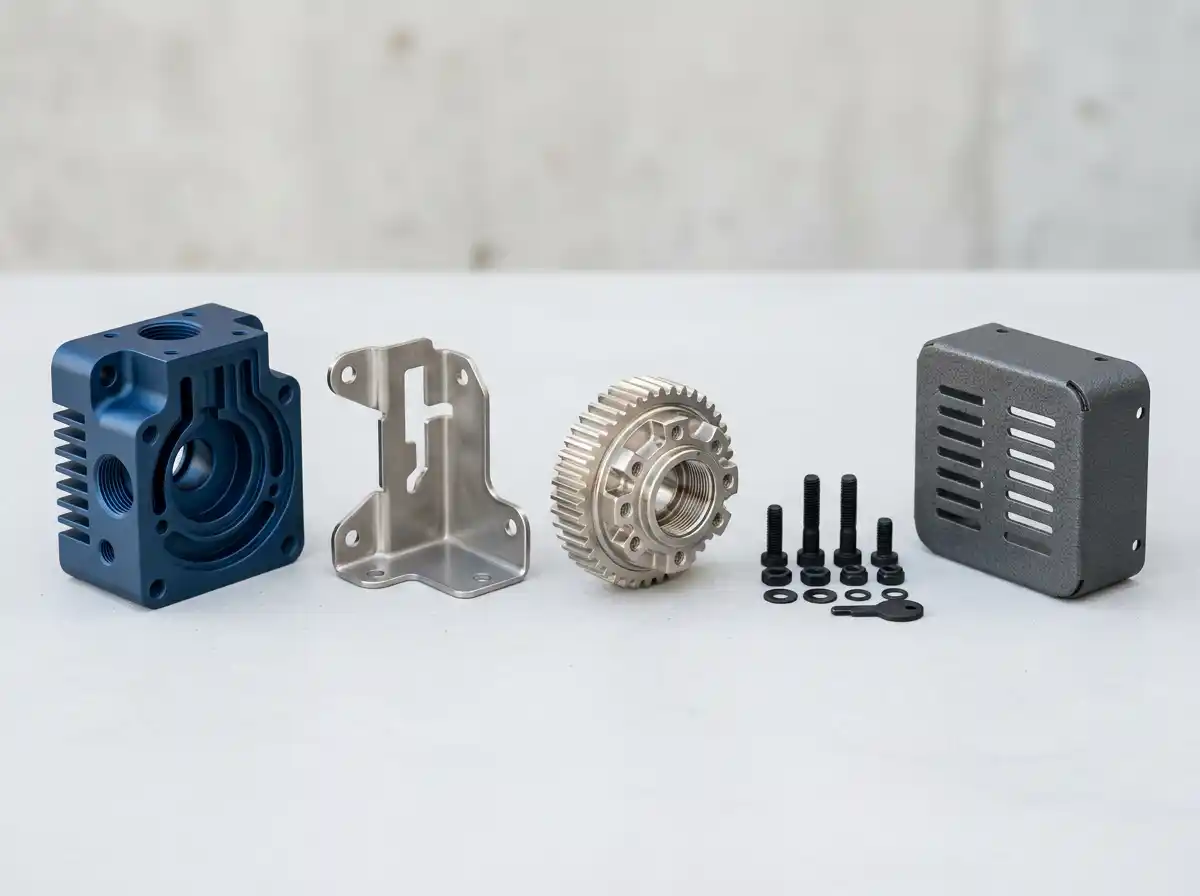
Aluminum motion components that needed wear resistance without losing fit
Problem: Parts saw sliding contact and abrasion at assembly interfaces, making the originally requested cosmetic anodize a durability risk.
Challenge: Critical fits and bores couldn’t drift—finish build-up on key diameters could cause drag, rework, or scrap.
Solution: Reviewed wear points and fits, then shifted to hard coat anodizing with clearly defined masking on critical diameters.
Result: Improved wear performance while keeping assemblies running smoothly with fewer post-finish corrections.
Impact: Lower risk at assembly, fewer quoting surprises, and a finish spec that matched function instead of appearance-only.
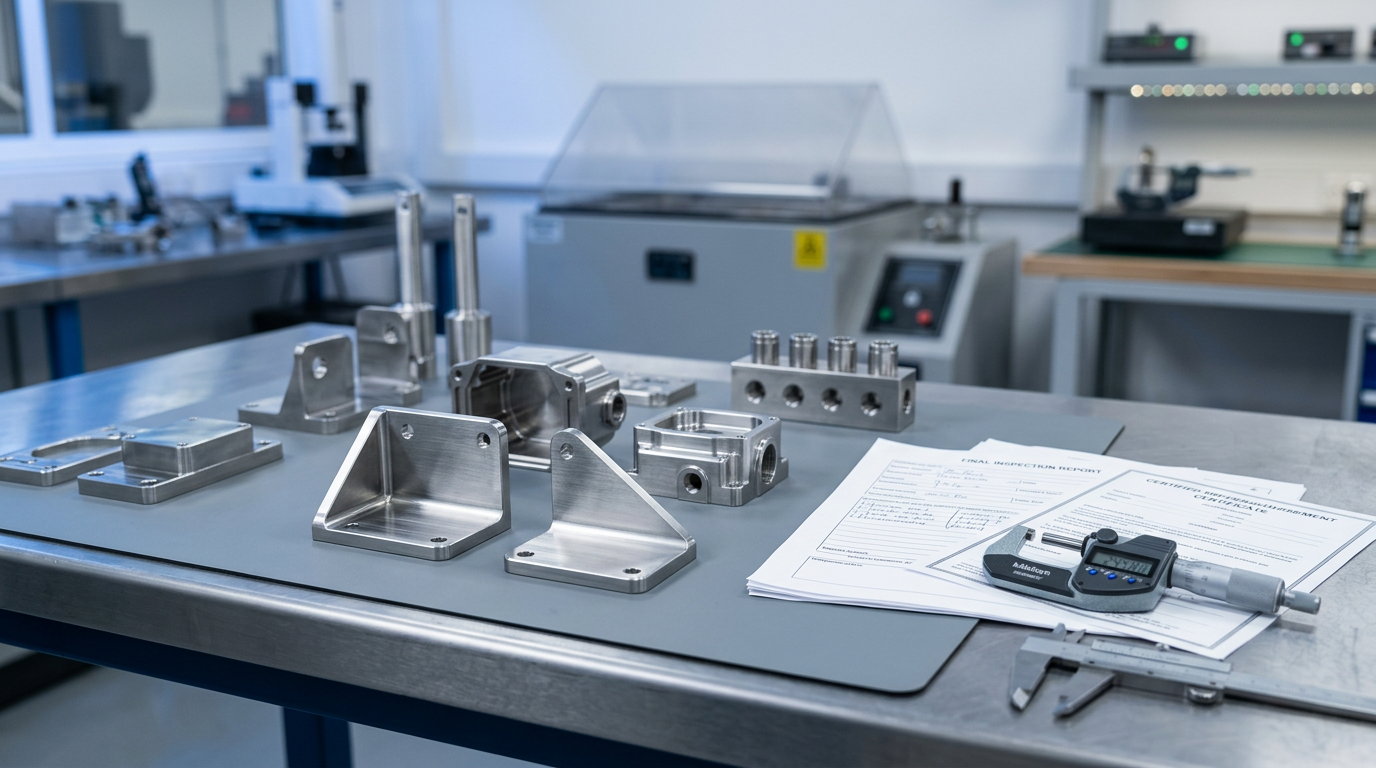
Stainless assemblies that needed corrosion support and file-ready evidence
Problem: The buyer needed stainless parts that would resist corrosion and be accepted quickly during QA review.
Challenge: Approval required clear passivation expectations plus inspection/documentation that matched the program’s evidence requirements.
Solution: Aligned passivation method, corrosion expectations, and inspection notes upfront; packaged documentation to match what reviewers look for.
Result: Cleaner approvals with fewer clarification loops after shipment and fewer delays during incoming inspection.
Impact: Faster release-to-production decisions and more predictable lead time for repeat orders.
FAQ — 8 finishing questions buyers actually ask
while staying technically useful.
1. What finish should I choose for aluminum CNC machined parts?
That depends on whether the priority is corrosion resistance, wear, color, conductivity, or appearance. Type II anodizing is often used for aesthetic and general protection. Type III hard coat anodizing is better for heavier wear. Chem film is often chosen when conductivity on aluminum matters.
2. Does anodizing change dimensions on precision features?
Yes. Coating growth can affect holes, threads, bores, and fit-critical surfaces. If the part has tight tolerances or electrical contact zones, buyers should identify those features early so masking or design allowances can be considered.
3. Is passivation a coating on stainless steel parts?
Not in the same way as paint or powder coat. Passivation is used to remove contamination and improve the stainless surface’s protective oxide layer. It supports corrosion resistance without functioning like a thick decorative film.
4. When is powder coating better than anodizing?
Powder coating is often better when the goal is durable color coverage, strong visual appearance, and exterior protection across broader metal parts. Anodizing is usually preferred on aluminum when tighter control of metallic appearance, wear, and thinner coating behavior matters.
5. Can I request masked threads, bores, or conductive faces?
Yes, and you should. If threads, bearing fits, mating faces, contact pads, or grounding features cannot be coated, those zones should be marked clearly on the drawing or RFQ before finishing is selected.
6. What documents can I ask for with finished machined parts?
Depending on the program, buyers may ask for a certificate of conformance, first article inspection, dimensional inspection report, appearance verification, or finish-related certification references. The right package depends on the application and your approval flow.
7. What should I include in an RFQ for cnc machining finishing services?
Include material, finish type or target outcome, any standard/class if known, masked areas, cosmetic side expectations, critical dimensions, quantity, end-use environment, and any CoC / FAI / DIR requirements. This reduces quote ambiguity and back-and-forth.
8. Can Batnon help if I am not sure which finish is right?
Yes. The page is designed to support buyers who know the part requirements but are still comparing finish options. If you share the drawing, material, environment, assembly concerns, and any QA/document needs, Batnon can help narrow the finish path before production begins.
Tell Batnon what the finish must actually do
The strongest inquiries do not only say “anodize black” or “powder coat white.” They explain where the part will be used, which surfaces matter, whether conductivity is needed, which features must stay within fit, and what documents the buyer must file for approval. That is how cnc machining finishing services turn into fewer quoting delays and cleaner approvals.