
What Is Machining Precision Really Controlled by …
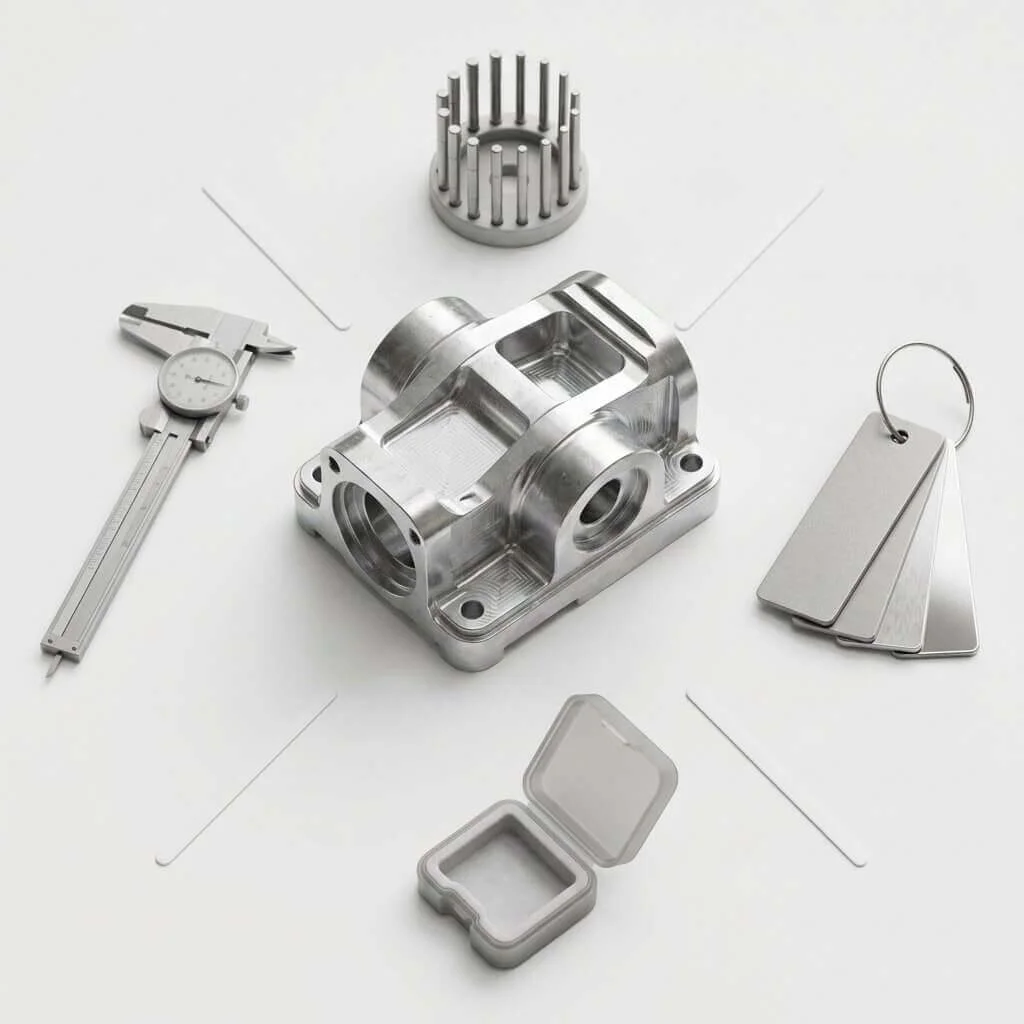
Most CNC precision problems are not caused by the machine alone. This article explains why datum strategy, fixturing, material stress, geometry, tool wear, inspection alignment, and post-processing often decide whether a machined part actually holds tolerance in assembly.
When Precision Machining Is Necessary
Excerpt Option 1
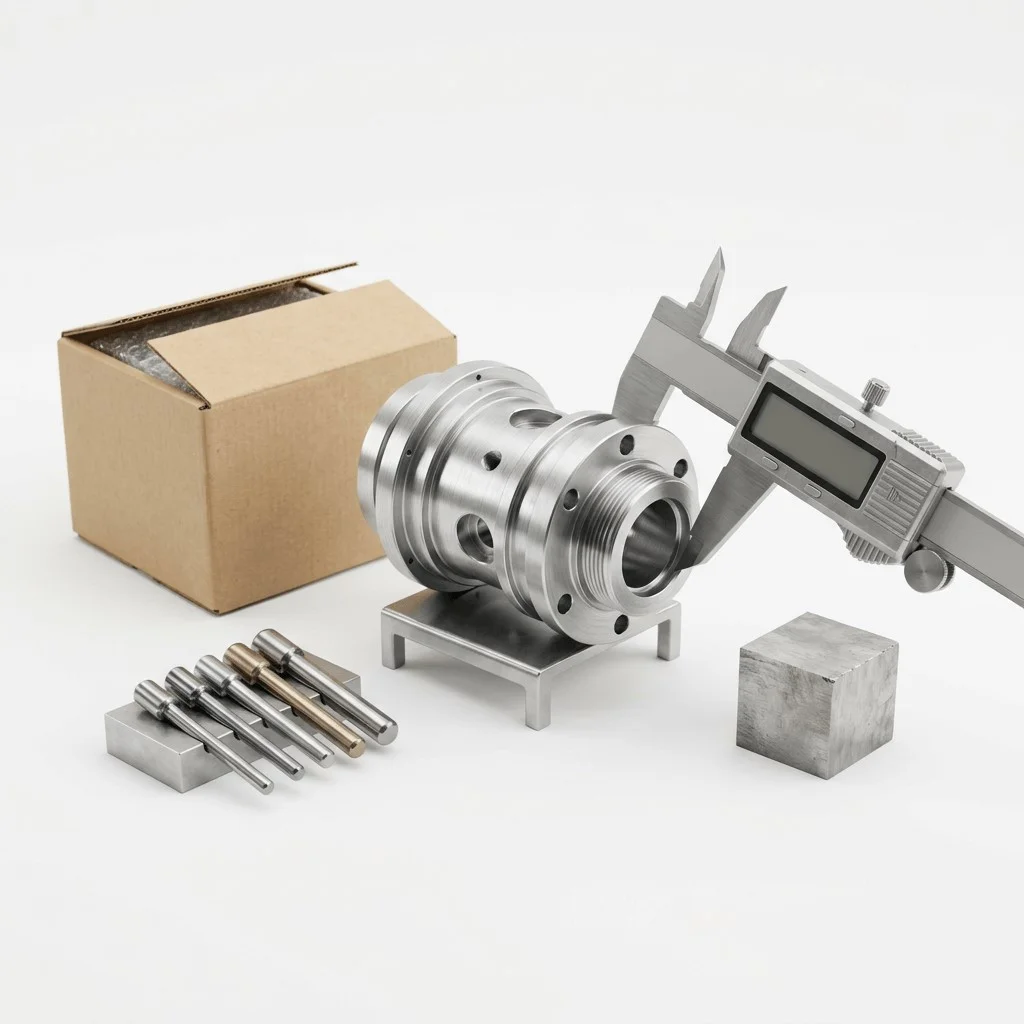
Precision CNC machining becomes necessary when a feature directly controls assembly behavior or when finishing processes can change final geometry. This article explains where tight tolerance matters, what can go wrong, and how to judge precision by function instead of appearance.
Precision vs Standard: Use Both, Not One Everywhere
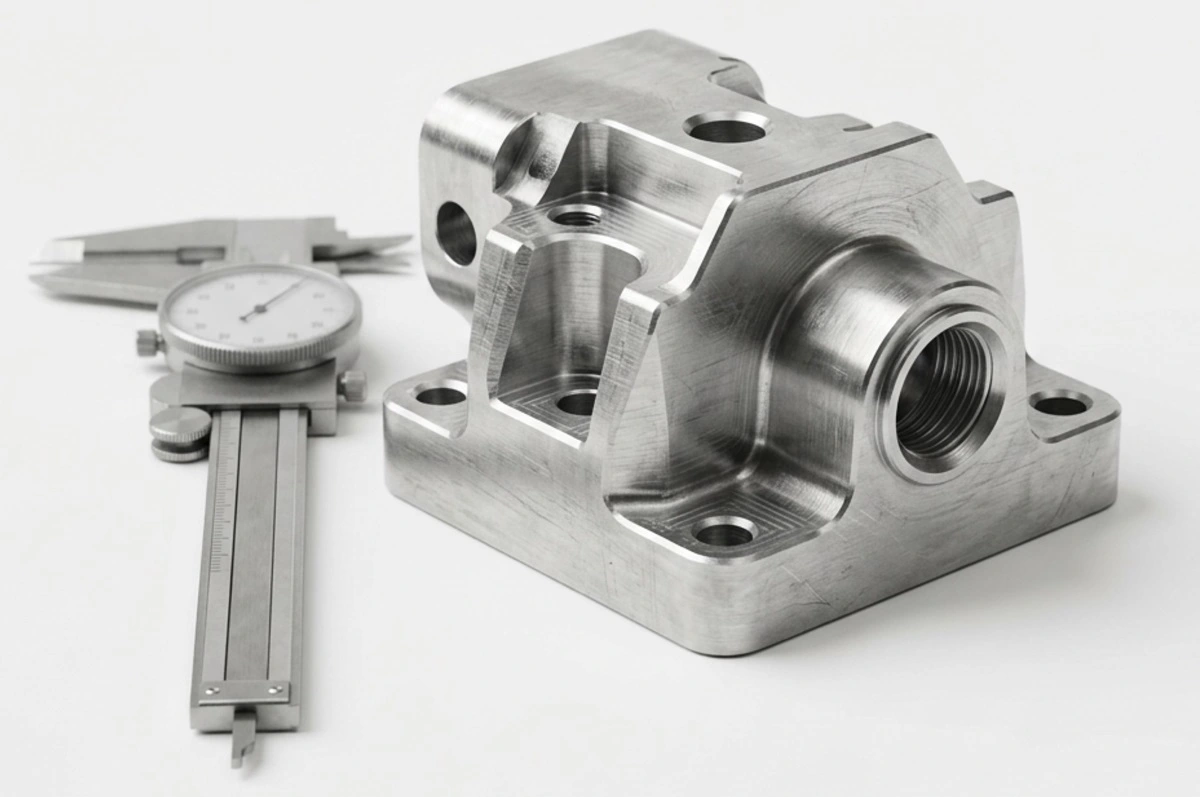
Precision CNC machining and standard CNC machining are not opposites. The best manufacturing strategy often uses both on the same part: tight control for features that affect fit, motion, sealing, alignment, or safety, and standard tolerances for non-critical surfaces that do not change product performance.
CNC Machining RFQ Checklist: What Serious Buyers Verify Before They Trust a Quote
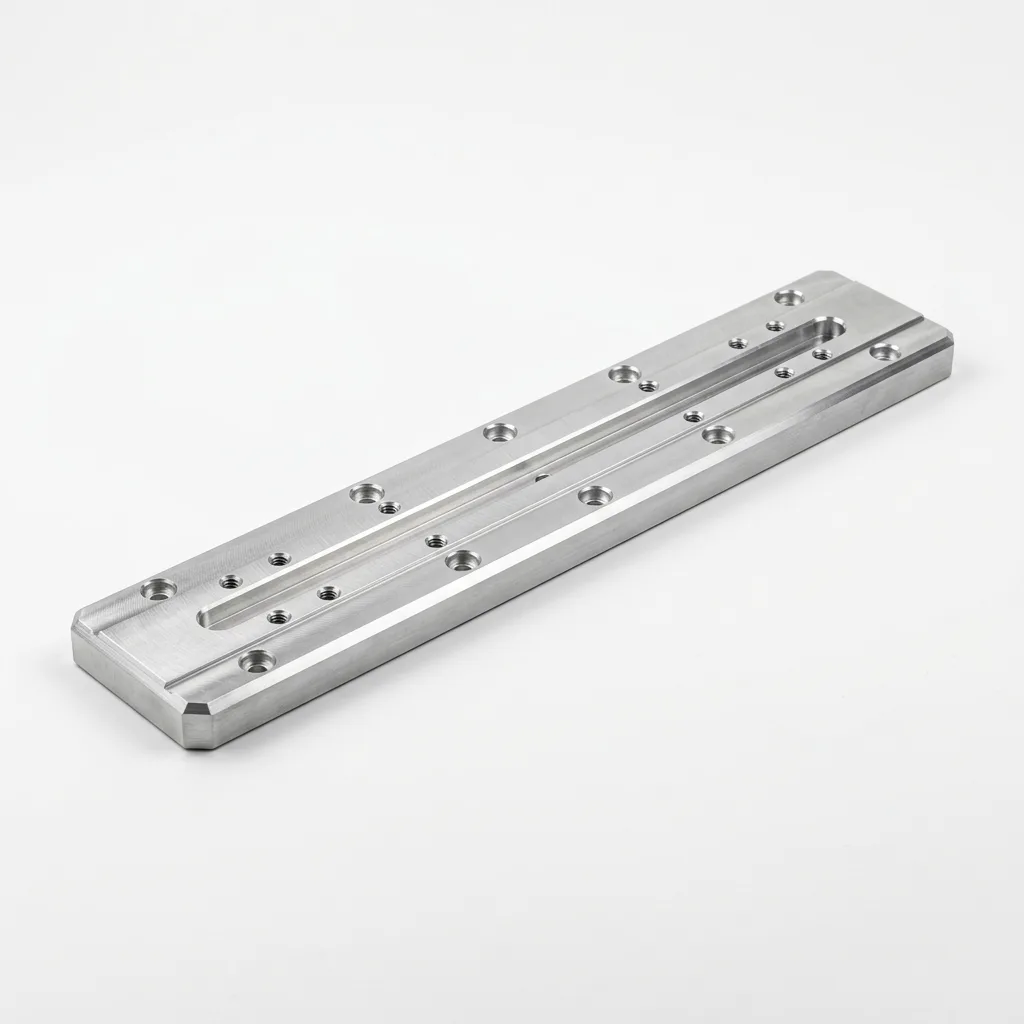
1. Practical CNC machining RFQ checklist for serious buyers: what to include, what suppliers assume, and what to verify before trusting a quote.
Why One Bore Can Stop a Production Line?
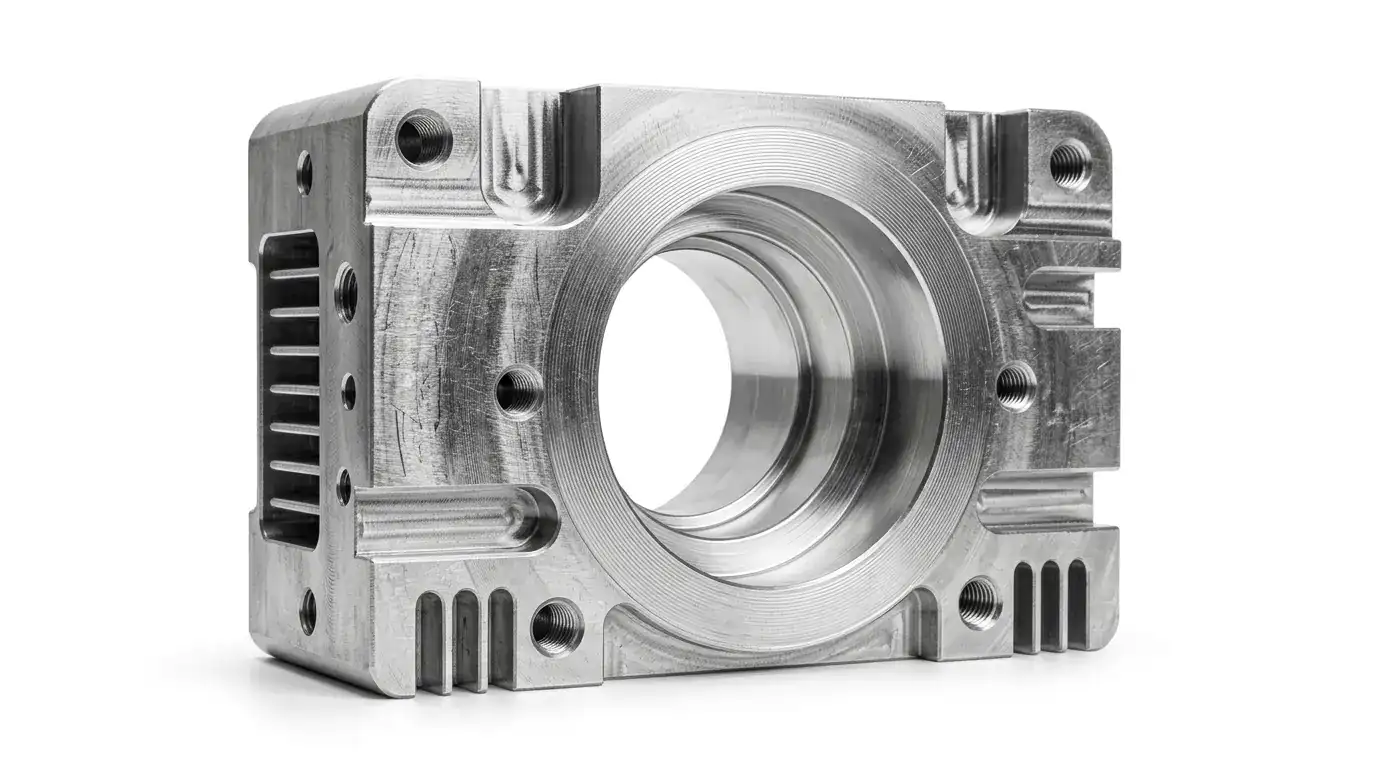
One bore looks trivial on a drawing.
In production, it can be the stumbling block feature in the whole part.
I’ve seen teams spending weeks on which machine to choose, spindle hours, even coating.
Why Tiny Errors Cause Big Problems?
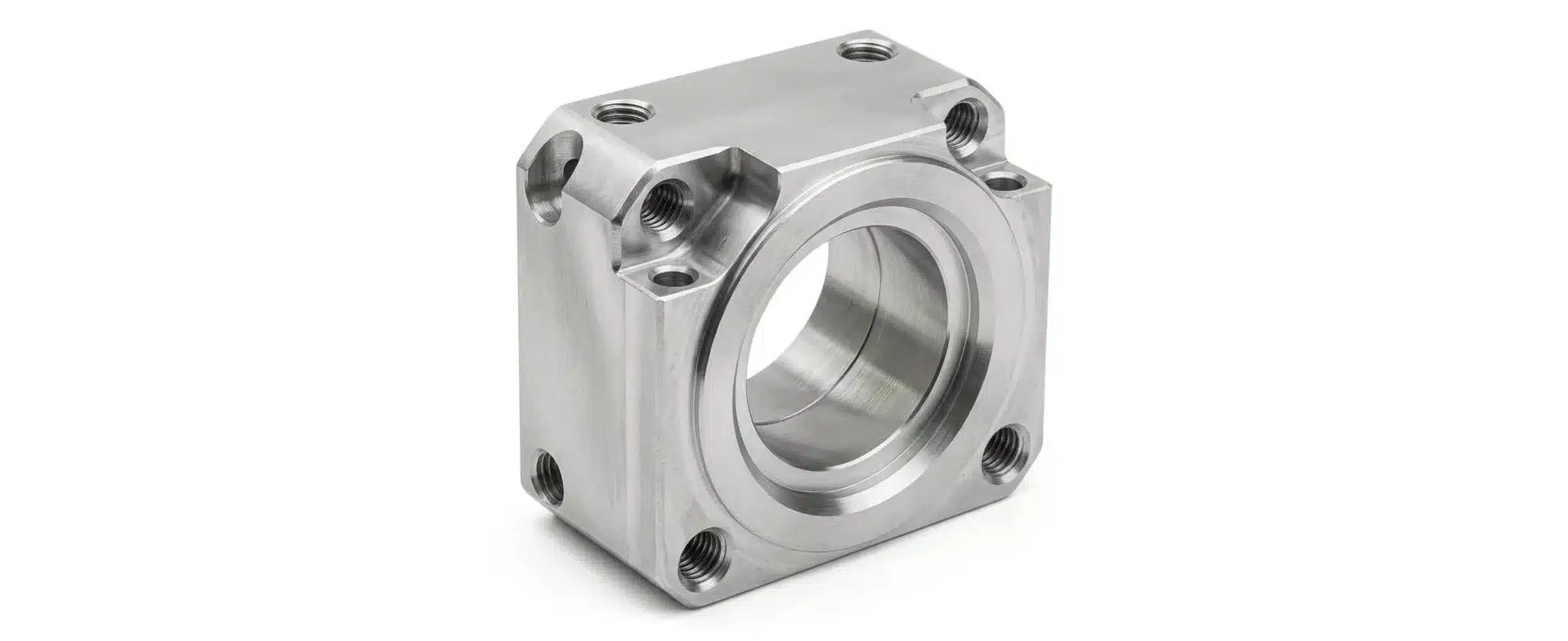
In a critical assembly, a part might look to be clean, shiny, and visually perfect, but fail when it goes into real work.
Precision Is Defined by Function, Not by a Fancy Machine
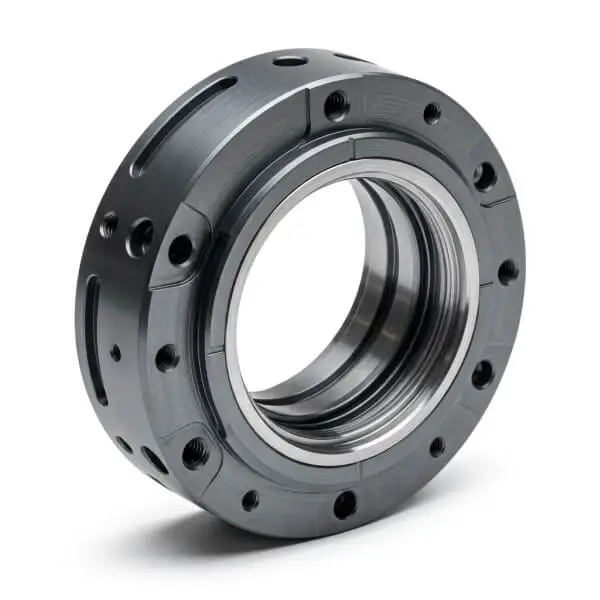
Precision CNC machining might be regarded as using a better machine to cut out tighter measurements. That seems to be logical, but it’s one-sided and misses the actual truth.
Precision CNC Machining: Most Buyers Ask the Wrong Question
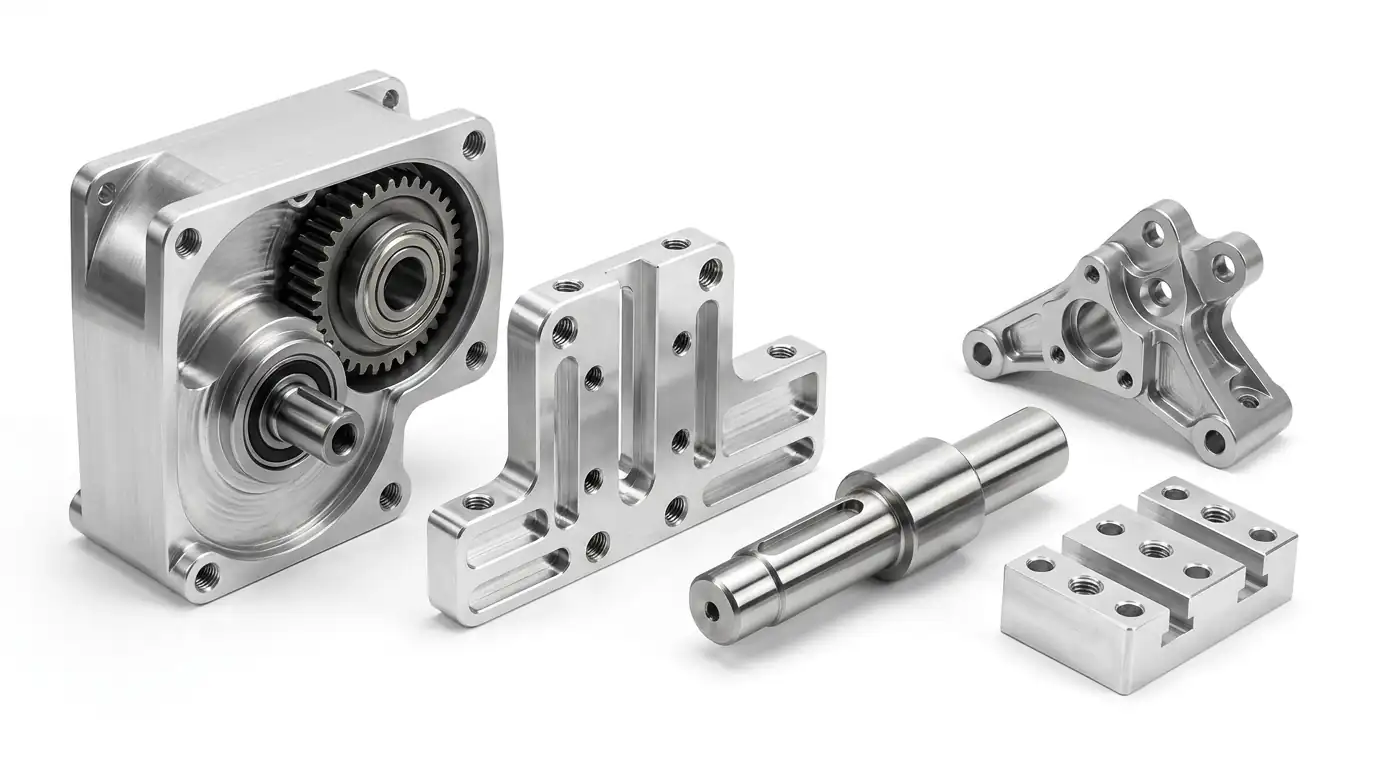
Precision CNC machining is not defined by the tightest tolerance. Learn how fit, motion, alignment, materials, and inspection determine real-world precision and cost.
Why is CNC Machining Important in Manufacture?
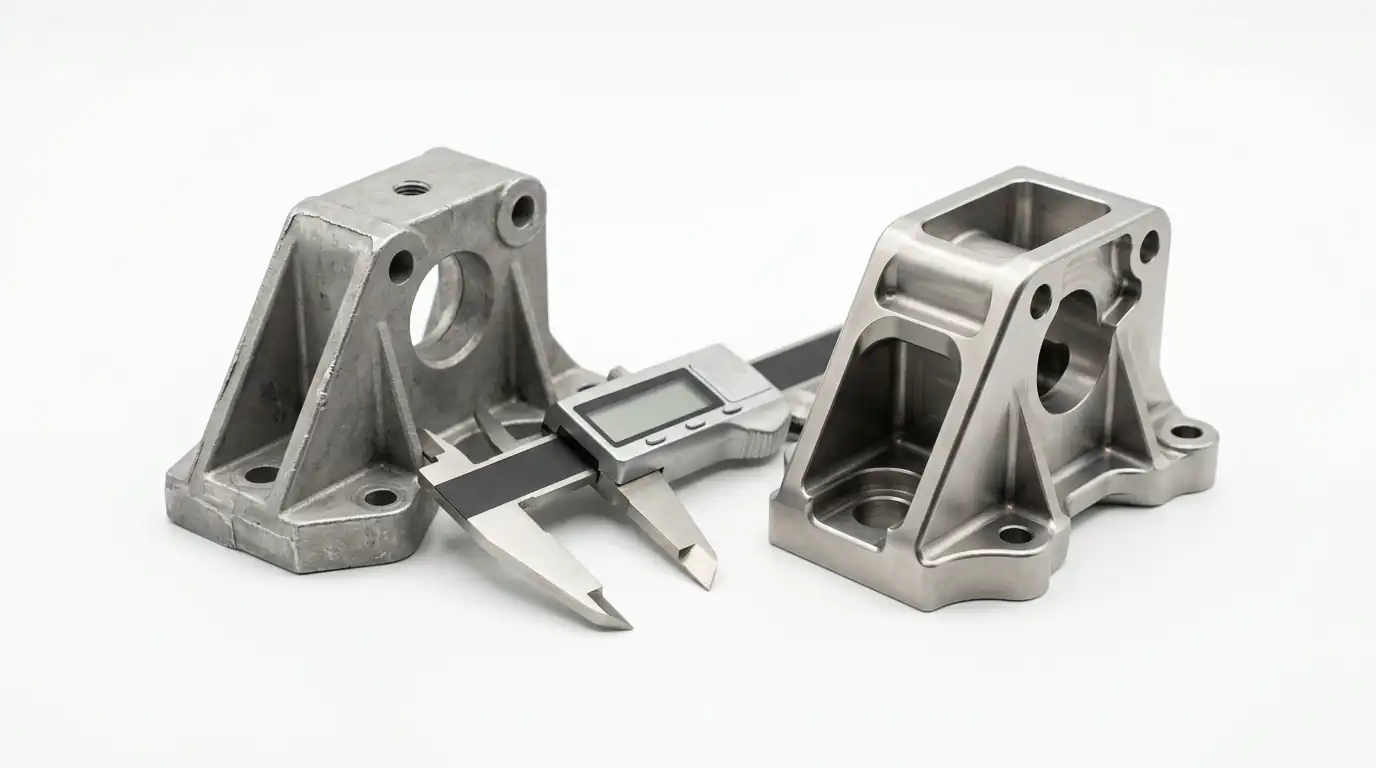
Compared with conventional machining, CNC machining is always a better option in many ways, that’s because it has bigger benefits.
CNC Machining Manufacture Types and Materials?
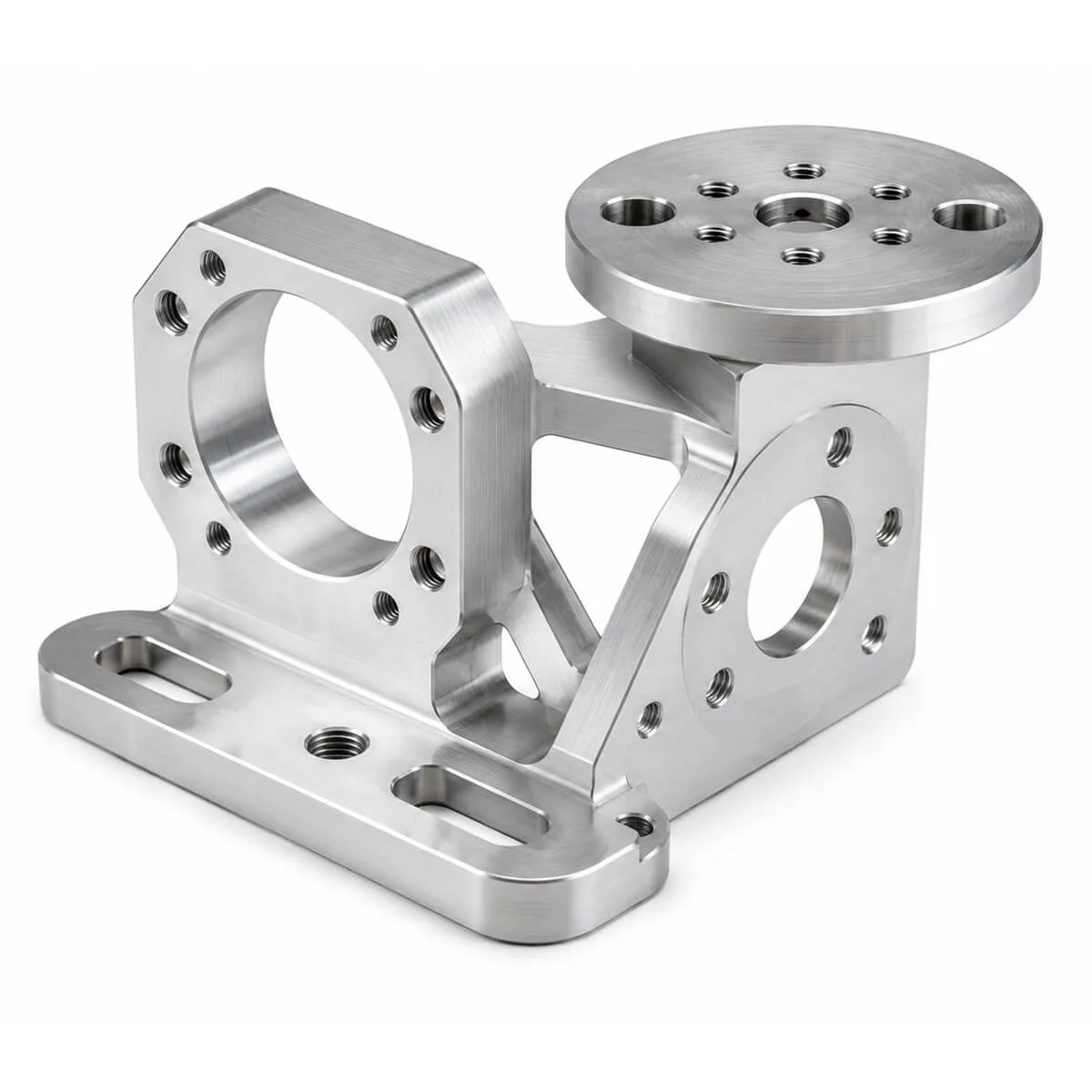
What are CNC Machining Manufacture Types? 1. CNC machining Ordinary lathe is the most commonly used machine for turning parts. Turning is the removal of metal from the workpiece. When the workpiece rotates, the tool cuts along the workpiece. Boring is a method of enlarging or further machining holes drilled or cast on metal workpieces. […]
Why CNC Machining Is Best Way For Customized Products?
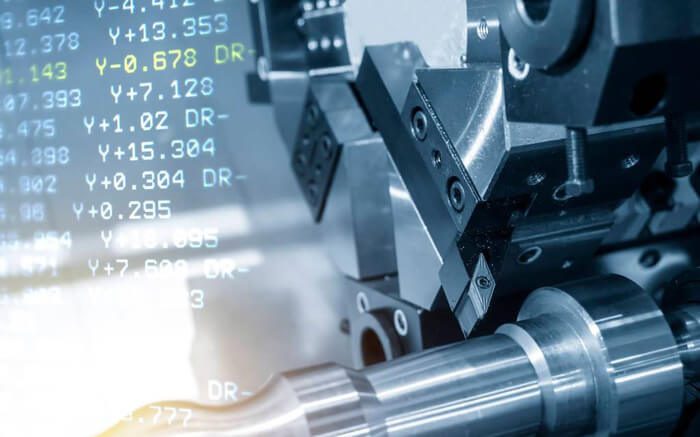
CNC machining is the most suitable processing method for low volume, high precision, and customized products. This is due to some special advantages of CNC machining compared with conventional machining technology. The main reason is the versatility and repeatability of CNC machine tools. Traditional machines need a manual controller, which is easy to produce small […]
What factors affect the stability of CNC machining?
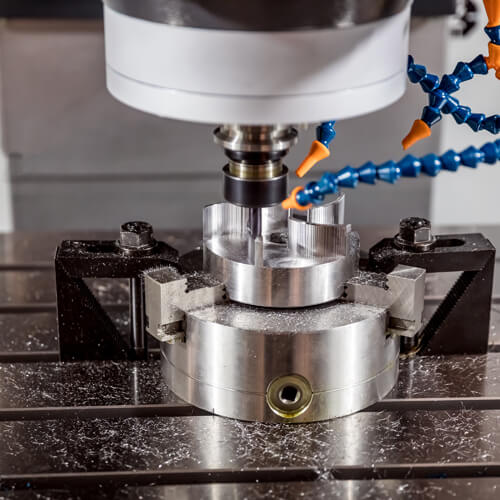
CNC machining is realized by CNC machine tools. Therefore, the stability of CNC machine tools directly affects the effect of CNC machining. What factors affect the stability of CNC machining? 1. Voltage stability If the voltage is unstable, the actions of the moving parts of the machining machine will also appear some unstable states with […]
What Affects The Precision Of CNC Machining?
When outsourcing a precision CNC machining part, we often care how the CNC machining tool precision is. In reality, some factors need to consider in achieving a high precision level. 1. Position error Position error refers to the change or deviation degree of the mutual position between the actual surface, axis or symmetry plane […]