In CNC machining, the most expensive mistake is not always a bad dimension. It is applying precision in the wrong place – or failing to apply it where the assembly actually depends on it. A part can look accurate, pass a basic visual check, and still create vibration, leakage, binding, poor repeatability, or premature wear after it is installed.
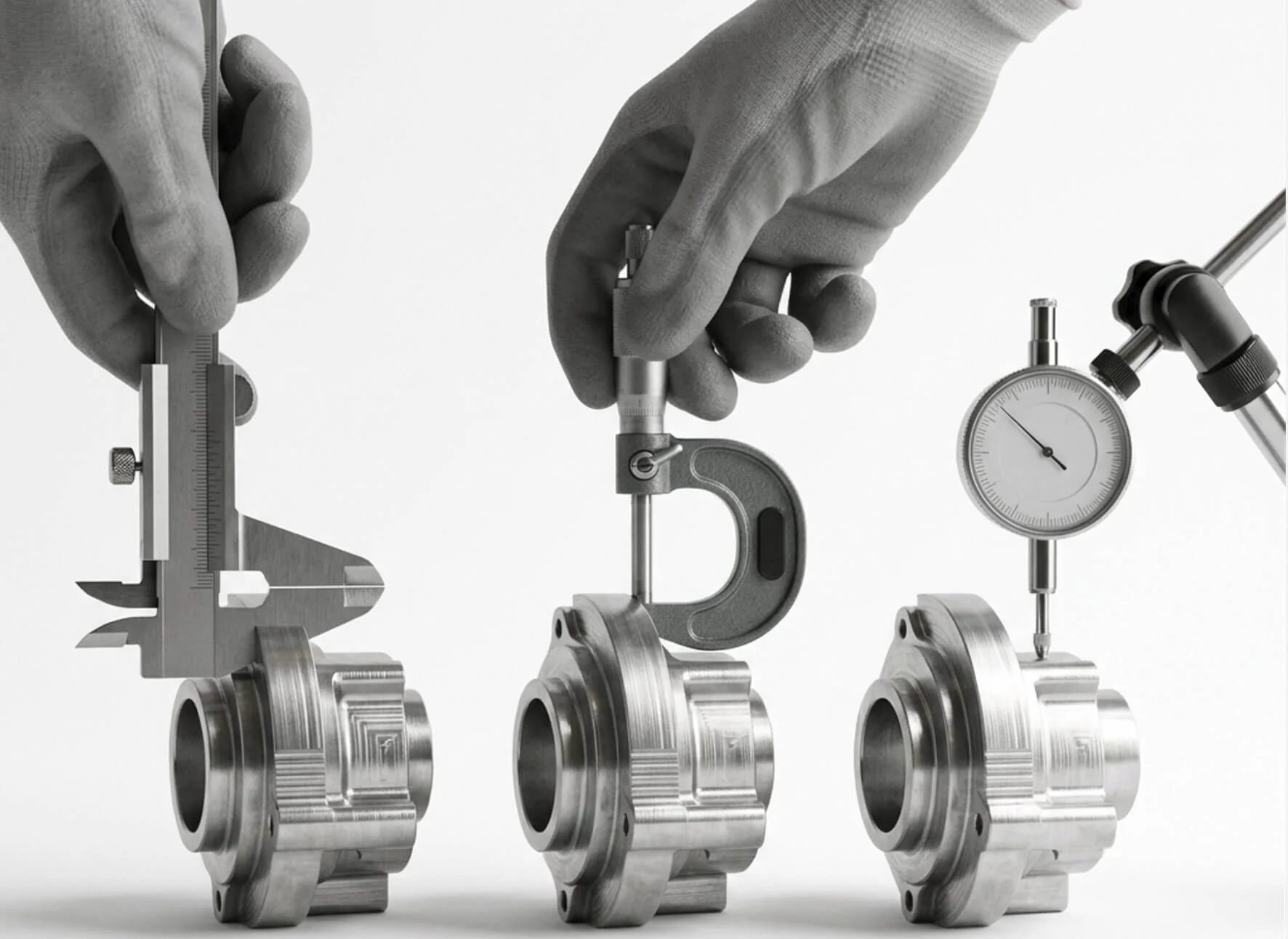
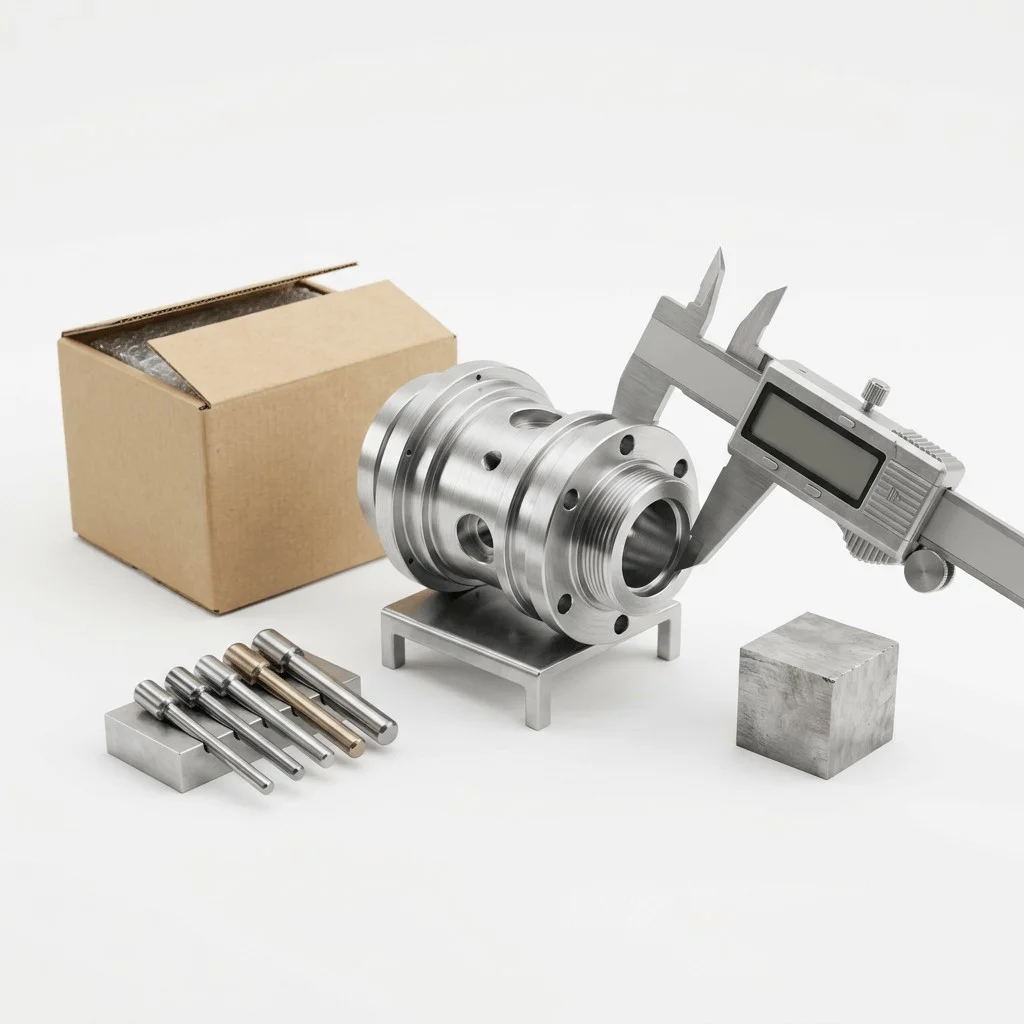
Precision CNC machining becomes necessary when a feature directly controls assembly performance. Typical examples include bearing bores, shaft fits, mating diameters, dowel-hole locations, and flat or perpendicular reference surfaces. These features are not just geometric details on a drawing. They control alignment, movement, sealing, clearance, load transfer, and long-term durability. For machining work where CTQ features and inspection evidence matter, see Batnon’s Precision CNC Machining Services.
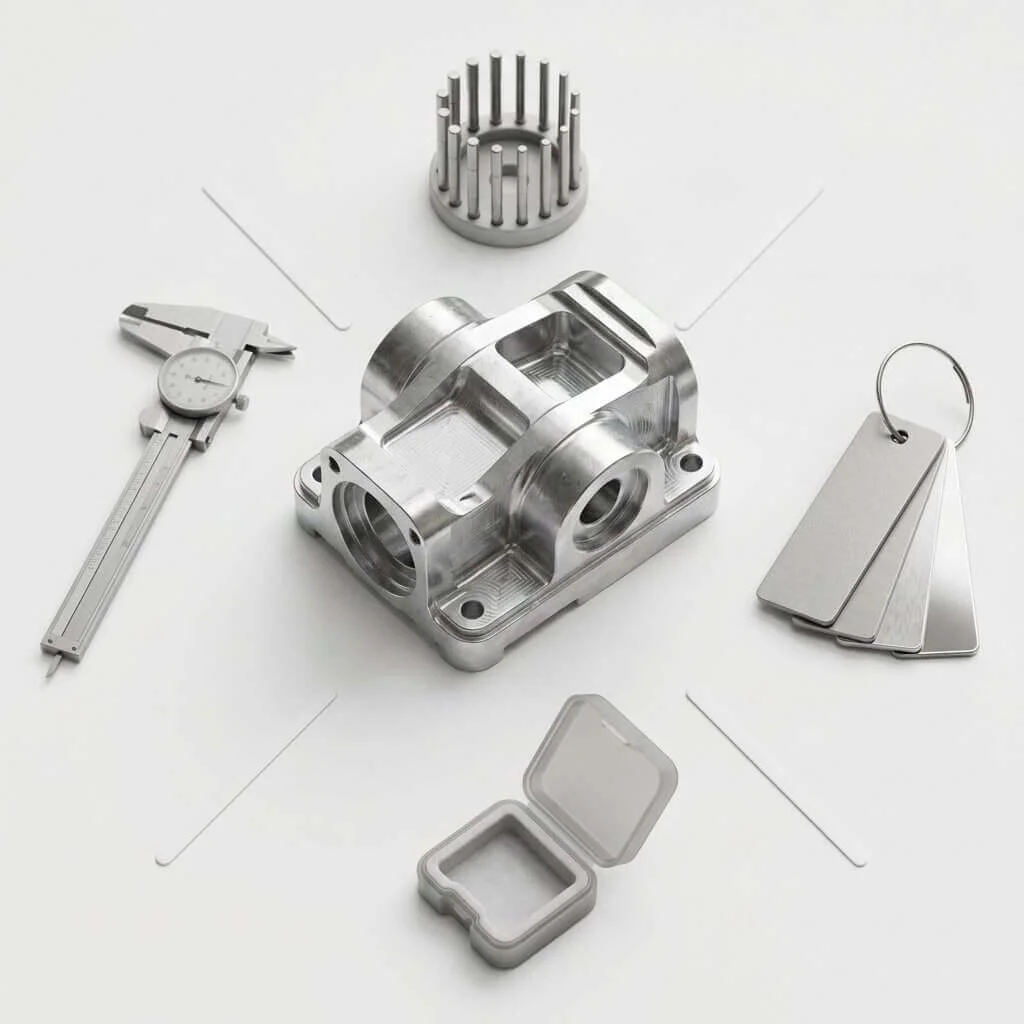
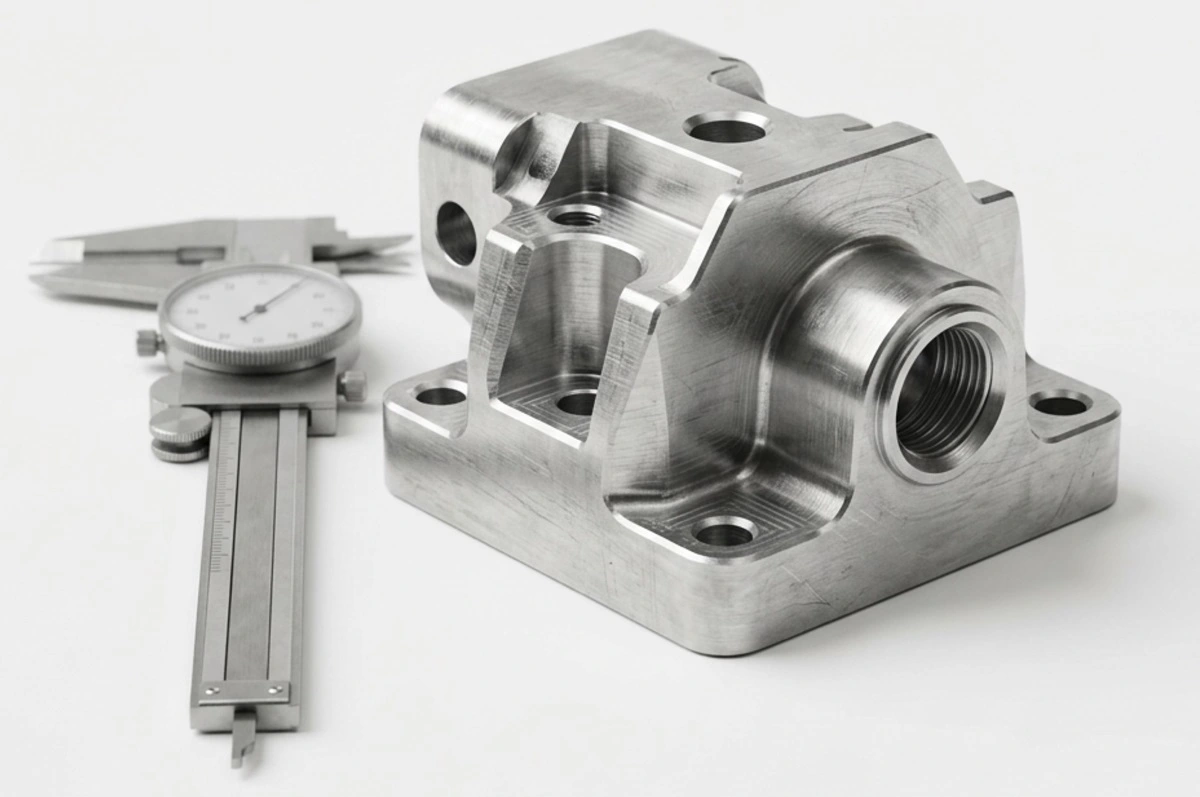
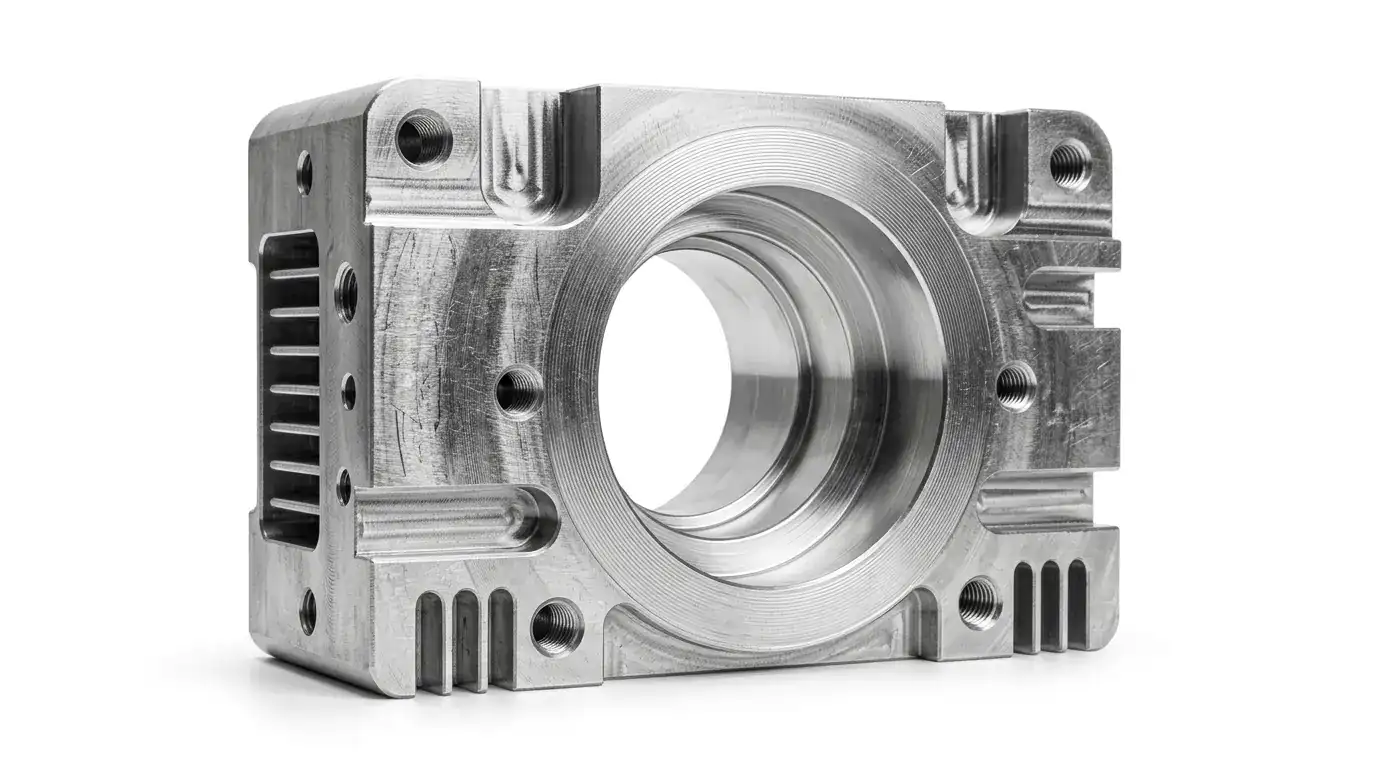
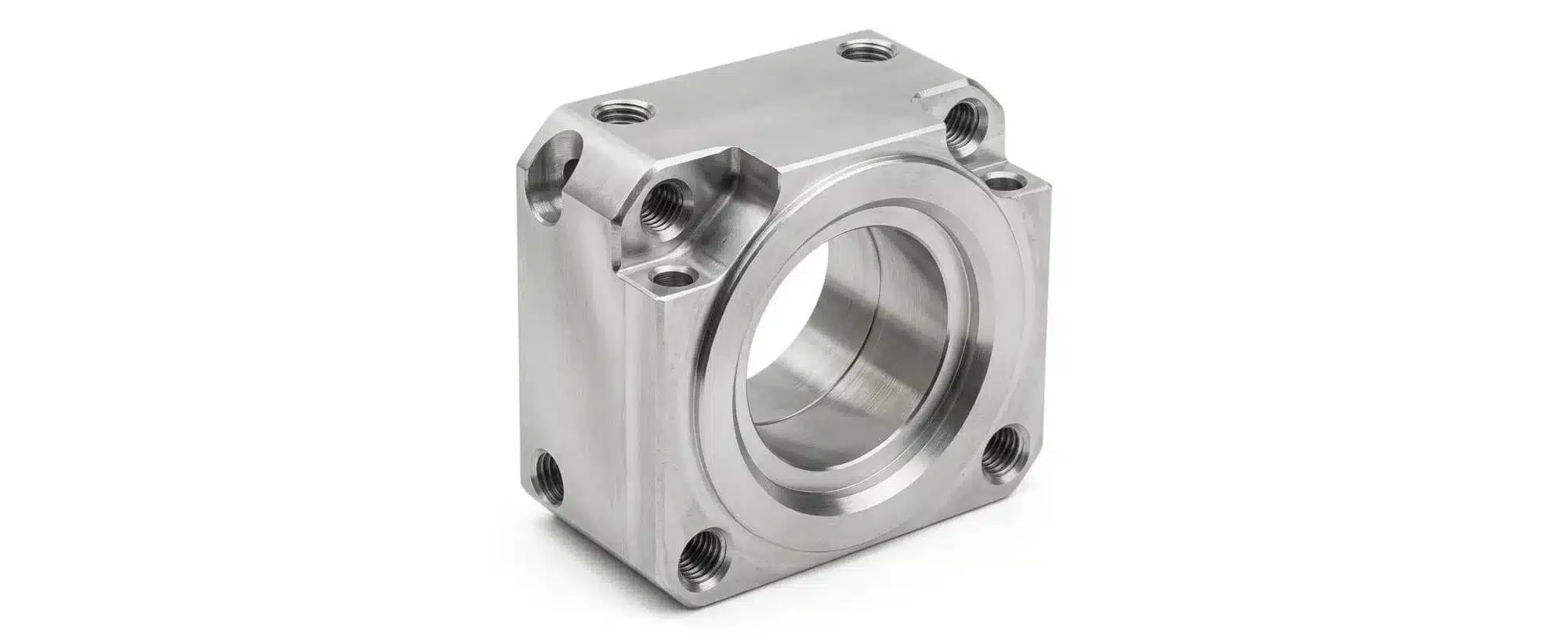
Take a bearing housing as a simple example. From the outside, it may look like a block with a round hole. In use, however, bore size, roundness, concentricity, and the relationship between the bore and the mounting face all influence how the bearing sits, rotates, and carries load. If the bore is slightly out of round, or the face is not square to the bore, the bearing may still assemble, but it can run hotter, wear faster, or fail earlier.
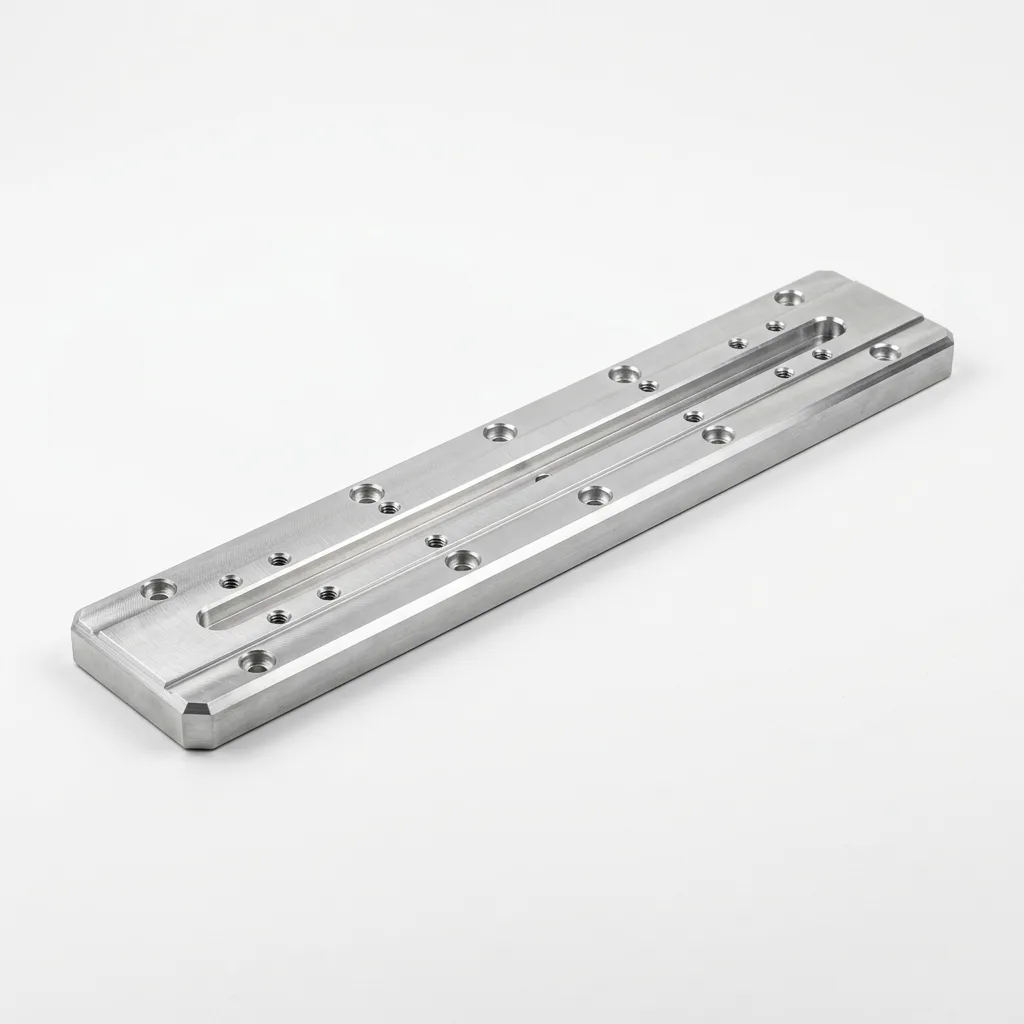
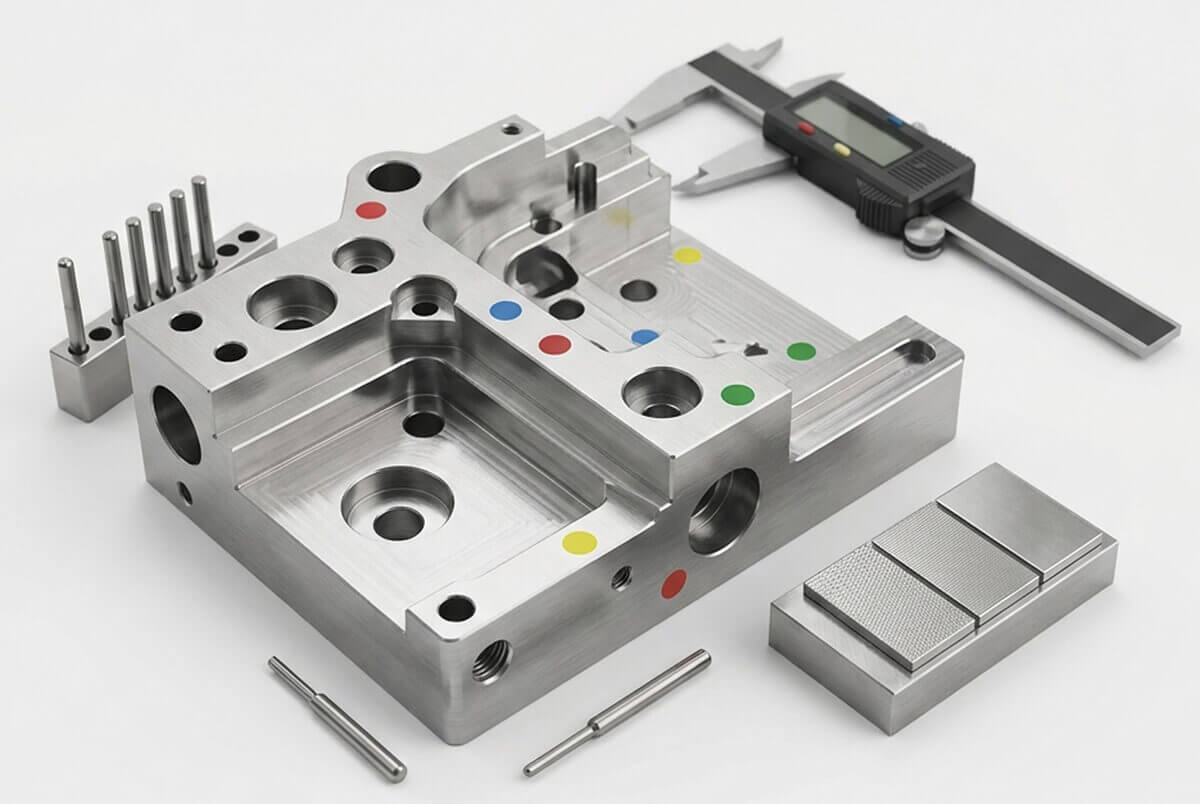
The same logic applies to automation fixture plates. Many holes on the plate may only need ordinary clearance tolerance. But the dowel-pin holes are different. They define how the workpiece, robot gripper, sensor bracket, or nest locates in the system. If those positions drift, the downstream process may lose repeatability even though most dimensions on the plate are acceptable. This is why a serious tolerance strategy separates critical-to-function features from ordinary features instead of tightening everything blindly. Related application examples are covered on Batnon’s Robotics & Automation CNC Machining page.
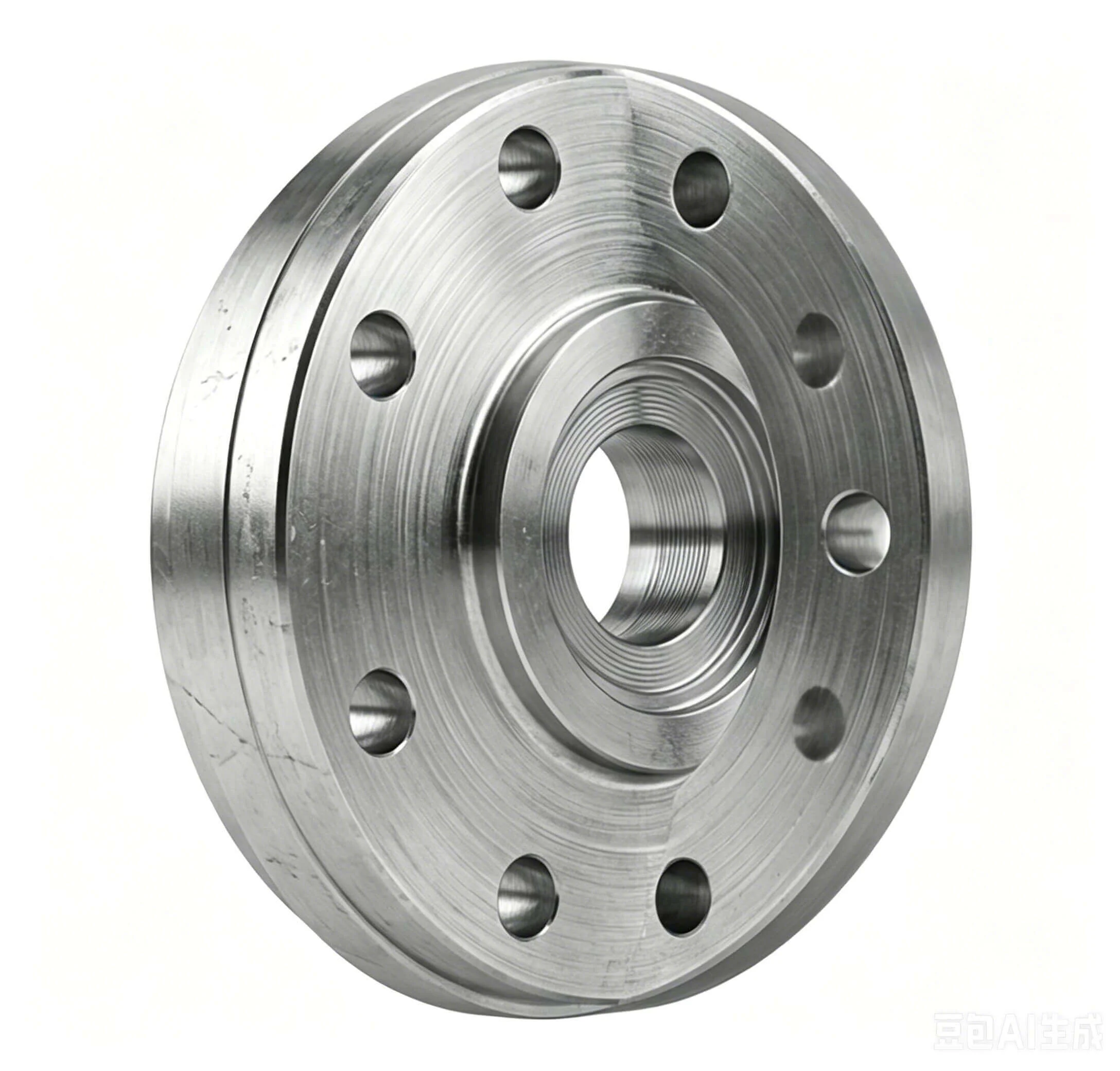
Precision is also necessary when the part must maintain performance after secondary processes such as anodizing, plating, passivation, coating, or heat treatment. These processes may add thickness, remove material, change surface condition, or introduce distortion. If the machining plan does not anticipate those changes, the final part can be out of specification even when the machined part was correct before finishing.
For example, anodizing can change hole size and surface build-up. Plating can affect shaft fits, threads, and mating surfaces. Heat treatment may move thin walls or release internal stress. A good machining plan does not treat finishing as a separate afterthought. It decides which surfaces need allowance, which areas should be masked, which dimensions should be checked after finishing, and whether roughing, stress relief, finishing, and inspection need a controlled sequence. For drawing preparation, finish notes, and inspection requirements, use the CNC Machining RFQ Package.
The deeper point is that precision is not a machine capability claim. It is a process decision. The drawing tolerance is only the visible part. Behind it are datum selection, workholding, tool reach, material behavior, cutting sequence, finishing allowance, and inspection method. When these decisions are weak, a shop may still advertise tight tolerance, but the part will not behave reliably in the real assembly. For CMM reporting and inspection-first workflow, see Batnon’s Quality System.
Whenever geometry directly affects function and failure is not acceptable, precision becomes necessary. The goal is not to make the part look better or to make every dimension artificially tight. The goal is to make the assembly behave correctly, repeatedly, and reliably over time. That is the practical difference between machining a shape and manufacturing a functional component.