Precision Is Defined by Function, Not by a Fancy Machine

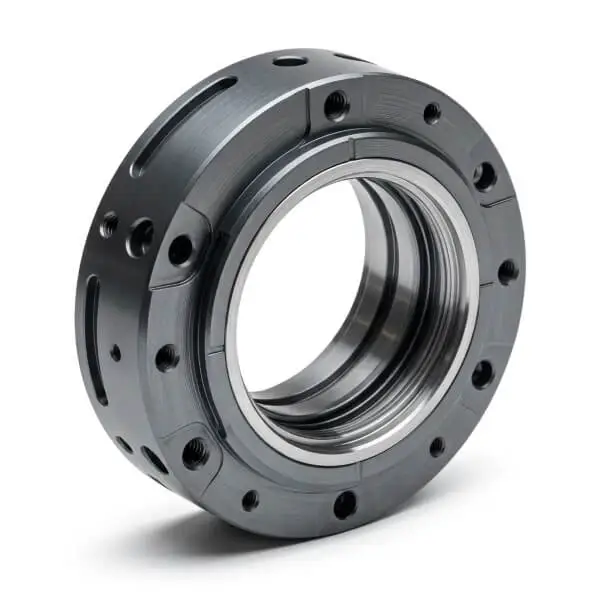
CNC-machining-bearing-housing-anodized_aluminum_bore_part-Batnon-webp-2

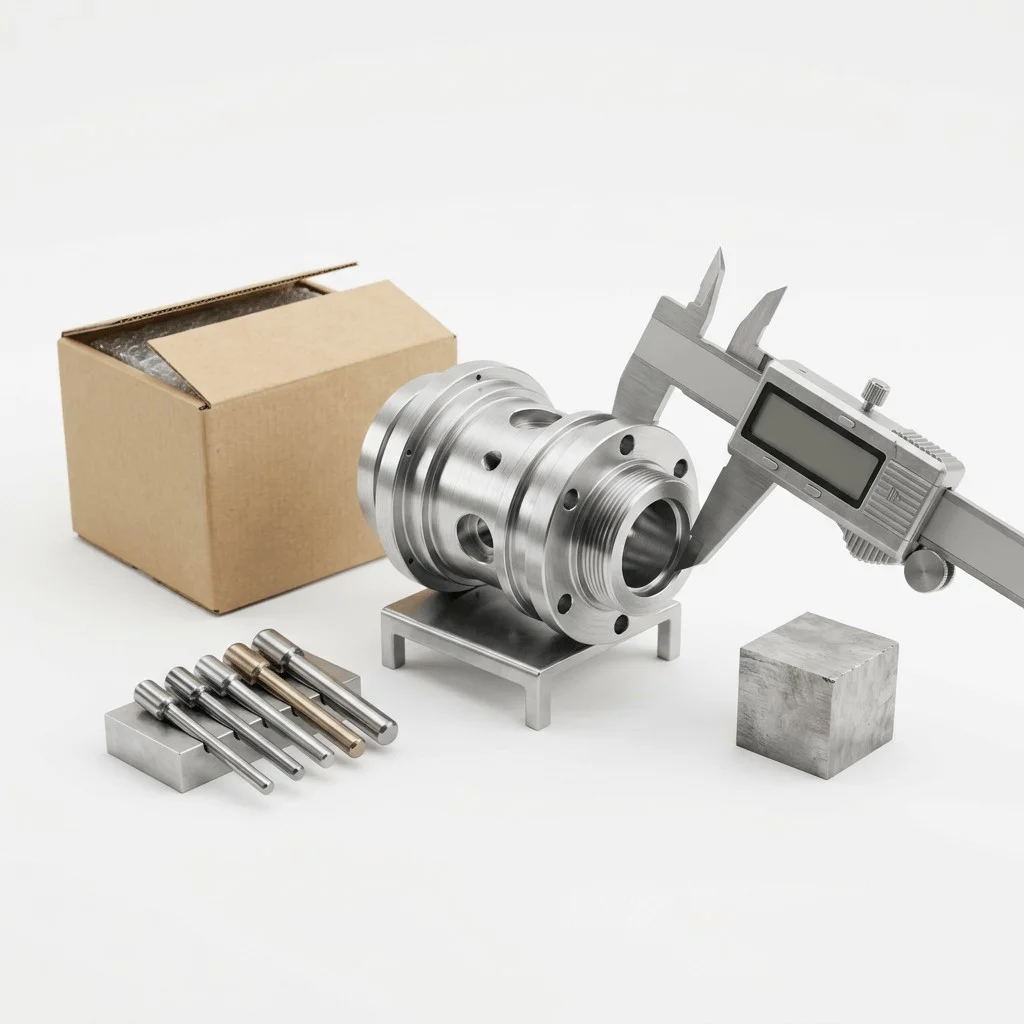
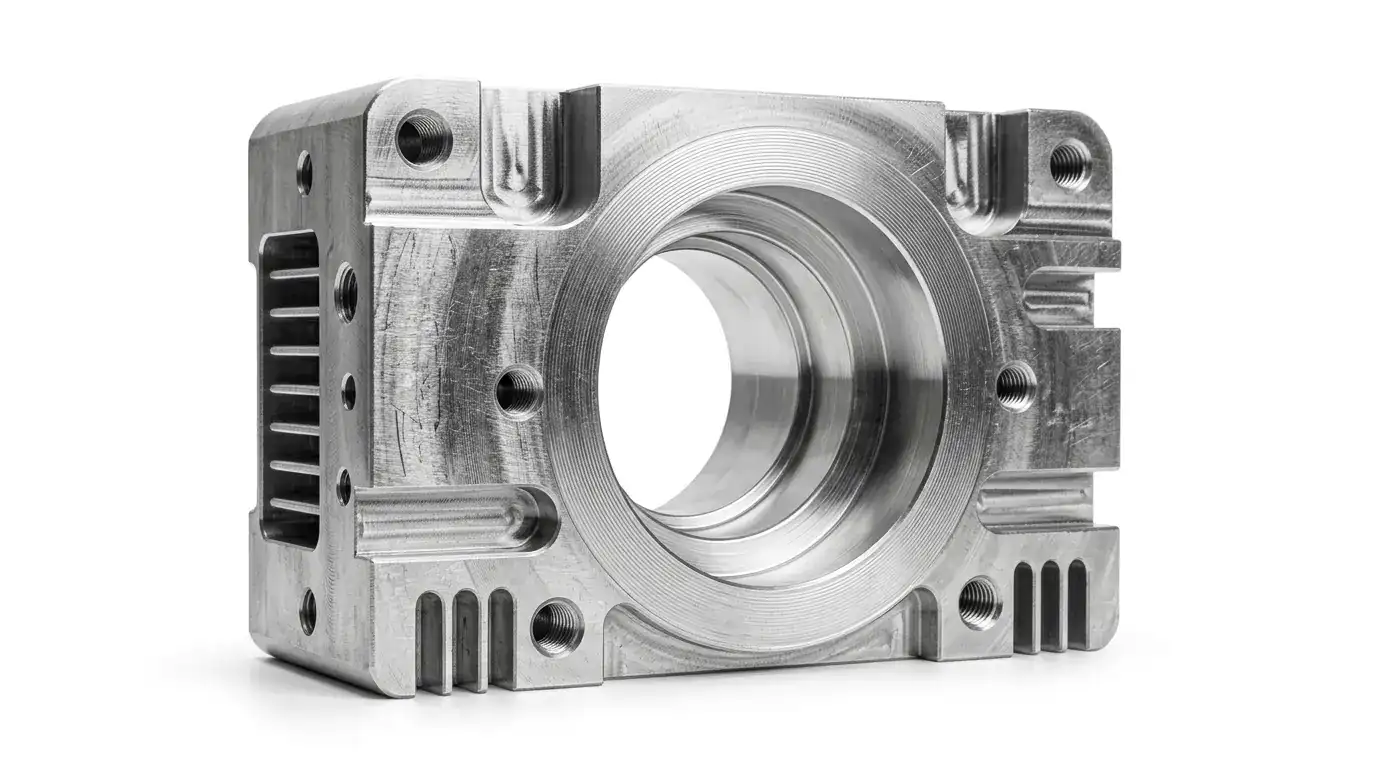
Precision CNC machining might be regarded as using a better machine to cut out tighter measurements. That seems to be logical, but it’s one-sided and misses the actual truth. Precision is not a machine label. It is an integrated manufacturing process to to create features, that control fit, motion, sealing, alignment, or safety in the final assembly.

One tolerance can be acceptable for one feature, but completely not matching in another. A looser dimension may be ok for the outer size of a housing, while the inner bore of that same housing for mounting may be far tight, just because it directly affects alignment. In other words, precision is not absolute. It is related to the function of a specific feature.

The smartest way to think about precision CNC machining is not “how tight can they cut?” but “which feature actually matters, and why?” Once that question is clear, the process strategy becomes clearer too: tool selection, clamping method, datum logic, finishing allowance, and inspection plan all follow the feature’s role in the assembly.

So precision should never be treated as a generic upgrade. It should be treated as a targeted manufacturing strategy that protects function where function truly depends on geometry.

Picture of Jacky

Jacky

Jacky is BDM at Batnon, writing about CNC machining, custom manufacturing, product development, and practical sourcing decisions.

Related Articles

01-precision-cnc-machining-inspection-parts-batnon

What Is Machining Precision Really Controlled by …

Most CNC precision problems are not caused by the machine alone. This article explains why datum strategy, fixturing, material stress, geometry, tool wear, inspection alignment, and post-processing often decide whether a machined part actually holds tolerance in assembly.

Read More »
Precision S. Steel Multi-port Fluid Control Valve Block for Hydraulics Pneumatics 1

When Precision Machining Is Necessary

Excerpt Option 1
Precision CNC machining becomes necessary when a feature directly controls assembly behavior or when finishing processes can change final geometry. This article explains where tight tolerance matters, what can go wrong, and how to judge precision by function instead of appearance.

Read More »
precision cnc machining fixing plate - batnon (1) (1)

When Precision Machining Is Necessary

Precision CNC machining is necessary when specific features control assembly performance or when finishing processes can change final geometry. This guide explains where tight tolerance matters and why precision should be applied by function, not appearance.

Read More »
Precision-vs-Standard-Use-Both_-Not-One-Everywhere

Precision vs Standard: Use Both, Not One Everywhere

Precision CNC machining and standard CNC machining are not opposites. The best manufacturing strategy often uses both on the same part: tight control for features that affect fit, motion, sealing, alignment, or safety, and standard tolerances for non-critical surfaces that do not change product performance.

Read More »