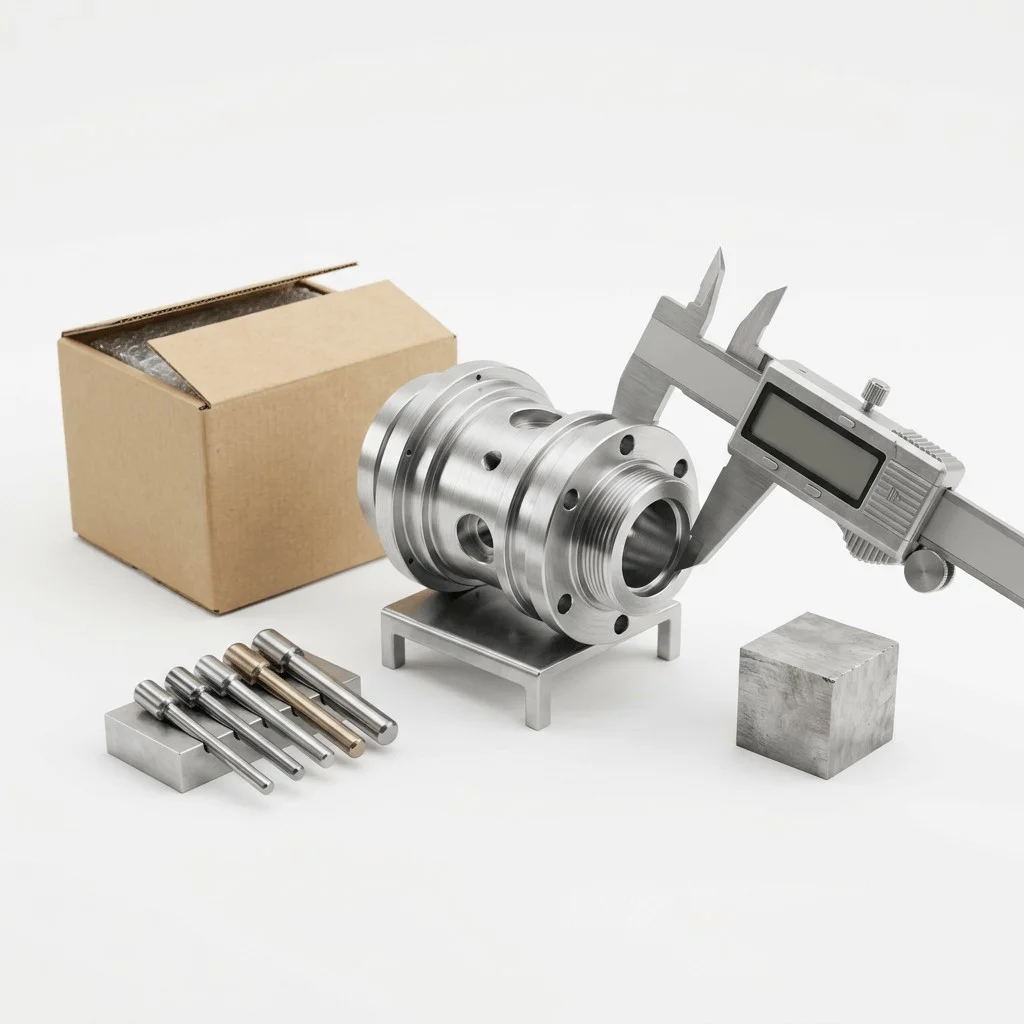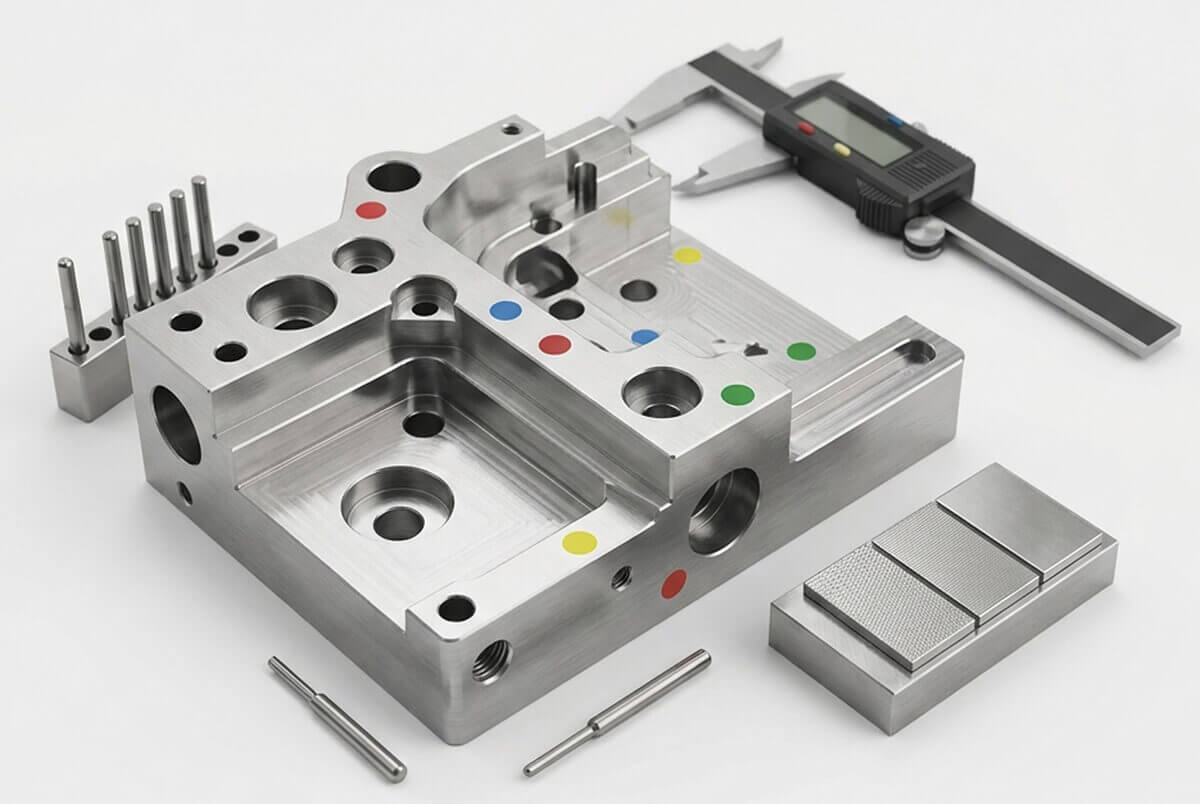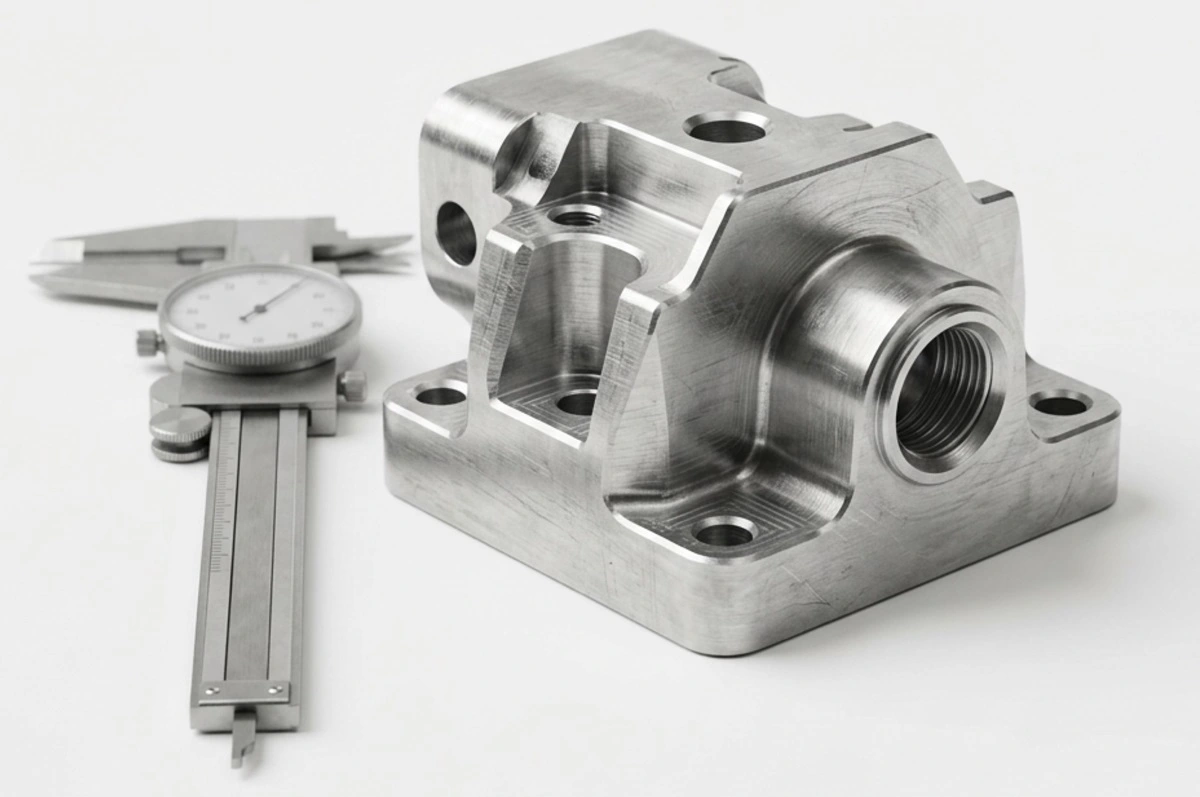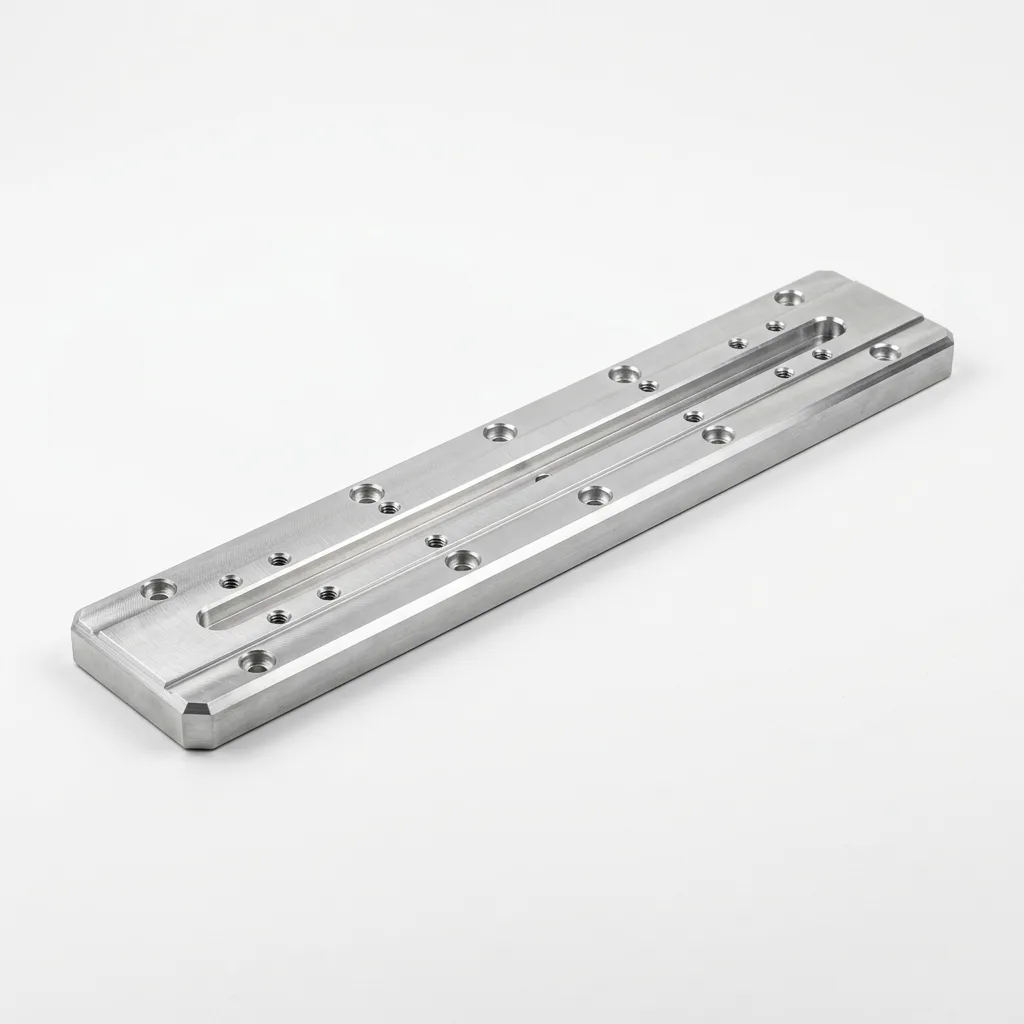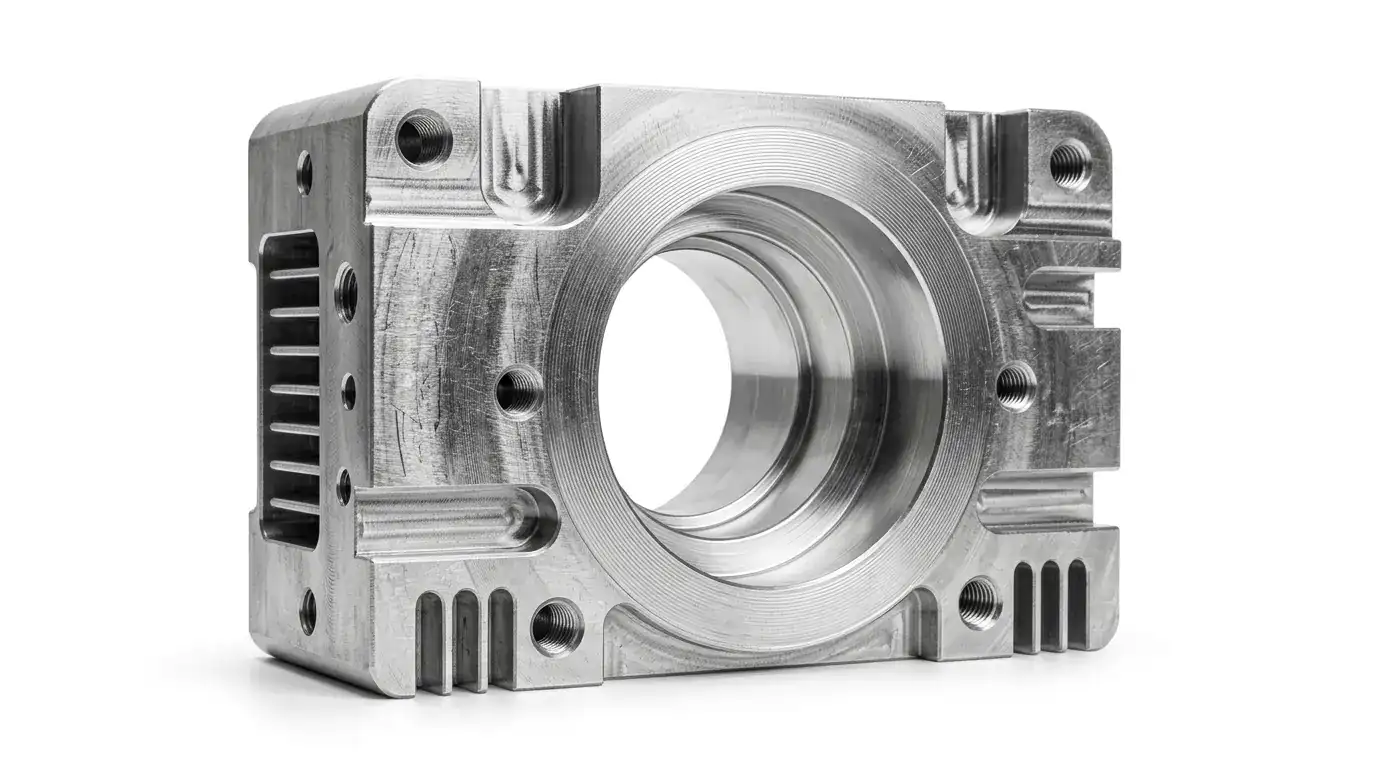
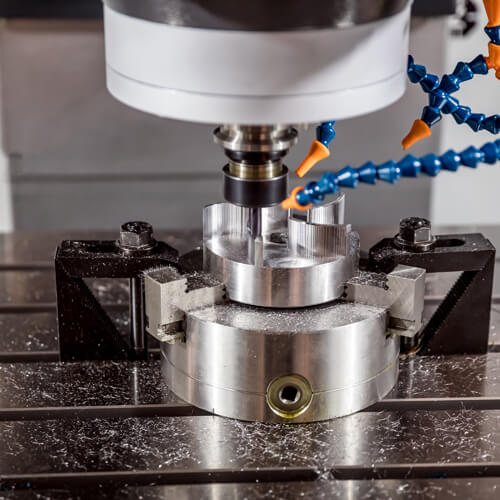
What factors affect the stability of CNC machining?

CNC machining is realized by CNC machine tools. Therefore, the stability of CNC machine tools directly affects the effect of CNC machining. What factors affect the stability of CNC machining?
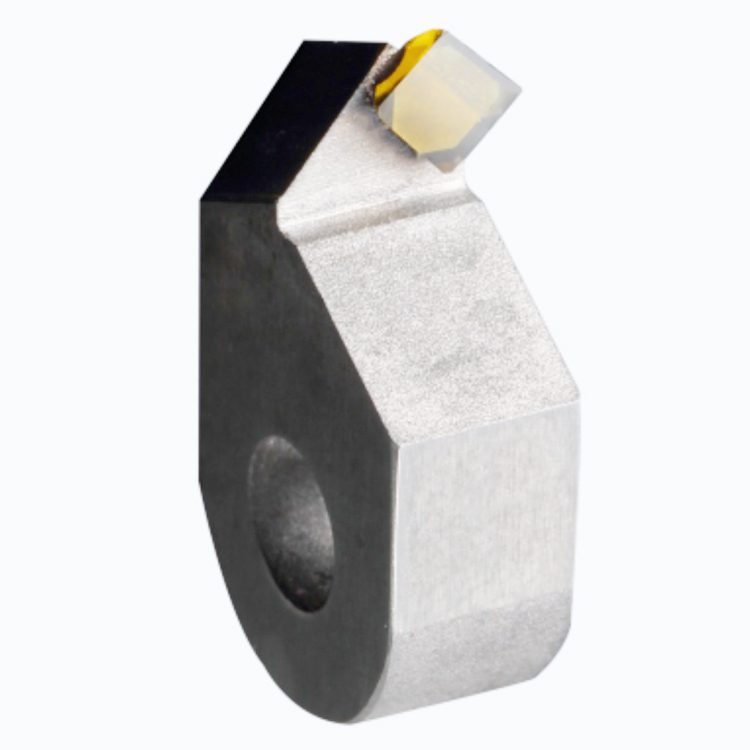
stability of CNC machining 1

1. Voltage stability

If the voltage is unstable, the actions of the moving parts of the machining machine will also appear some unstable states with the fluctuation of the voltage, such as the fast and slow phenomenon of tool movement and rotating speed, which will affect the stability of CNC machining.

2. Lubrication

Lubricating oil is needed between the contact surfaces of some parts in the machining machine to reduce the friction. If the lubricating oil is insufficient, the parts in the machine are easy to wear during operation, so it is easy to cause deviation in the machining accuracy of the workpiece in CNC machining, and even some defective products.

3. Mechanical components and parts

The parts and components used in general processing machinery should be replaced at intervals due to wear. However, if the quality of the parts used is not good, it is easy to cause excessive wear, and it is often easy to cause instability or even failure of CNC processing.

4. Heat dissipation problem

If the machine works for a long time without timely heat dissipation, it is easy to cause overheating inside the machine, or even shutdown, which affects the stability of processing.

 

Picture of Jacky

Jacky

Jacky is BDM at Batnon, writing about CNC machining, custom manufacturing, product development, and practical sourcing decisions.

Related Articles

01-precision-cnc-machining-inspection-parts-batnon

What Is Machining Precision Really Controlled by …

Most CNC precision problems are not caused by the machine alone. This article explains why datum strategy, fixturing, material stress, geometry, tool wear, inspection alignment, and post-processing often decide whether a machined part actually holds tolerance in assembly.

Read More »
Precision S. Steel Multi-port Fluid Control Valve Block for Hydraulics Pneumatics 1

When Precision Machining Is Necessary

Excerpt Option 1
Precision CNC machining becomes necessary when a feature directly controls assembly behavior or when finishing processes can change final geometry. This article explains where tight tolerance matters, what can go wrong, and how to judge precision by function instead of appearance.

Read More »
precision cnc machining fixing plate - batnon (1) (1)

When Precision Machining Is Necessary

Precision CNC machining is necessary when specific features control assembly performance or when finishing processes can change final geometry. This guide explains where tight tolerance matters and why precision should be applied by function, not appearance.

Read More »
Precision-vs-Standard-Use-Both_-Not-One-Everywhere

Precision vs Standard: Use Both, Not One Everywhere

Precision CNC machining and standard CNC machining are not opposites. The best manufacturing strategy often uses both on the same part: tight control for features that affect fit, motion, sealing, alignment, or safety, and standard tolerances for non-critical surfaces that do not change product performance.

Read More »