Why Tiny Errors Cause Big Problems?

Tiny Errors Causing Big Problems - Batnon

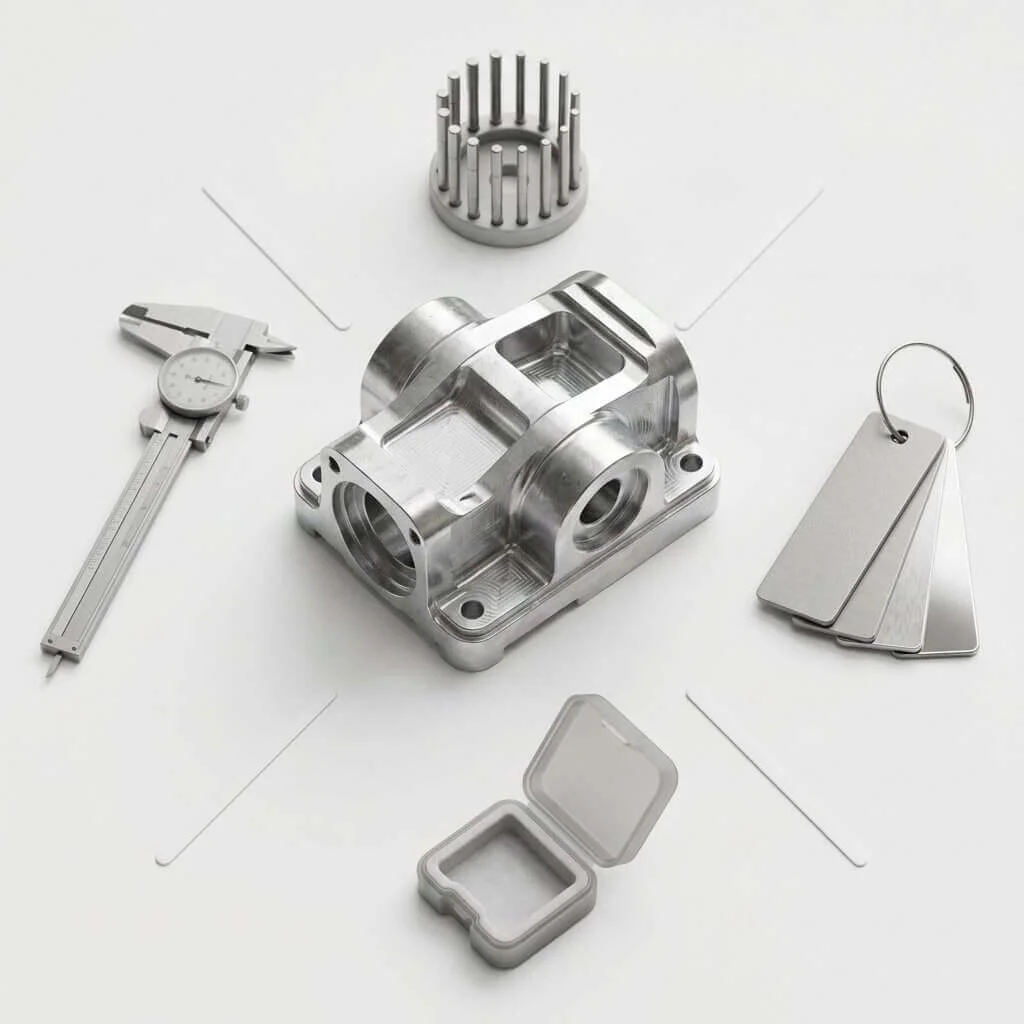
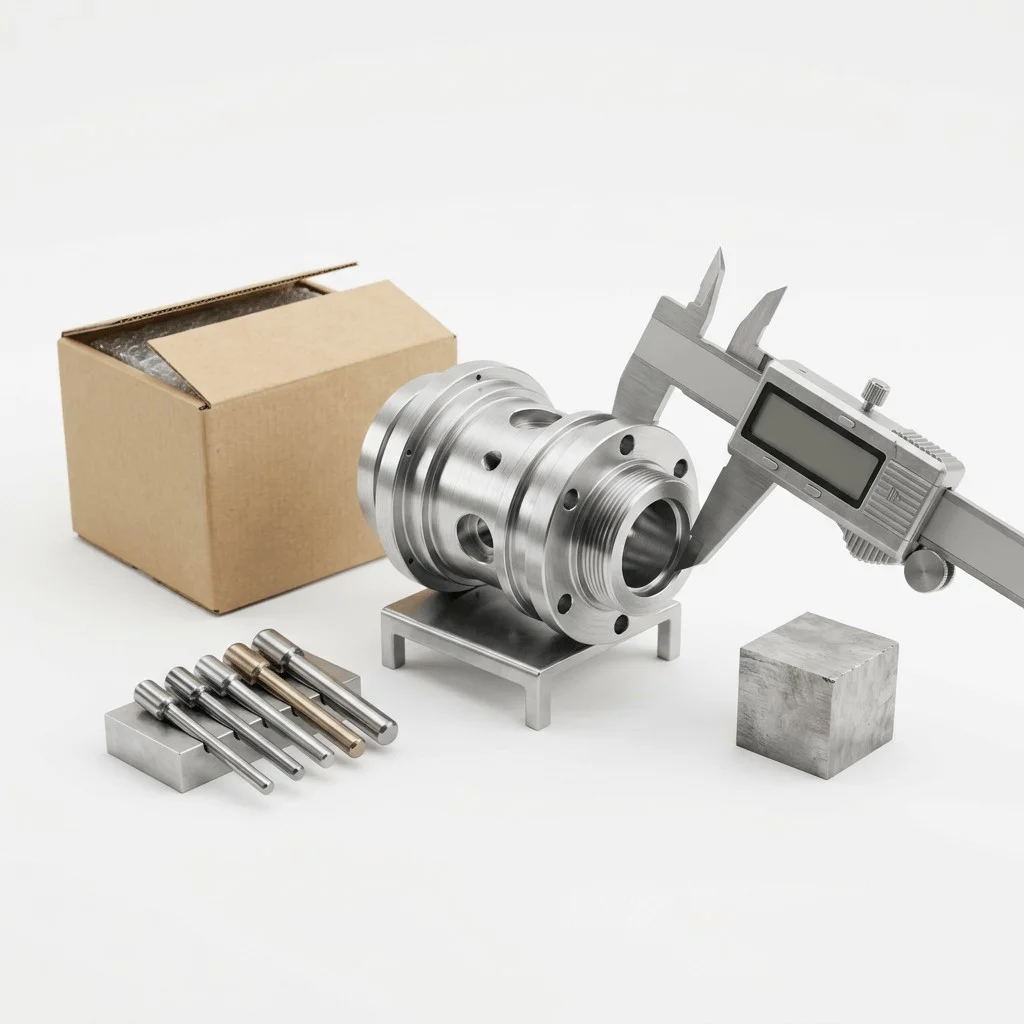
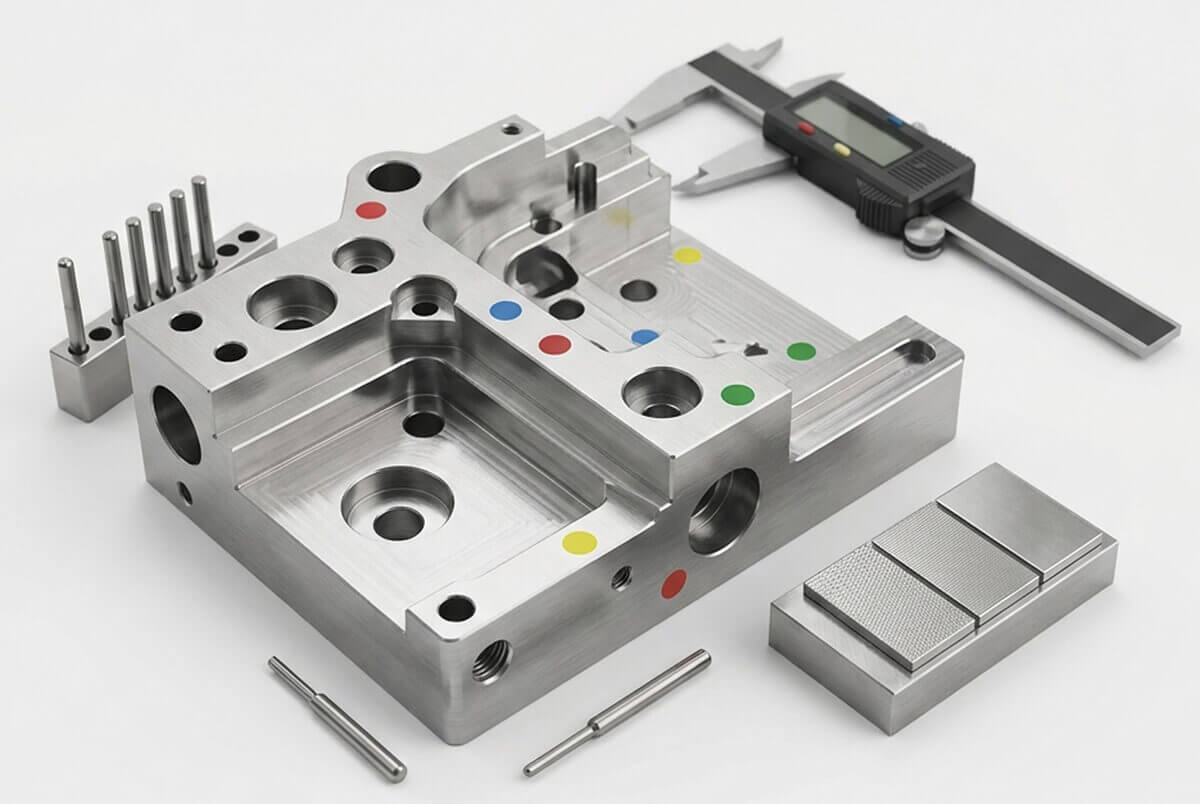
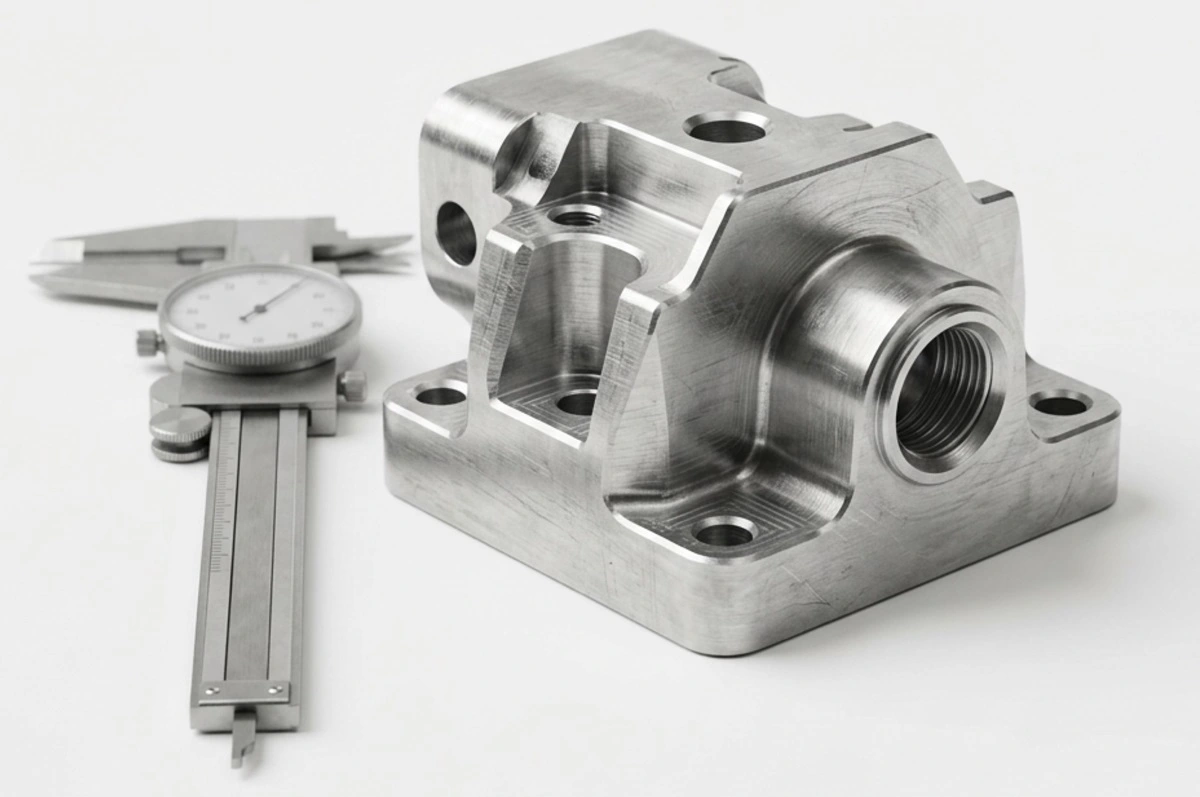
In a critical assembly, a part might look to be clean, shiny, and visually perfect, but fail when it goes into real work. This is why precision plays a key role in aerospace, medical devices, robotics, automation, and semiconductor equipment—because these assemblies do not tolerate small unfi.

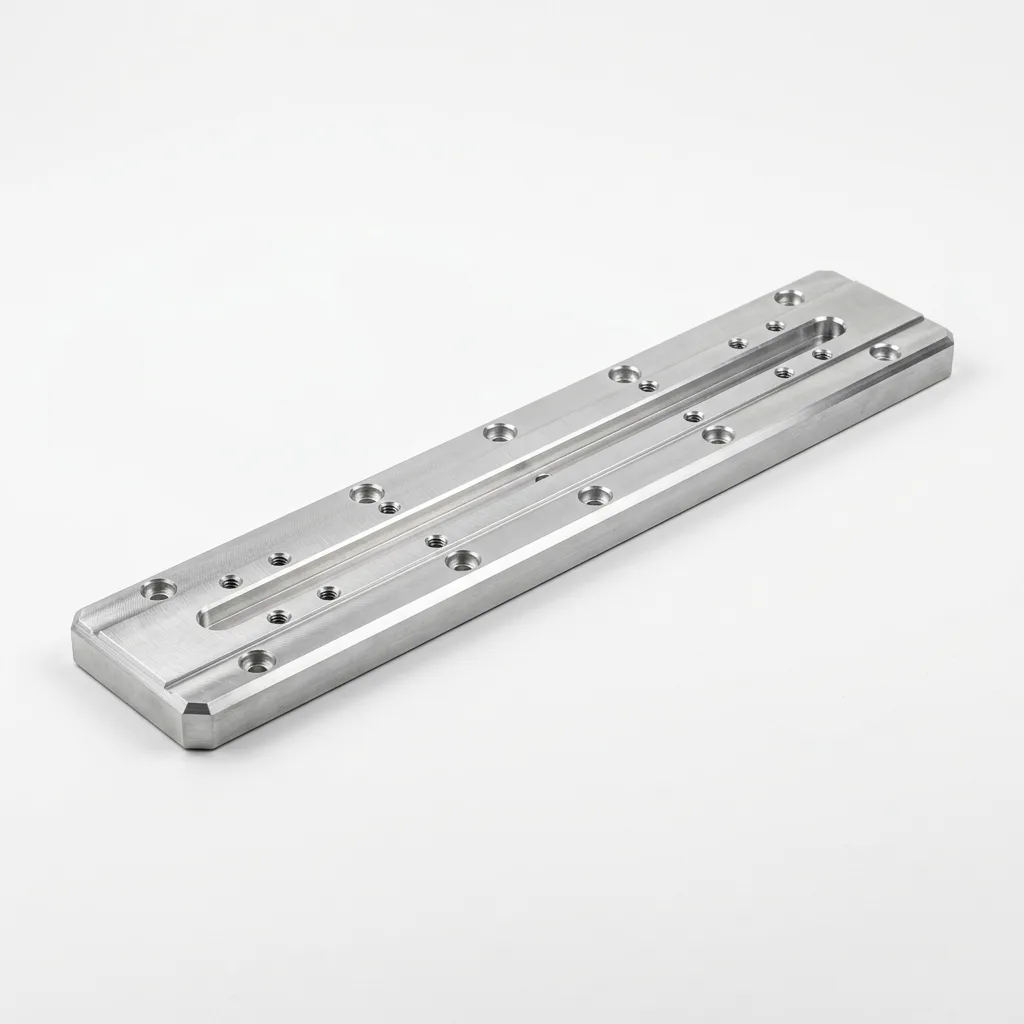
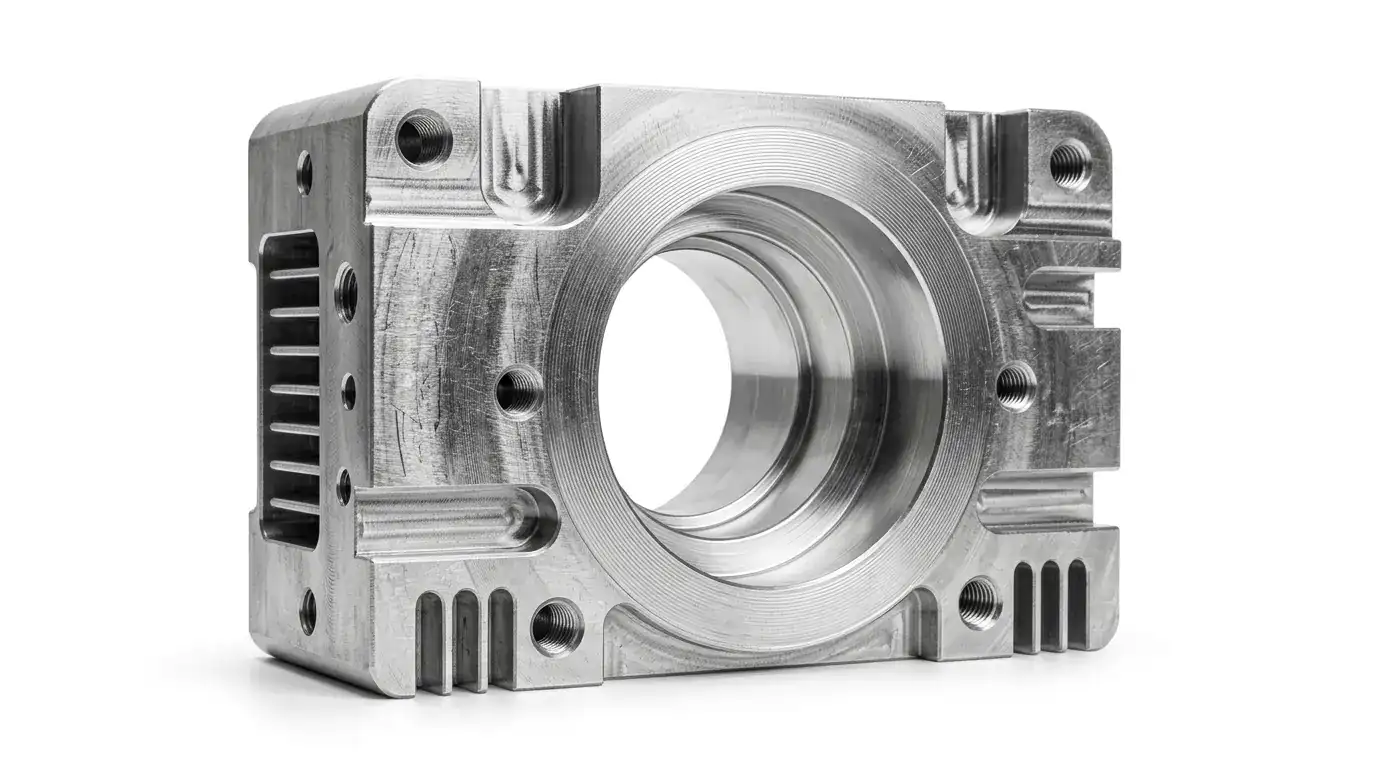
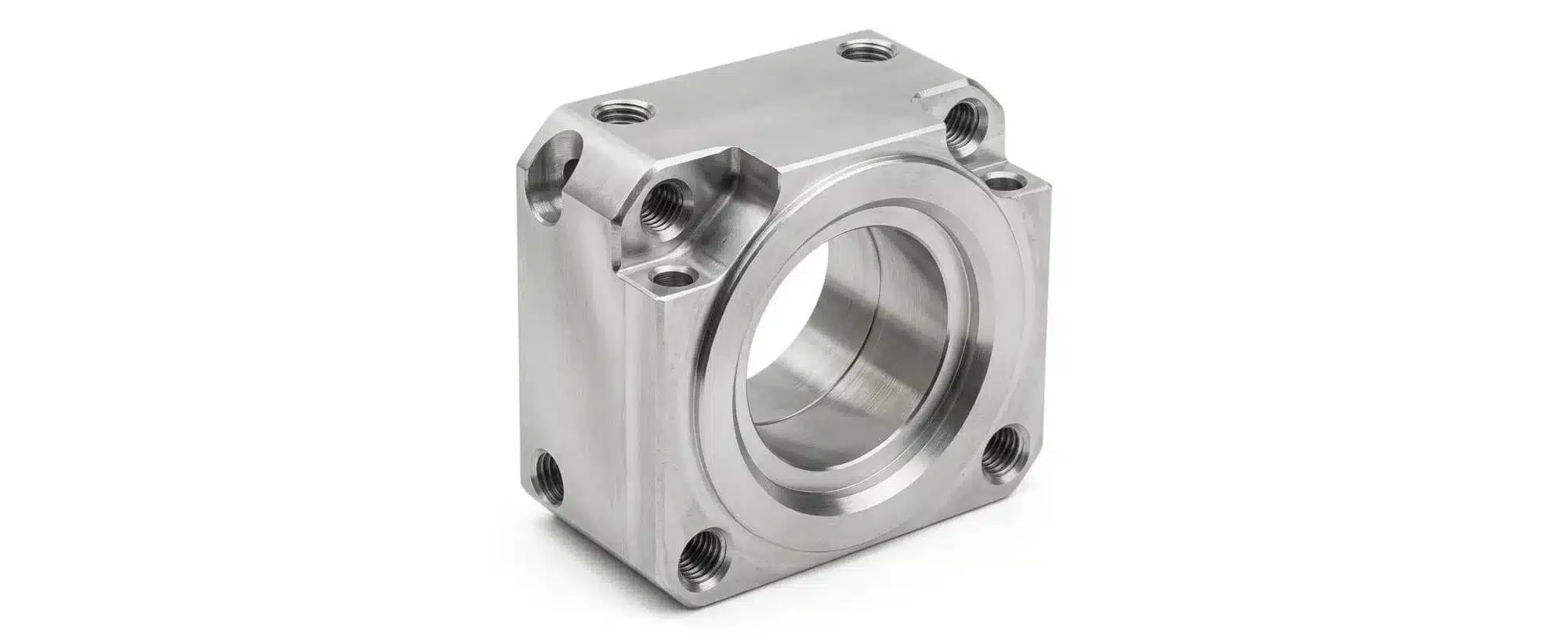
The difference becomes clearer when you compare a general bracket to a bearing seat (or a robotic joint fitting surface, a valve body sealing feature, or a locating datum). If a bracket hole is slightly off, the assembly may still go together with some adjustment. But when the feature controls fit, alignment, motion, or sealing, a tiny drift is not“minor”any more. It becomes vibration, leakage, misalignment, accelerated wear, or functional failure.

So precision is not about looking impressive. It is risk elimination.

Tight tolerances are not valuable because they sound advanced. They are valuable only when the assembly can not work well without them. One undersized bore, one shifted locating feature, or one out-of-position pattern can stop a production line, trigger rework, or escalate into expensive quality disputes—especially when multiple suppliers and inspection methods are involved.

As a buyer, when evaluating part requirements, the right question is not “does it look perfect?”but “what happens if this feature is drift a little?” If it directly drives performance, then even a very small error can become a very high cost.

Tiny Errors Cause Big Problems- Batnon
Picture of Jacky

Jacky

Jacky is BDM at Batnon, writing about CNC machining, custom manufacturing, product development, and practical sourcing decisions.

Related Articles

01-precision-cnc-machining-inspection-parts-batnon

What Is Machining Precision Really Controlled by …

Most CNC precision problems are not caused by the machine alone. This article explains why datum strategy, fixturing, material stress, geometry, tool wear, inspection alignment, and post-processing often decide whether a machined part actually holds tolerance in assembly.

Read More »
Precision S. Steel Multi-port Fluid Control Valve Block for Hydraulics Pneumatics 1

When Precision Machining Is Necessary

Excerpt Option 1
Precision CNC machining becomes necessary when a feature directly controls assembly behavior or when finishing processes can change final geometry. This article explains where tight tolerance matters, what can go wrong, and how to judge precision by function instead of appearance.

Read More »
precision cnc machining fixing plate - batnon (1) (1)

When Precision Machining Is Necessary

Precision CNC machining is necessary when specific features control assembly performance or when finishing processes can change final geometry. This guide explains where tight tolerance matters and why precision should be applied by function, not appearance.

Read More »
Precision-vs-Standard-Use-Both_-Not-One-Everywhere

Precision vs Standard: Use Both, Not One Everywhere

Precision CNC machining and standard CNC machining are not opposites. The best manufacturing strategy often uses both on the same part: tight control for features that affect fit, motion, sealing, alignment, or safety, and standard tolerances for non-critical surfaces that do not change product performance.

Read More »