
Assembly Reliability For Better Launches

Assembly Reliability For CNC Machined Parts Starts Before Build

If your team is looking for an assembly reliability checklist for CNC machined parts, the fastest win is not more inspection at the end. It is better part interfaces, clearer datums, smarter fastening, stronger error-proofing, and the right evidence package before volume builds begin.

Batnon supports design for assembly guidelines for low-volume manufacturing by connecting CNC machining, joining logic, inspection planning, and supplier-ready documentation into one practical review path. That makes Design For Assembly (DFA) and Design For Manufacturing And Assembly (DFM/DfMA) easier to act on, not just easier to talk about.
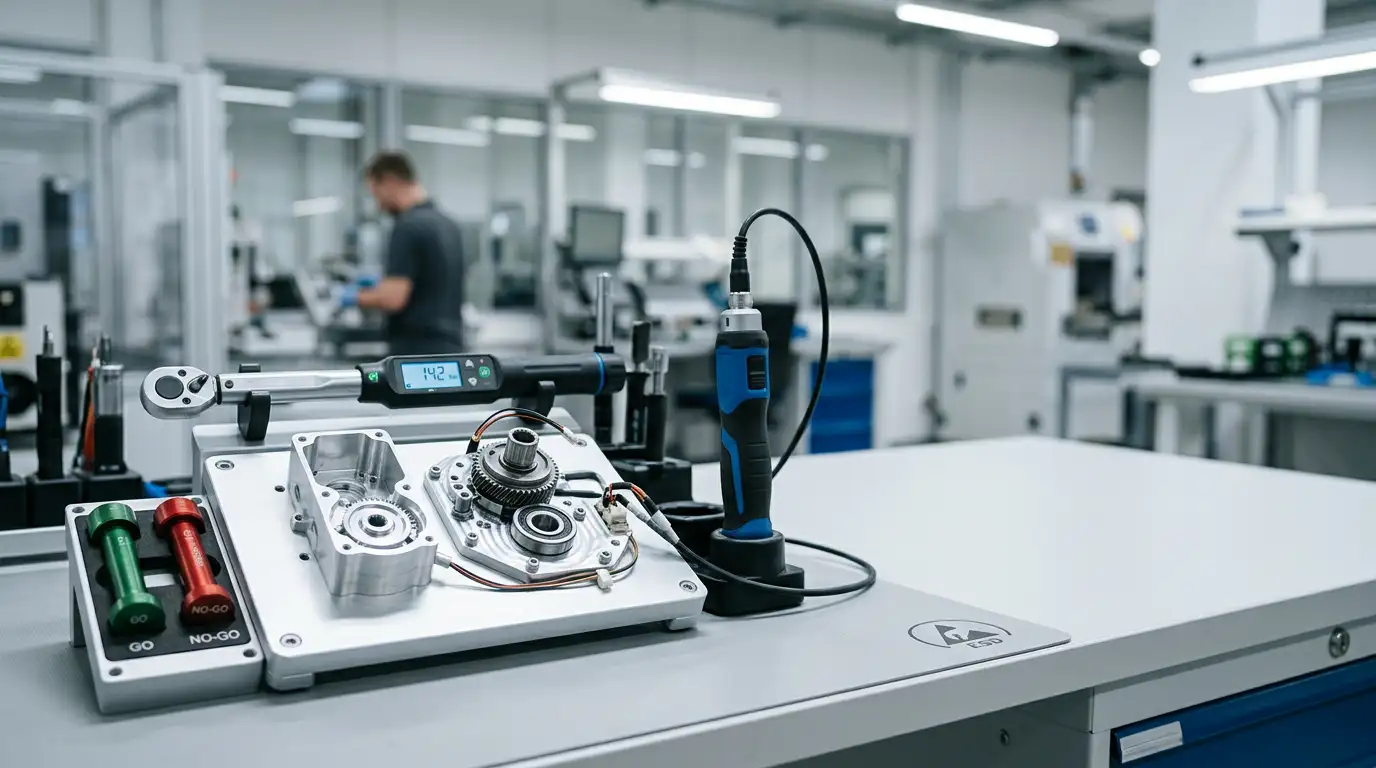
Tolerance Stack-Up Control Torque Retention Awareness FAI / FAIR Evidence Poka-Yoke Thinking
PreventReduce variation with clearer datums, more forgiving interfaces, and fewer avoidable assembly steps.
VerifyMatch CTQ features to the right checks, from go/no-go gauges to CMM and torque traceability.
ProveSupport supplier approval with inspection evidence, traceability travelers, and first-build documentation.
Assembly reliability support for machined parts with inspection and controlled assembly process
A Clear Reliability Model

Use A Four-Step Path To Stop Assembly Risk Earlier

Buyers asking how to prevent tolerance stack-up in mechanical assemblies usually discover that reliability fails in four places: the interface design, the joining method, the process controls, and the proof package. Batnon recommends a simple sequence: Prevent → Control → Verify → Prove.

Good Assembly Reliability Does Not Depend On One Tolerance Callout. It depends on the full relationship between GD&T datums for repeatable assembly alignment, feature criticality, hardware behavior, operator guidance, and evidence that the build actually followed plan.

Prevent Variation

Build in self-locating geometry, reduce unnecessary parts, and improve the datum scheme so the assembly naturally wants to go together the right way.

Control Joining

Use clear fastening methods, correct tightening sequence, and suitable hardware access so critical-to-quality (CTQ) features stay protected during build.

Verify What Matters

Apply the right checks to the right risk: alignment gauges, torque verification, sealing checks, and dimensional confirmation on true assembly-critical features.

Prove Supplier Readiness

Use travelers, CMM evidence, and first-build reporting to show repeatability, not just one-time success.

Where Reliability Breaks Down

1
Interface Risk

Weak locating surfaces, unclear datum transfer, or unmanaged tolerance stack-up lead to fit drift and inconsistent alignment.

2
Joining Risk

Poor hardware choice, unstable torque windows, or inaccessible tools create loosening, distortion, and hidden misses.

3
Process Risk

No orientation control, no go/no-go method, and no error-proofing let rework multiply during ramp.

4
Proof Risk

Without a consistent record of CTQs, inspections, and traveler history, supplier approval becomes slower and more subjective.

What Buyers Should Request Early

  • A stated CTQ list tied to function, not only print dimensions.
  • Assembly-critical datums with clear reference direction.
  • Joining notes for torque, inserts, adhesives, or verification steps.
  • Error-proofing ideas where wrong orientation or missed steps are possible.
  • Evidence level matched to risk, not one generic inspection standard for every part.
Checklist And Evidence Package

Send The Right Inputs Before RFQ And Reliability Review Gets Sharper

A strong supplier review starts with a practical checklist, not a generic “inspect everything” request. If you need a go/no-go gauge strategy for assembly critical features or a first article inspection package for machined assemblies (FAI/FAIR), define the critical interfaces first, then match each one to the right control method.

Inspection evidence for supplier approval (CMM report, FAI) is strongest when it is connected to function. Buyers move faster when they can see the CTQ features, the measurement method, the acceptance logic, and the traceability record in one view.

Pre-RFQ Assembly Reliability Checklist

  • Identify which interfaces are sealing, alignment, electrical, cosmetic, or load-bearing.
  • Mark CTQ dimensions and the datum references that control them.
  • State whether the risk is fit, torque retention, orientation, debris, or wear over time.
  • Call out hardware class, insert type, adhesive or locking method, and tightening requirement where relevant.
  • Request only the evidence needed: gauge checks, CMM, torque records, traceability traveler, or First Article Inspection (FAI) / First Article Inspection Report (FAIR).
  • Clarify quantity stage: prototype, pilot, low-volume launch, or steady repeat order.
  • State packaging or handling notes if the assembly is sensitive after machining or build.

Evidence Matrix For Supplier Approval

Risk Best Control Why It Helps
Alignment drift GD&T datums for repeatable assembly alignment + CMM Improves repeatability and shows that mating features are measured from the correct reference system.
Missed fit condition Go/no-go gauge strategy for assembly critical features Speeds inspection on high-use interfaces while protecting true functional limits.
Hidden process variation Traveler + lot traceability + process capability review Links each build to controlled steps, recorded lots, and repeatable process windows.
First-build risk First article inspection package for machined assemblies (FAI/FAIR) Provides structured accountability before the build pattern scales.
Fastener loosening Torque spec + verification record + retention logic Supports more stable tightening outcomes and easier root-cause review if problems appear later.
Three Reliability-Focused Cases

Use Design, Error-Proofing, And Evidence To Reduce Rework

These cases show how fastener torque verification and traceability for assemblies, poka-yoke fixture design for error-proof assembly, and better documentation can move reliability from “post-build reaction” to “pre-build control.”
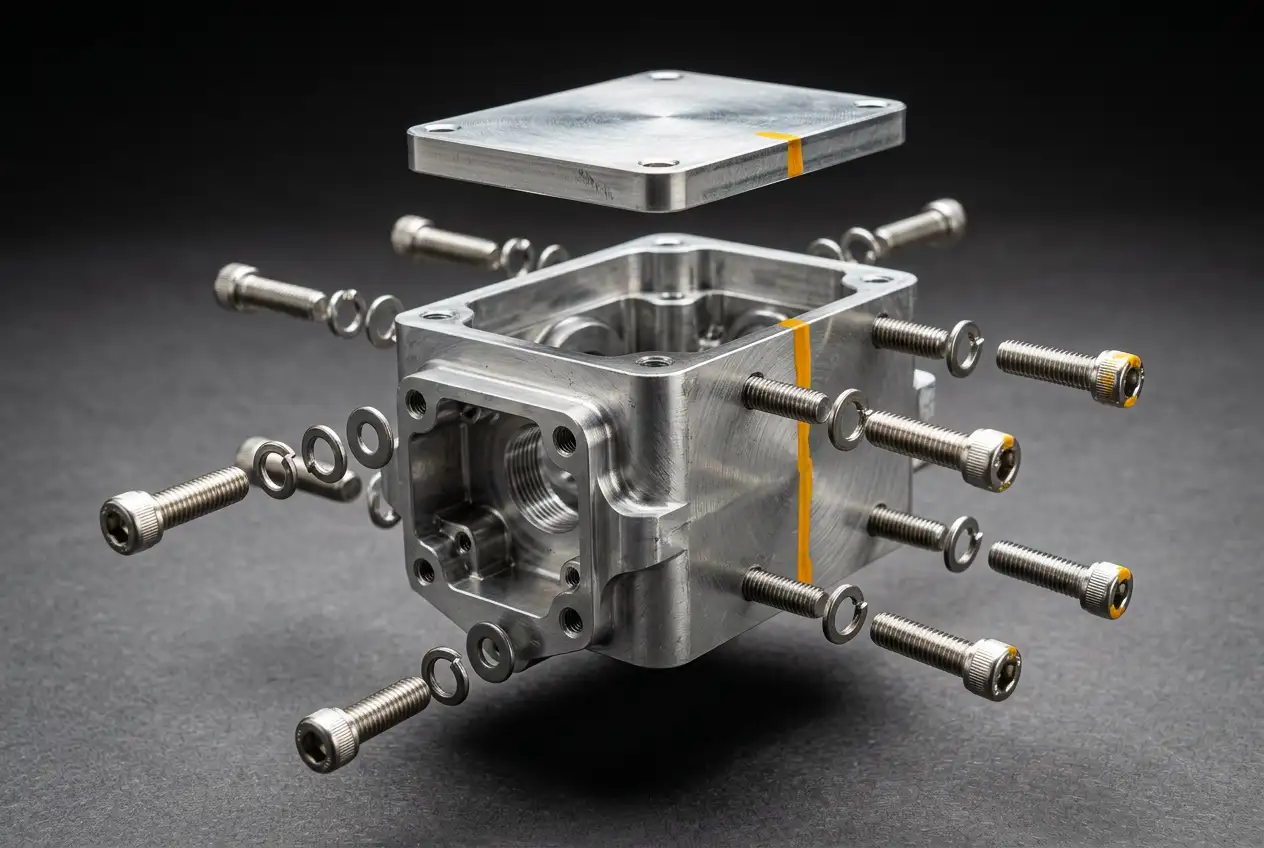
Case example showing fastener loosening risk in a machined assembly

Case 1: Fastener Loosening In A Vibration-Prone Build
ProblemA low-volume assembly passed bench fit checks but showed early loosening during repeated handling because clamp load control and torque verification were not clearly tied to CTQ joints.
SolutionRework the joint definition, specify tightening sequence, set verification points, and introduce a simple record for fastener torque verification and traceability for assemblies.
ResultThe build became easier to repeat across operators, with fewer unclear steps and better review of torque retention risk.
ImpactLower rework pressure during launch and stronger confidence for supplier approval discussions.
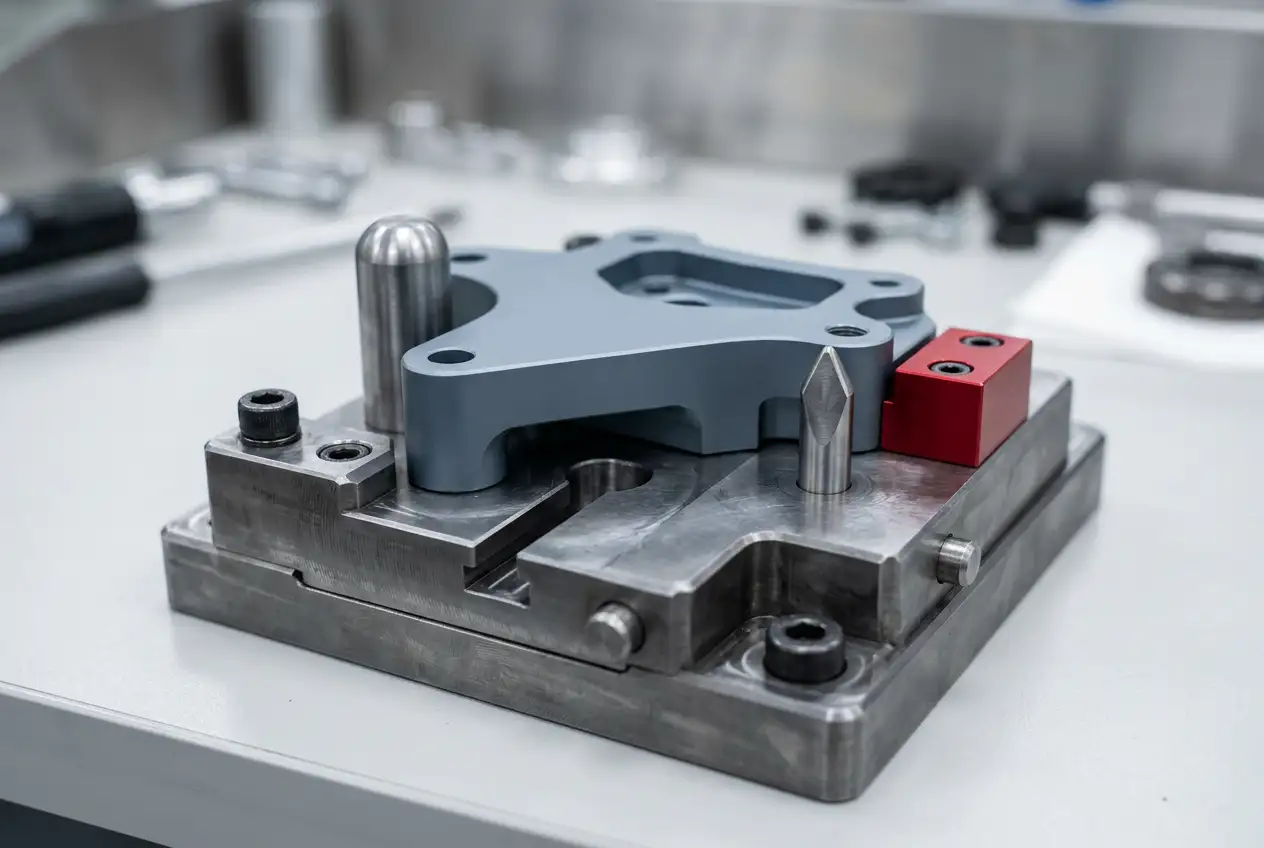
Case example of poka-yoke fixture design for error-proof assembly

Case 2: Wrong-Part Orientation During Manual Assembly
ProblemAn interface could be assembled in more than one orientation, creating a hidden build risk and a repeating rework loop during early production.
SolutionIntroduce poka-yoke fixture design for error-proof assembly, clearer locating features, and a fixture condition that makes incorrect loading impossible or immediately visible.
ResultOperator dependence dropped and assembly guidance became more robust without slowing the cell.
ImpactA stronger path for reducing rework in assembly with mistake-proofing and fewer avoidable nonconformances during pilot builds.
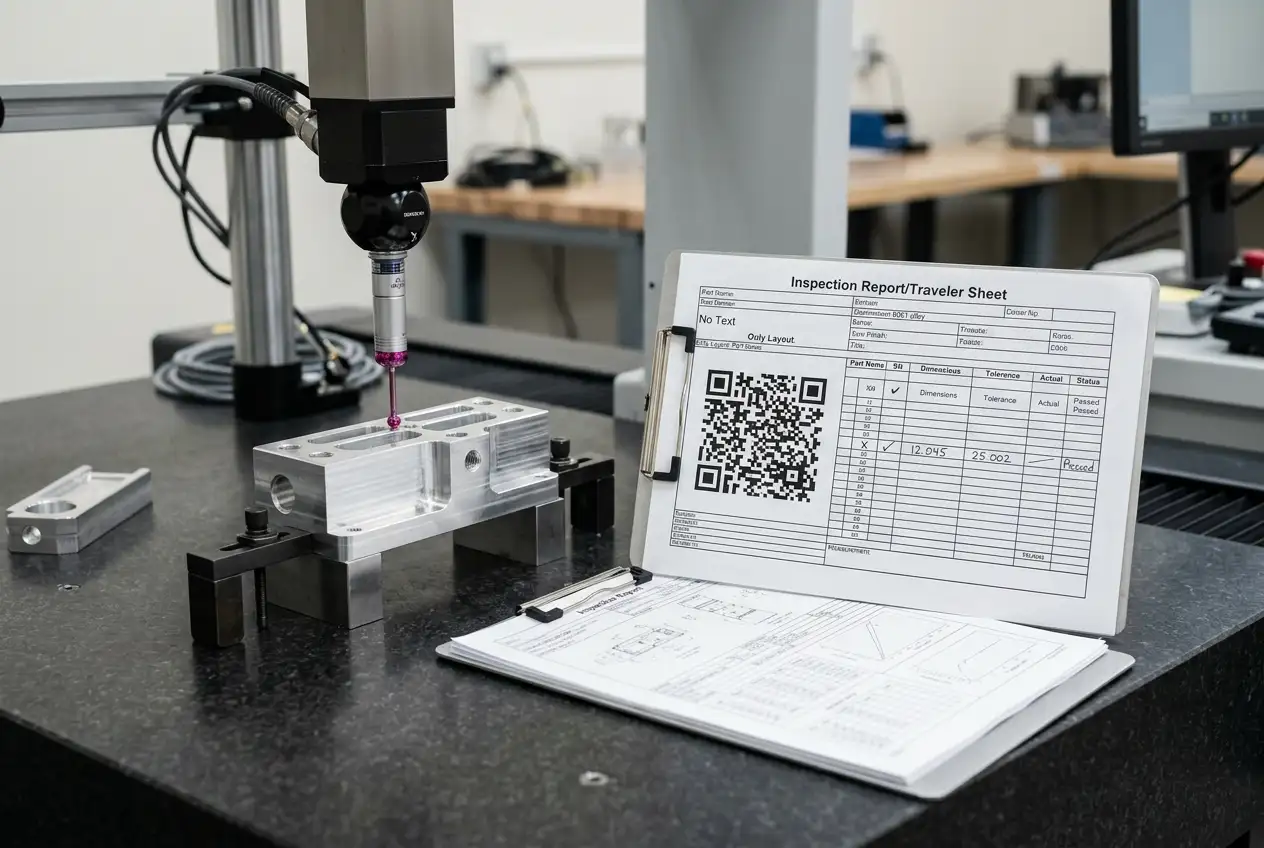
Case example showing traceability and inspection evidence for supplier approval

Case 3: Supplier Approval Needed More Than A Single Report

ProblemThe buyer needed proof that alignment features, process flow, and first-build inspection were controlled, but the original package lacked enough traceability to support approval.
SolutionAdd a traveler, link ballooned requirements to measurements, and strengthen inspection evidence for supplier approval (CMM report, FAI) around assembly-critical features.
ResultThe evidence package became easier to review because design intent, process execution, and measured results were connected.
ImpactFaster buyer review cycles, fewer clarification loops, and a cleaner bridge from machining to reliable assembly launch.
FAQ For Search And Buyer Clarity

Short Answers To Common Assembly Reliability Questions

This section is written for easy scanning, stronger indexing, and direct buyer education around DFA, inspection evidence, supplier approval, and low-volume launch reliability.

What Does Assembly Reliability Mean For CNC Machined Parts?

It means the finished build keeps functioning over time, not only that each part passes print. Reliable assemblies hold alignment, torque, sealing, electrical continuity, and fit under real use conditions.

How Do You Prevent Tolerance Stack-Up In Mechanical Assemblies?

Start with a clear datum scheme, identify CTQ interfaces, and avoid applying tight tolerances everywhere. Control only the dimensions that truly drive fit, alignment, sealing, or motion.

When Should I Use GD&T Datums For Repeatable Assembly Alignment?

Use them when interface relationships matter more than isolated dimensions, especially for patterns, mating surfaces, sealing faces, and multi-part alignment features.

What Is A Practical Assembly Reliability Checklist For CNC Machined Parts?

Define the functional interfaces, list the failure mode, match CTQs to inspection methods, specify joining controls, and request only the evidence package needed for your launch stage.

How Does Poka-Yoke Fixture Design Reduce Assembly Errors?

Error-proofing makes the wrong action impossible or immediately obvious. That helps prevent reversed orientation, missed steps, and hidden defects before they move downstream.

When Do I Need A First Article Inspection Package For Machined Assemblies?

Use it for new products, major drawing or process changes, or production transfers. It gives a structured first-build record before the pattern scales into broader supply.

What Inspection Evidence Helps With Supplier Approval?

A useful package may include CMM data, ballooned drawings, traveler traceability, torque records, and FAIR documentation tied to the assembly-critical characteristics.

Can Batnon Support Low-Volume U.S. And Canadian Assembly Programs?

Yes. Batnon can support low-volume programs with machining review, assembly-critical inspection planning, documentation alignment, and practical communication before production starts.

Assembly Reliability Summary

Reliable Assembly Support For Machined Parts

Assembly reliability is usually decided early: datum choices, interface logic, fastening strategy, and what evidence will be required at approval. This section summarizes what Batnon focuses on so your team can align requirements quickly and avoid rework, delays, and inspection disputes.

What We Review

CTQ features, datum strategy, tolerance stack-up risks, fastening and orientation mistakes, and the inspection plan needed to prove assembly-critical geometry.

What You Receive

Clear DFM/DFA feedback, a quote that matches the approved plan, and a practical evidence package path (CMM report, FAI) when your program requires it.

If your concern is repeatable fit, lower rework, or faster first-build approval, share the CAD and call out assembly-critical interfaces. We will help define what must be controlled and what can stay flexible to keep pricing competitive.

Start With A Practical Review

Send CAD, critical assembly features, quantity stage, and any target documentation. Batnon can review the risk points before quote and help your team reduce avoidable assembly surprises.