
Ultimate Guide
CNC Machining Vs Die Casting: Which One Is Right For Your Part?
Stop guessing. Our detailed comparison of cost, lead time, tolerances, surface finish, and design flexibility will help you select the optimal process for your precision components.
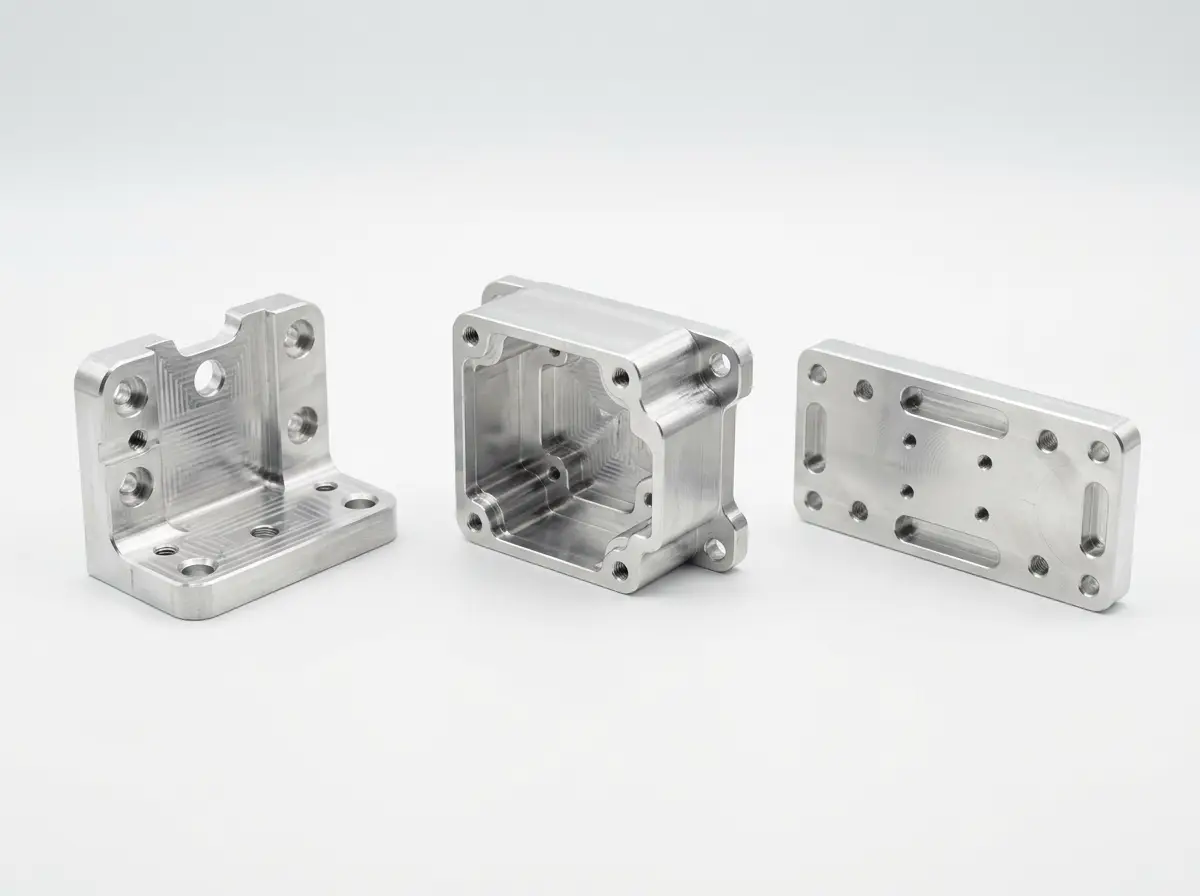
CNC Machining Is Best For
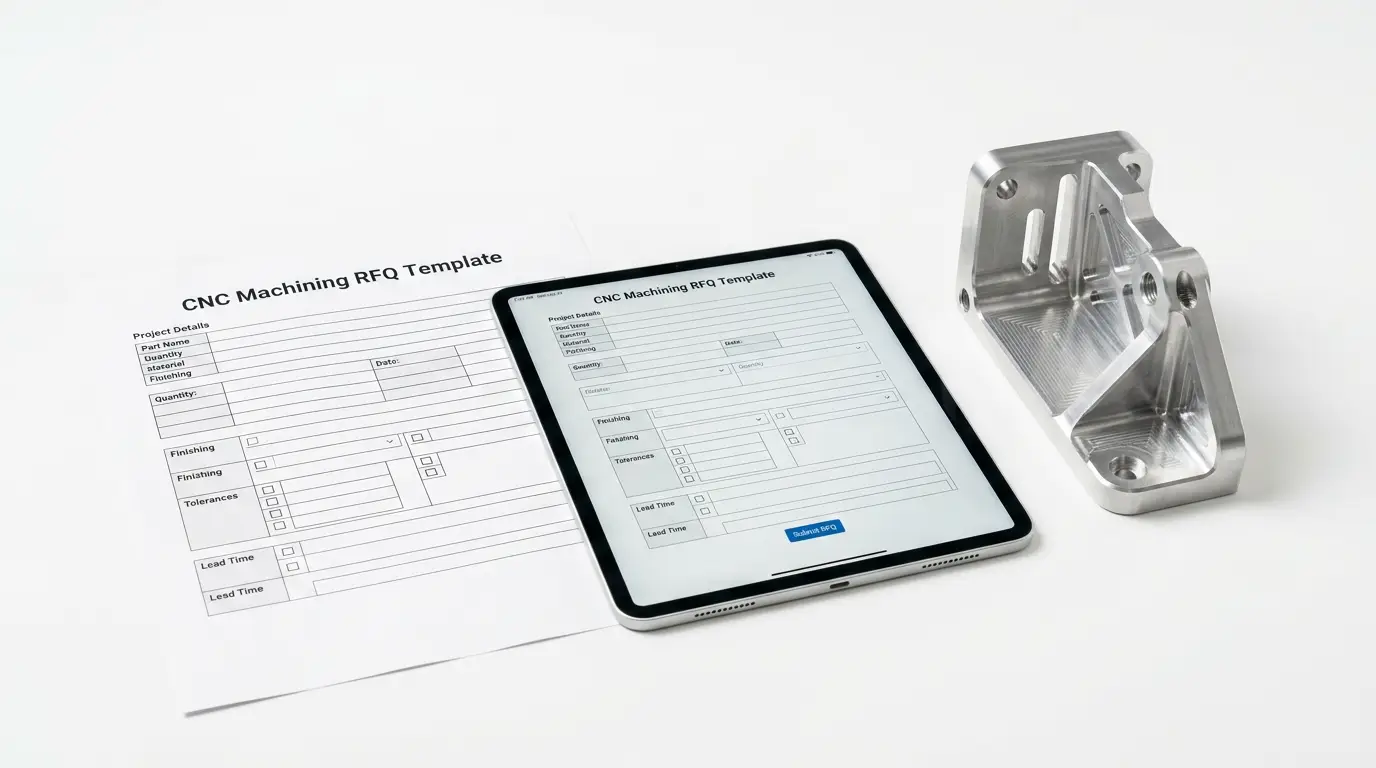
✔ Prototypes and Low Volume: At quantities below 500–1,000 parts, no tooling cost makes CNC significantly cheaper.
✔ High-Precision Critical Features: Tolerances tighter than ±0.05 mm, precision bores for bearing fits, and thread forms are impossible in as-cast parts.
✔ Materials Outside Die Casting Alloys: Steel, stainless steel, titanium, and many non-standard aluminum alloys can only be machined.
✔ Complex Internal Features: Internal channels, undercuts, and passages that cannot be formed by a two-part die.
✔ Evolving Designs: Changes require zero retooling, making it ideal for iterative development.
Die Casting Is Best For
✔ High-Volume Production: Above 5,000–10,000 units, the cycle time advantage and low labor content drive per-unit costs far below CNC.
✔ Complex Net-Shape Geometry: Thin walls (down to 0.5mm), integral ribs, and complex external geometry in a single shot.
✔ Excellent Dimensional Consistency: Hundreds of thousands of parts with exceptional repeatability. Ideal for consumer goods and enclosures.
✔ Smooth As-Cast Surface Finish: Fine surface finish (Ra ~3 µm) suitable for painting, polishing, or coating.
✔ Stable, Long-Term Supply: For established product lines with no anticipated design changes, die casting is highly cost-effective.
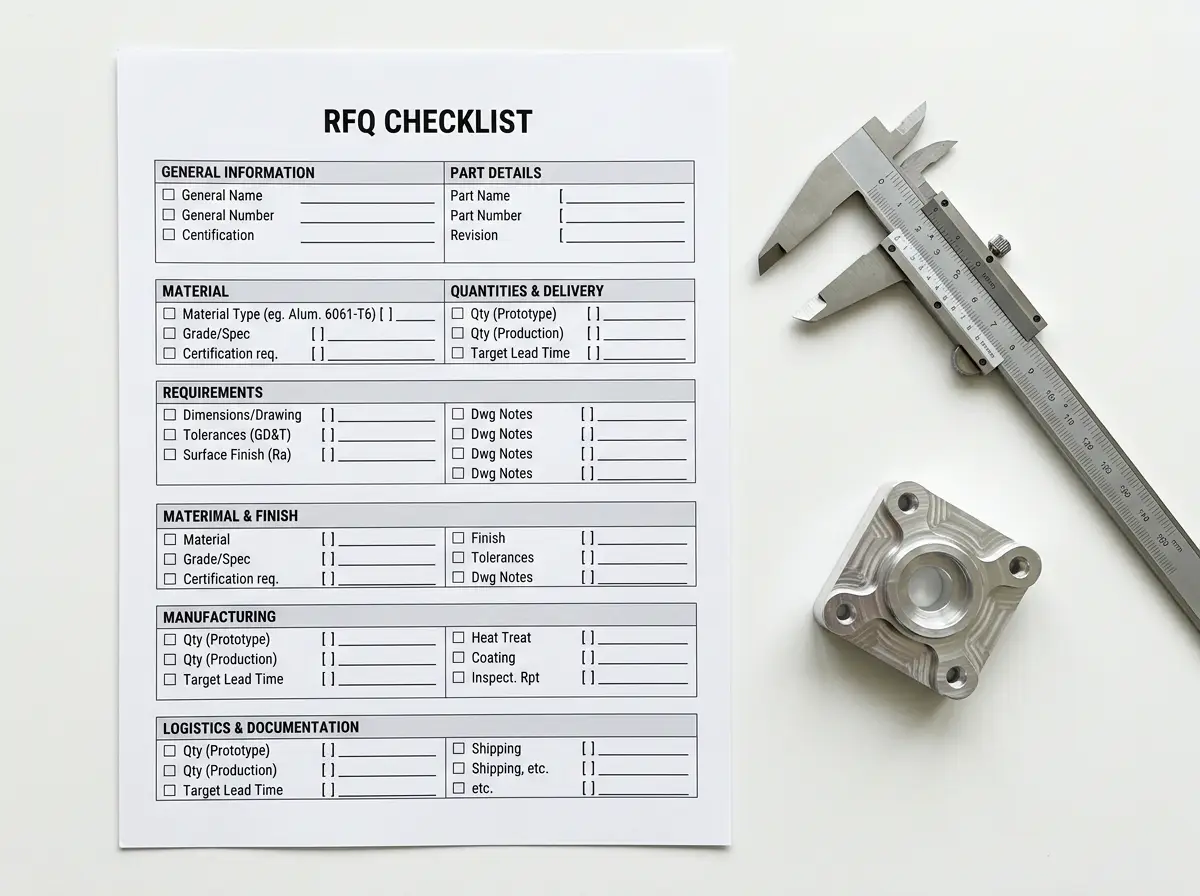
RFQ Checklist: What To Prepare For Accurate Quotes
📐
3D CAD Model
Provide a 3D CAD model (STEP is preferred) to define the geometry.
📄
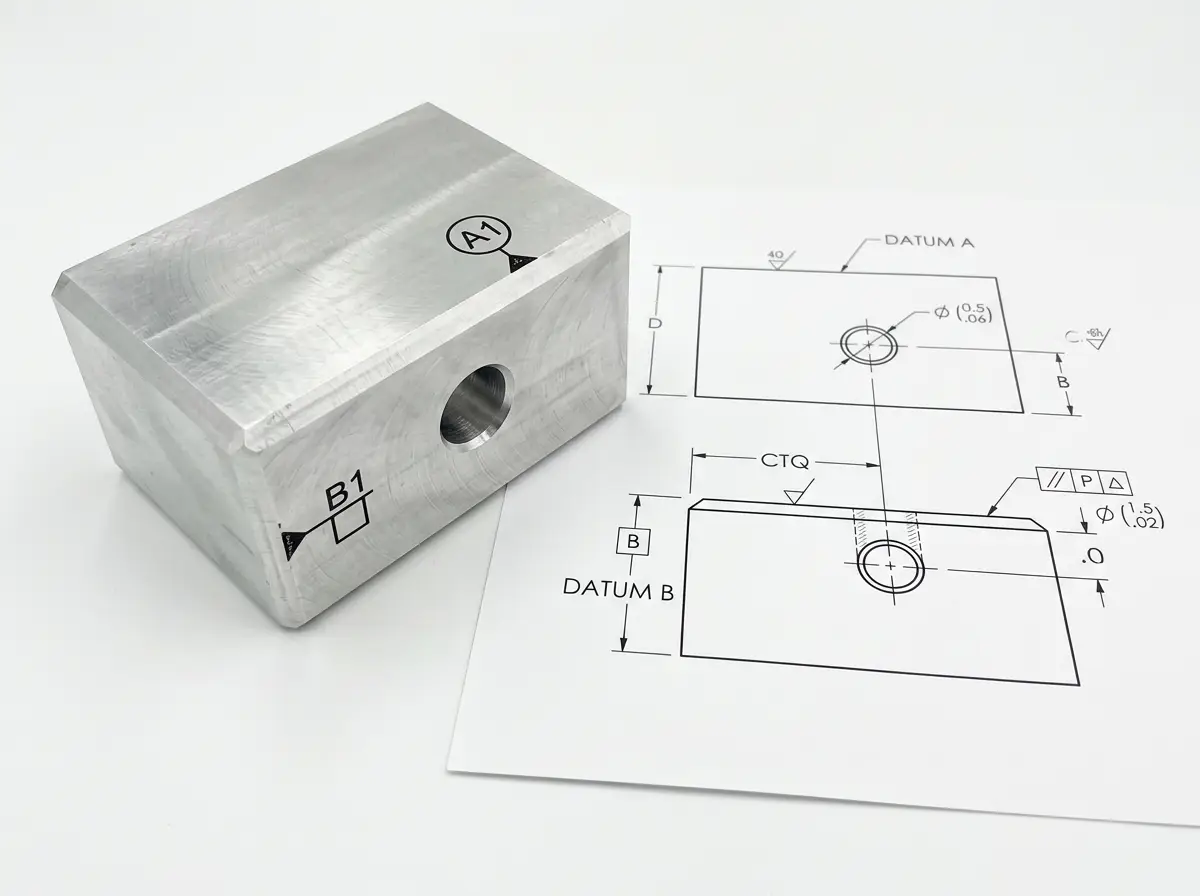
2D Drawing With GD&T
Include all critical dimensions, geometric tolerances, surface finish, and notes.
🔬
Inspection Requirements
Specify if a standard report, CoC, CMM, or FAI is needed.
Case Study: Aerospace Bracket – From Prototype To Production
Problem: A client needed a critical structural bracket for an unmanned aerial vehicle. Initial volumes were 50 units for validation, with a potential need for 15,000+ units annually.
Solution: We advised a hybrid approach – CNC machining for 50 prototypes, then design optimization for die casting.
Result: The machined parts validated the design. Die cast parts met all functional requirements after minor CNC finishing.
Impact: 60% reduction in per-unit cost at full production volume, with no delay in development timeline.