
CNC Cost Optimization For Faster, Cleaner Quotes
This practical guide to CNC machining cost optimization helps you identify the real cost drivers, choose the lowest-risk design changes, and reduce rework—so you can reduce CNC machining cost without sacrificing fit, function, or inspection confidence.
Diagnose
Spot CNC machining cost drivers in minutes.
Decide
Pick changes with the best cost-to-risk ratio.
Validate
Keep tolerances and inspection aligned to function.
Act
Send CAD + critical requirements for feedback.
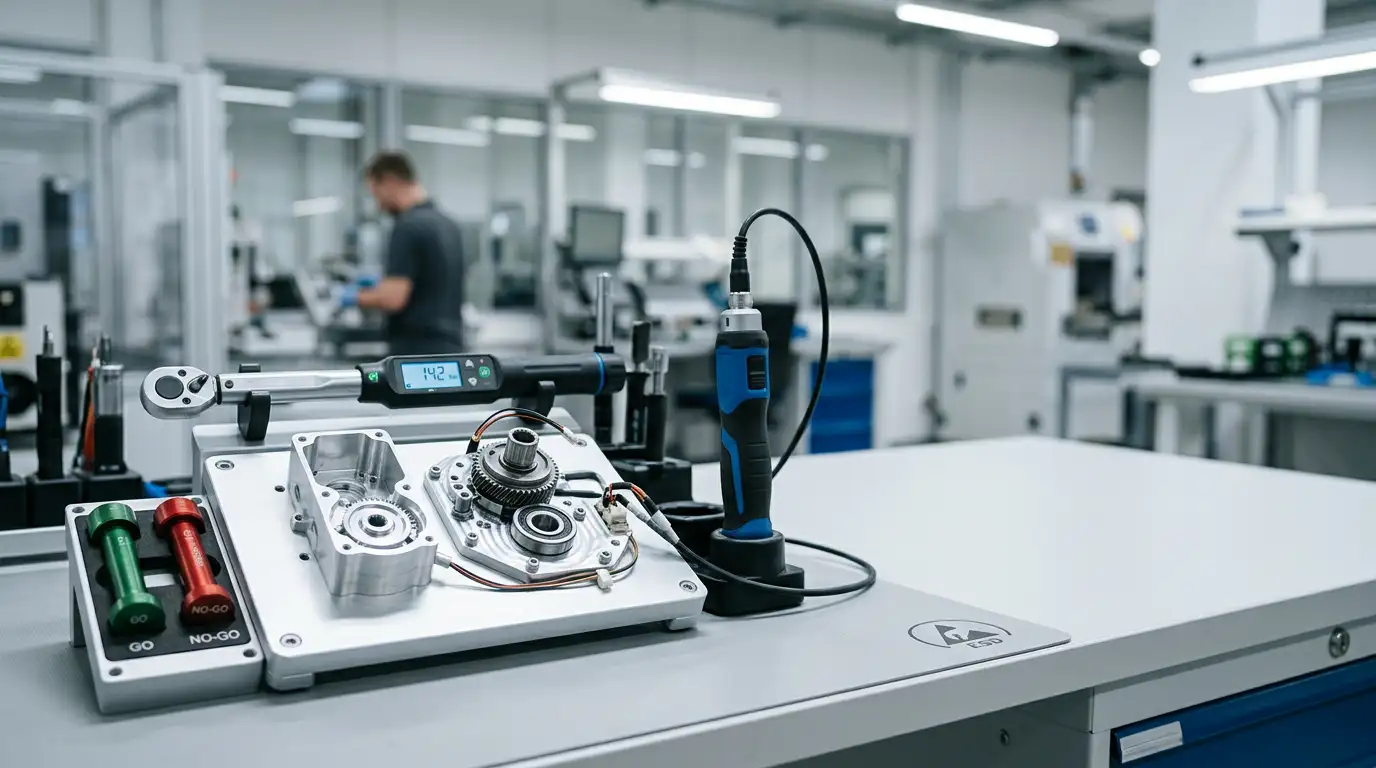
The Four Buckets Behind Most CNC Quotes
Most CNC machining cost calculation logic can be explained by a few buckets: material, machining time, setup/programming, and inspection/finishing. Optimizing cost means reducing the biggest bucket that you can change safely.
| Cost Bucket | What In Your CAD Triggers It | Low-Risk Moves |
|---|---|---|
| Material | Expensive alloys, non-standard stock size, low machinability materials. | Switch to a more machinable grade, standardize stock, redesign to reduce billet volume. |
| Machining Time | Tight internal corners, deep pockets, thin walls, complex 3D surfacing. | Increase internal radii, reduce pocket depth, avoid tiny tools, consolidate features. |
| Setup / NRE | Many orientations, angled features, undercuts, difficult workholding. | Re-orient features to principal axes, remove undercuts, design for 1–2 setups. |
| Inspection / Finish | Very tight tolerances, complex datums, cosmetic finishing, multiple masks. | Apply tight tolerances only on interfaces, simplify datums, choose one finish. |
Rules-of-thumb and driver definitions are aligned with published machining design guides from leading digital manufacturers (see references: Hubs/Protolabs Network, Protolabs, Xometry, Fictiv).
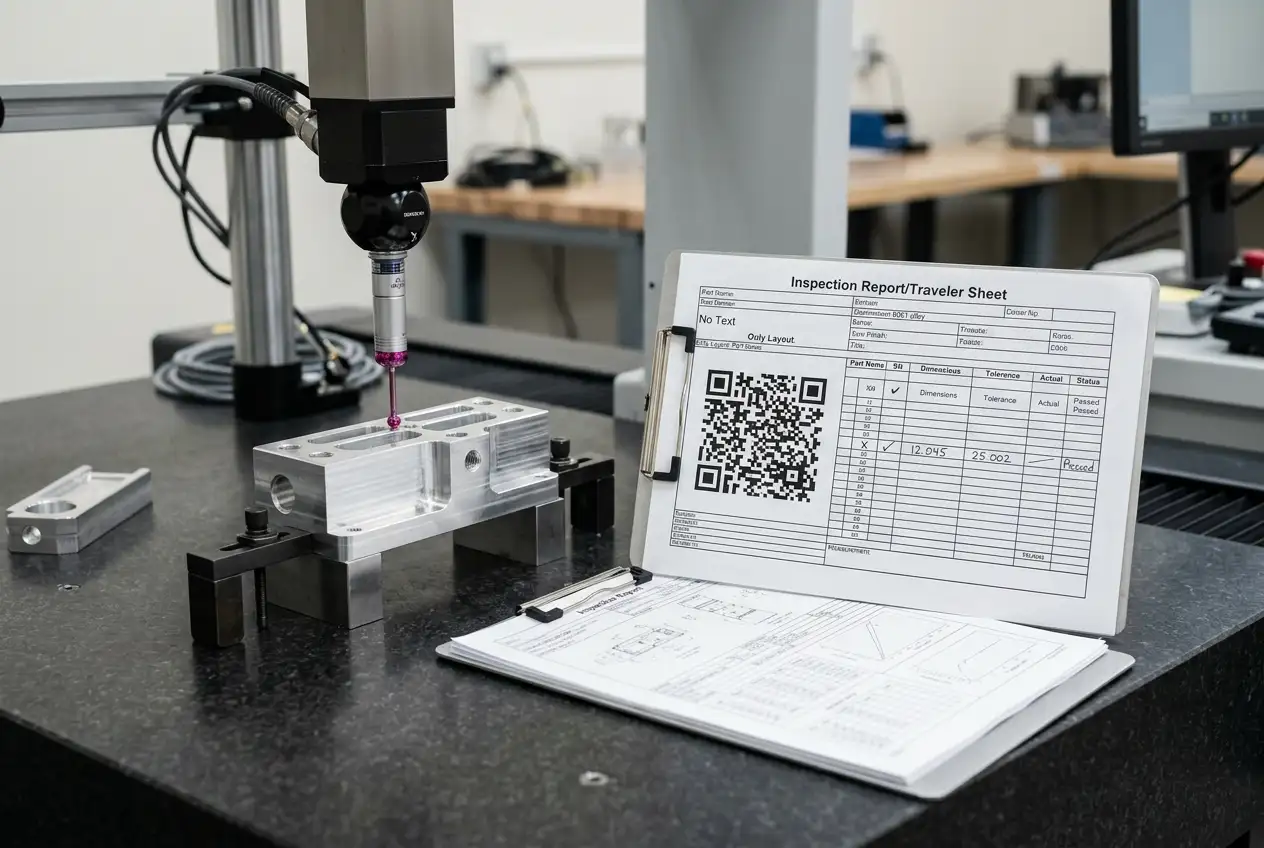
Fast Diagnostic Question
If you remove one feature from the model, which one would make the part easiest to hold and machine? That feature is usually a top driver.
If-This-Then-That: A Fast Cost Diagnostic Matrix
Competitor pages talk about CNC machining cost drivers. This matrix helps you act: spot the symptom in your CAD, choose the lowest-risk change, and predict what bucket you’re reducing (material, cycle time, setup/NRE, or inspection). Use it before you request a quote or when you want to reduce CNC machining cost without risking fit.
| If You See This In CAD | Try This Change First | Why It Lowers Cost |
|---|---|---|
| Tiny internal corners (sharp pockets) | Increase internal corner radius (even small increases help) | Larger tools run faster and last longer → lower cycle time + tooling wear. |
| Deep pockets / tall walls | Reduce pocket depth, add ribs, or split into two parts only if needed | Long tools chatter → slow feeds + rework → higher time and scrap risk. |
| Multiple orientations (angled faces, side holes) | Re-orient features to principal axes or consolidate to one face | Fewer setups reduce setup time (NRE) and variation from re-datum. |
| Very tight tolerances everywhere | Mark CTQs only; apply general tolerances elsewhere | Tight limits drive slower finishing + more inspection/metrology time. |
| Cosmetic finishing on all faces | Define cosmetic zones + masking notes | Limits finishing labor and avoids touching functional faces unnecessarily. |
| Non-standard stock size / lots of removed material | Reduce billet volume; select standard stock; consider alternate grade | Lowers raw material cost + reduces machining time removing “waste”. |
What We Need To Apply This To Your Part
For a faster, cleaner quote: send STEP + drawing (for GD&T), quantity, material/spec, finish, and highlight the features that must not change. That’s the difference between guessing and true CNC machining cost optimization.
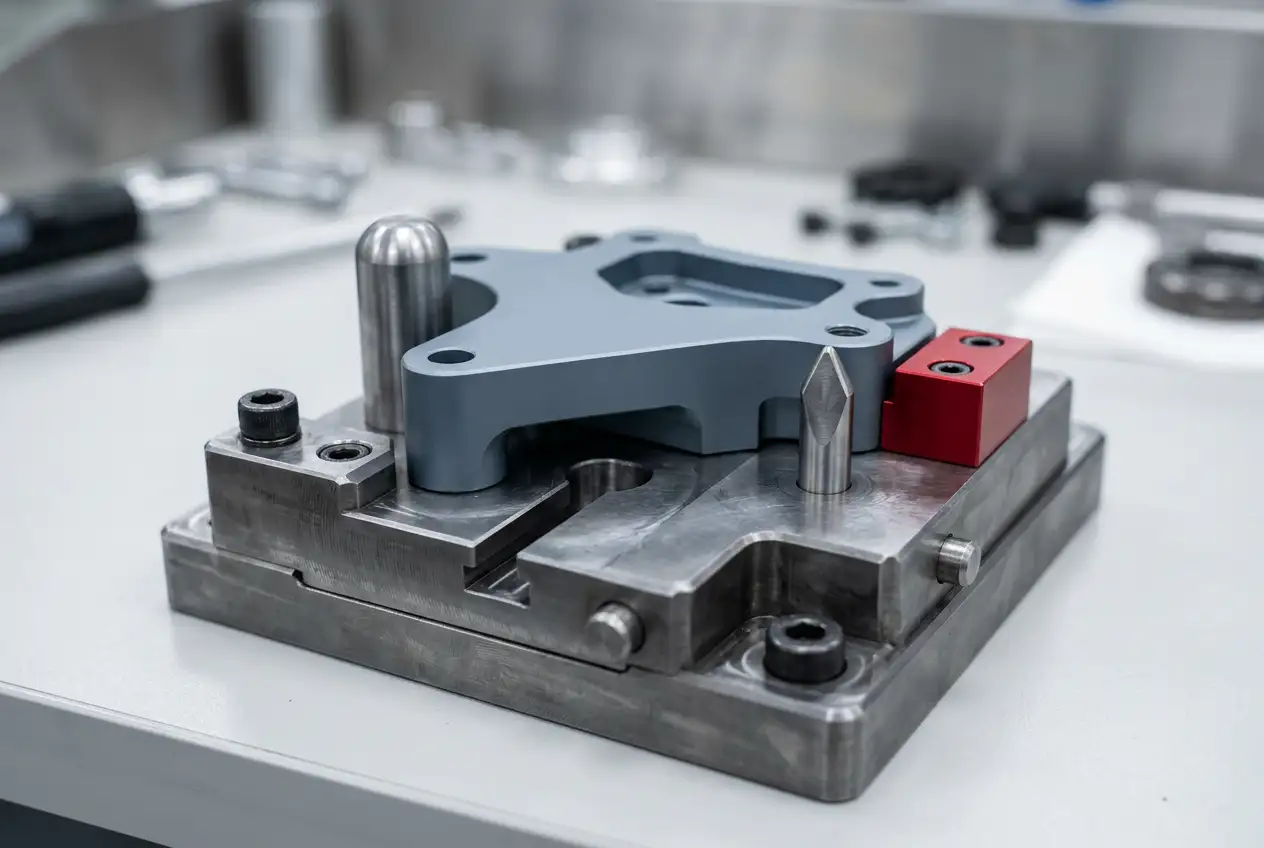
Buyer Shortcut
When you’re comparing suppliers, ask one question: which single change reduces the biggest cost bucket without adding risk? We’ll answer that quickly during DFM feedback—then quote the revised design.
FAQ: CNC Cost Optimization Decisions Engineers Ask About
Cost reduction works best when it is tied to function: set CTQs, loosen what you can, and choose processes that match your volume. These answers focus on the highest-leverage choices in CNC cost optimization without creating quality risk.
Frequently Asked Questions
What Usually Drives CNC Machining Cost The Most?
How Do I Decide Which Features Should Be CTQ?
When Does Tight Tolerance Actually Reduce Total Cost?
What Is The Fastest Geometry Change To Lower Machining Time?
How Do I Choose Between 3-Axis And 5-Axis For Cost?
How Should I Specify Surface Finish Without Overpaying?
Can I Reduce Cost By Changing Material?
What Information Helps Get The Most Accurate Low-Cost Plan Fast?
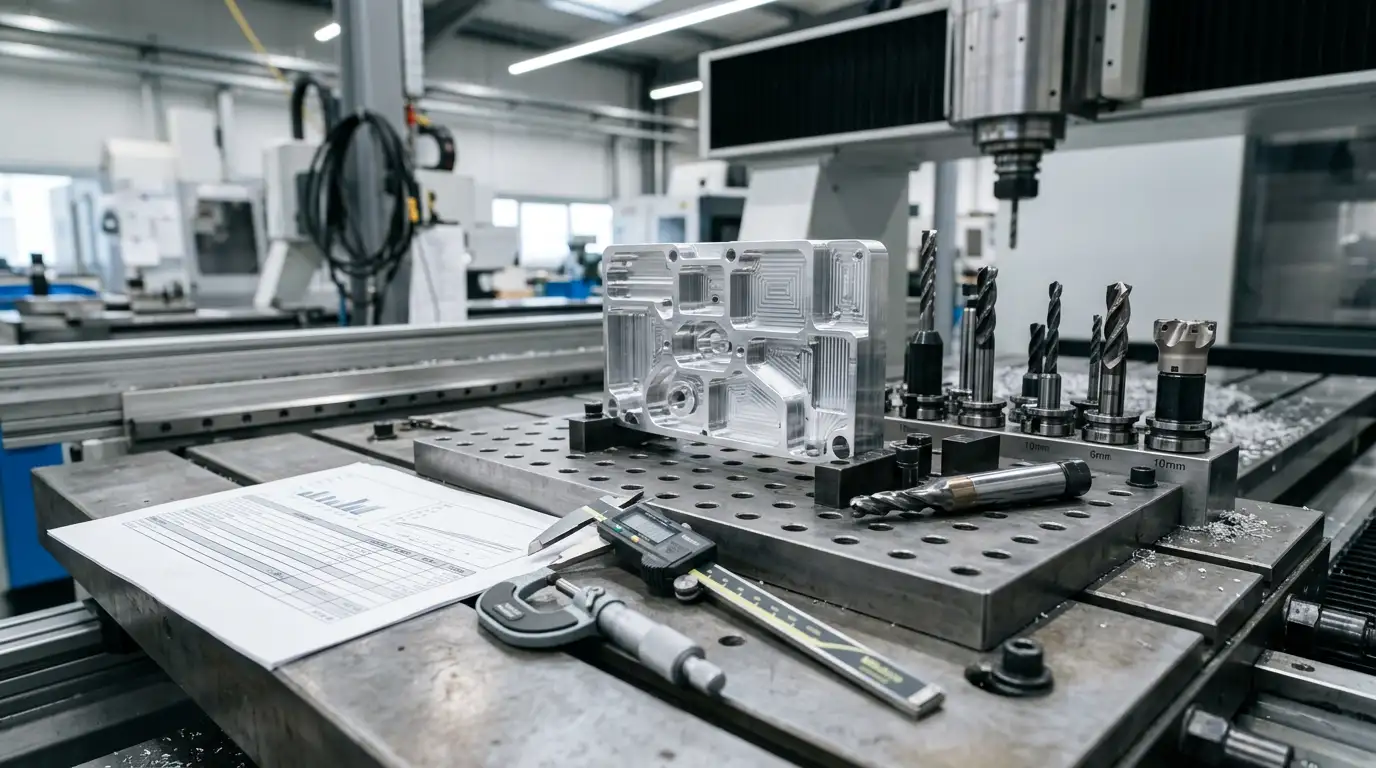
How To Use This FAQ
Skim the questions, then mark CTQs and tolerance targets on your drawing. That single step prevents cost inflation caused by uncertainty and over-control.
How Batnon Practices Cost Optimization
At Batnon, CNC cost optimization is not “cheaper at any price.” It is a repeatable engineering workflow: we identify the functional requirements that truly gate your part (CTQs, datums, finish and assembly interfaces), then reduce the biggest controllable cost bucket—material waste, cycle time, setups/NRE, or inspection effort—without introducing approval risk. That means practical DFM changes such as increasing internal radii, shortening deep pockets, consolidating orientations to minimize setups, and applying tight tolerances only where they protect function. The result is a quote you can trust, faster iterations, and lower total project cost across prototypes and repeat production.